
- HOME
-
Renown Power
Advanced Earthing Solutions
High performance lightning protection and earthing systems engineered for industrial safety.
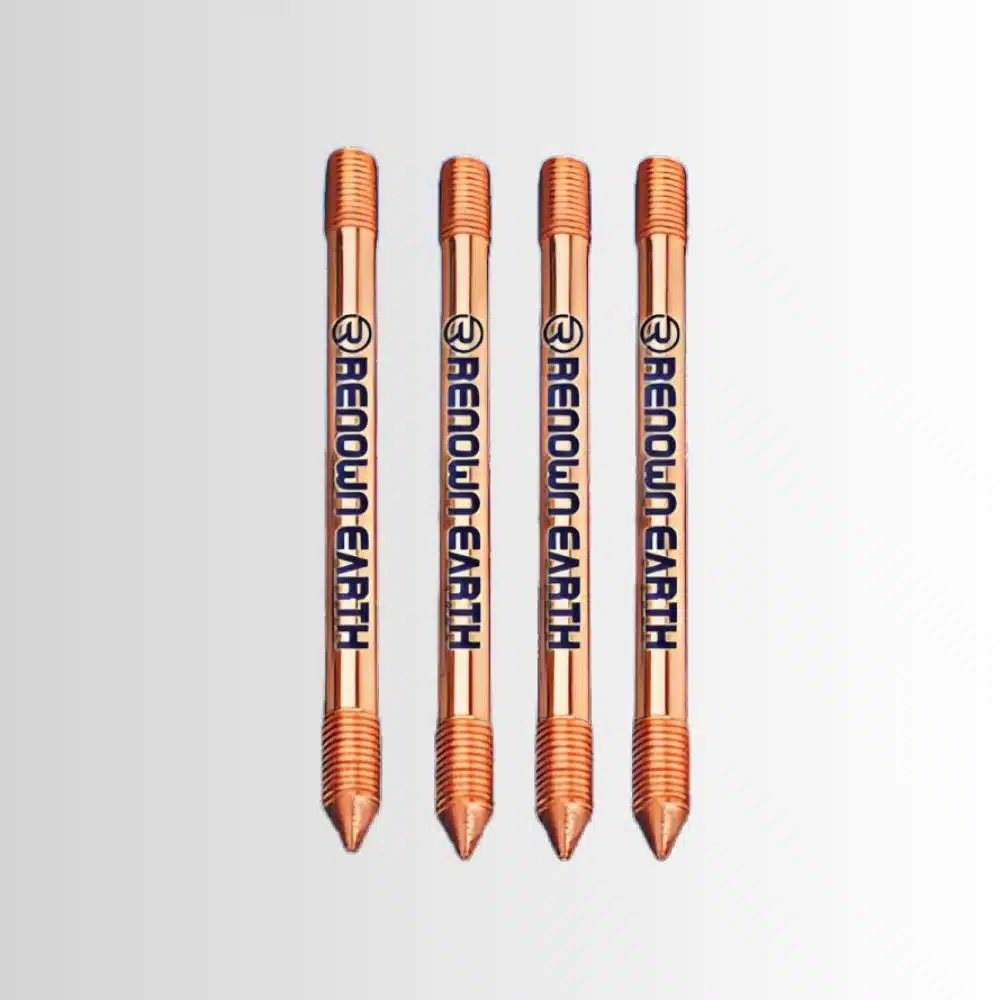
Earthing
Chemical earthing and grounding protection systems.

Lightning Arrester
Modern lightning protection for industrial facilities.
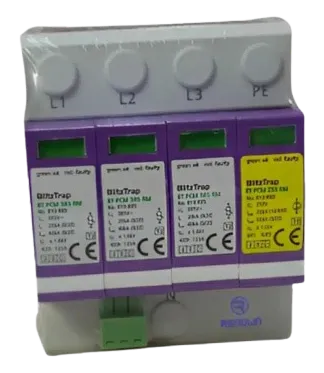
Surge Protection Device
Safeguard your building and electrical systems.
Contact UsNeed custom protection solutions?
Consult with our technical experts.
-
Our Presence
PAN India Operations
Strategic office locations for fast industrial support and technical consultation.
-
Renown Power
Building Safer Infrastructure
Trusted earthing and lightning protection company serving industries across India.
- Contact Us
- Blogs

Join Our Team
Be a part of a team that values innovation, growth, and excellence. We offer opportunities to learn, grow, and build a rewarding career.
Open Positions
Team work results in success or disaster. We love success. Join us and build something extraordinary together.
Electrical Engineer
Team Work Results In Success Or Disaster. We Love Success.

Electrical Engineer
Team Work Results In Success Or Disaster. We Love Success.

Designer
Team Work Results In Success Or Disaster. We Love Success.

Electrical Engineer
Team Work Results In Success Or Disaster. We Love Success.

Apply And Join Our Team
Lorem ipsum is simply dummy text of the printing and typesetting industry.
Got Questions? We've Got Answers
Find answers to common questions about earthing and grounding solutions.
What is Earthing?
Earthing (grounding) is the process of safely transferring electrical current into the ground. It provides a path for leakage or fault current, protecting electrical systems and ensuring safety in installations.
Why is earthing important?
Earthing helps prevent electric shocks, reduces the risk of fire due to leakage current, and ensures that electrical equipment operates safely by maintaining voltage at safe levels.
What materials are used for earthing?
The most commonly used materials are copper and galvanized iron (GI) due to their high conductivity and durability. Aluminum is sometimes used for above-ground bonding but is generally avoided as an earth electrode because of corrosion risks.
What happens if earthing is not done properly?
Improper earthing can lead to electric shocks, equipment damage, fire hazards, and failure of electrical systems due to uncontrolled fault currents.
What is a chemical earthing electrode?
A chemical earthing electrode is a modern grounding solution designed to maintain low soil resistivity. It ensures efficient current dissipation, high conductivity, and long-term performance with minimal maintenance.
What are the advantages of chemical earthing?
Chemical earthing offers high conductivity, corrosion resistance, long life, low maintenance, and quick installation. It is also a cost-effective and reliable safety solution.
Where are earthing systems used?
Earthing systems are widely used in petrochemical plants, CNG stations, transformers, lifts, data centers, telecom infrastructure, and broadcasting systems to ensure electrical safety.
How does earthing protect people from electric shock?
If a fault occurs and a metal part becomes live, earthing directs the current safely into the ground. This prevents the current from passing through a person who touches the equipment.