
Copper bonded rods are widely used in electrical earthing and grounding systems because they provide a reliable path for fault current to dissipate safely into the earth. However, selecting the right rod is not simply about choosing copper material. Copper bonded rod thickness is an important factor that can influence durability, corrosion resistance, mechanical strength, and long-term grounding performance.
For industries, commercial buildings, solar installations, power systems, and residential electrical applications, understanding what to check before purchasing a copper bonded rod can help ensure a dependable earthing system. This guide explains the key factors to consider when evaluating copper bonded rod thickness.
What Is a Copper Bonded Rod?
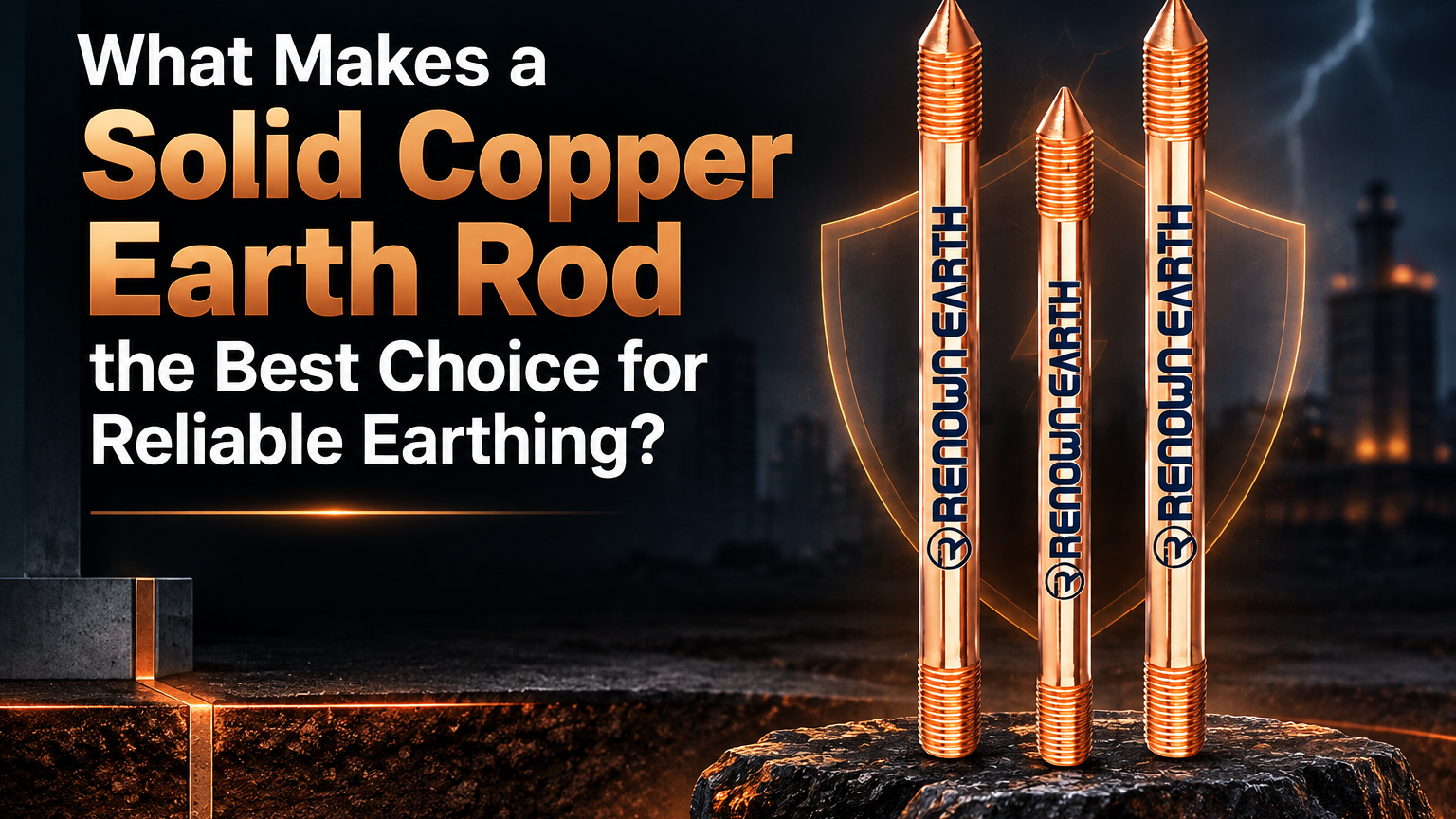
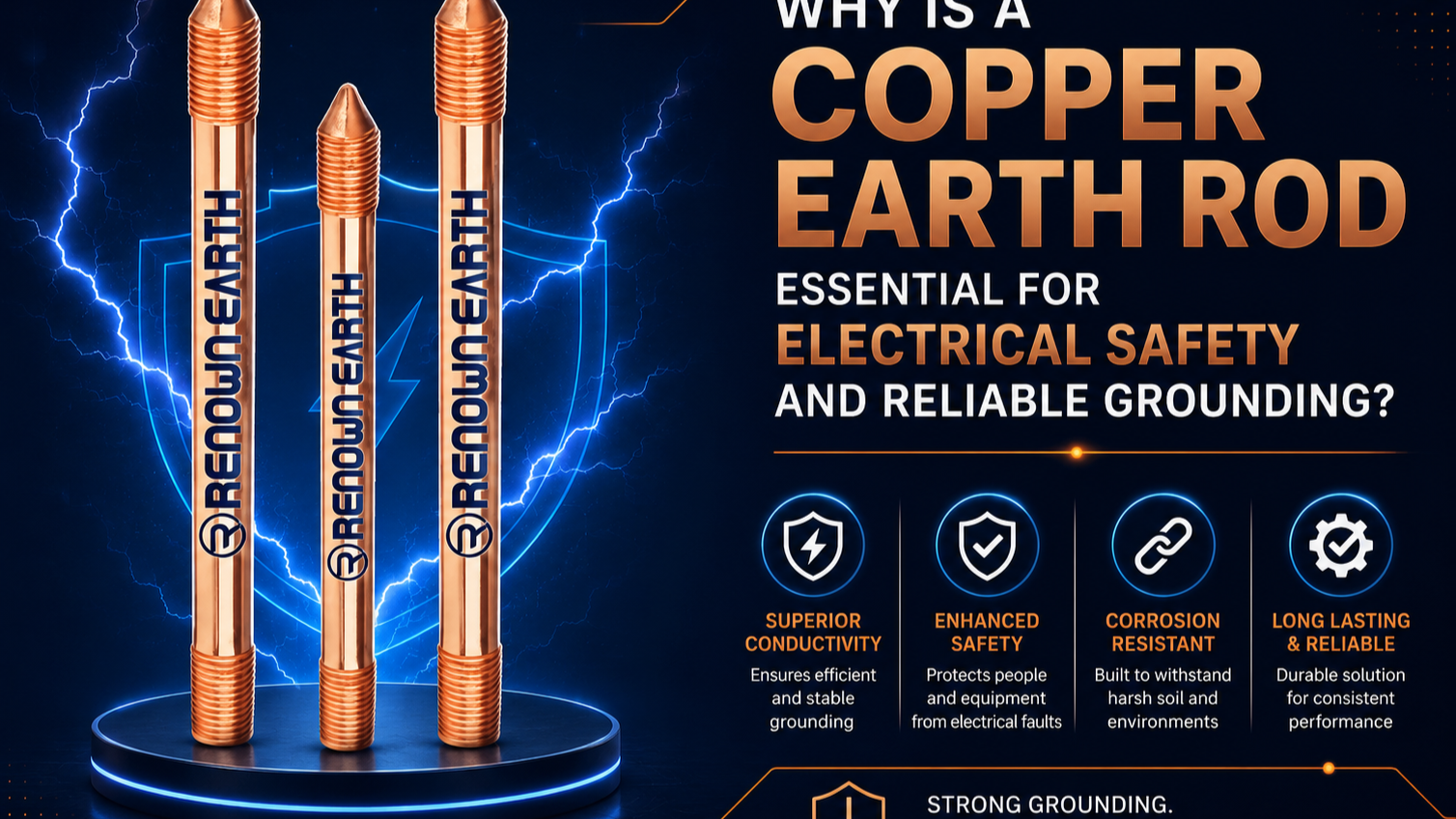
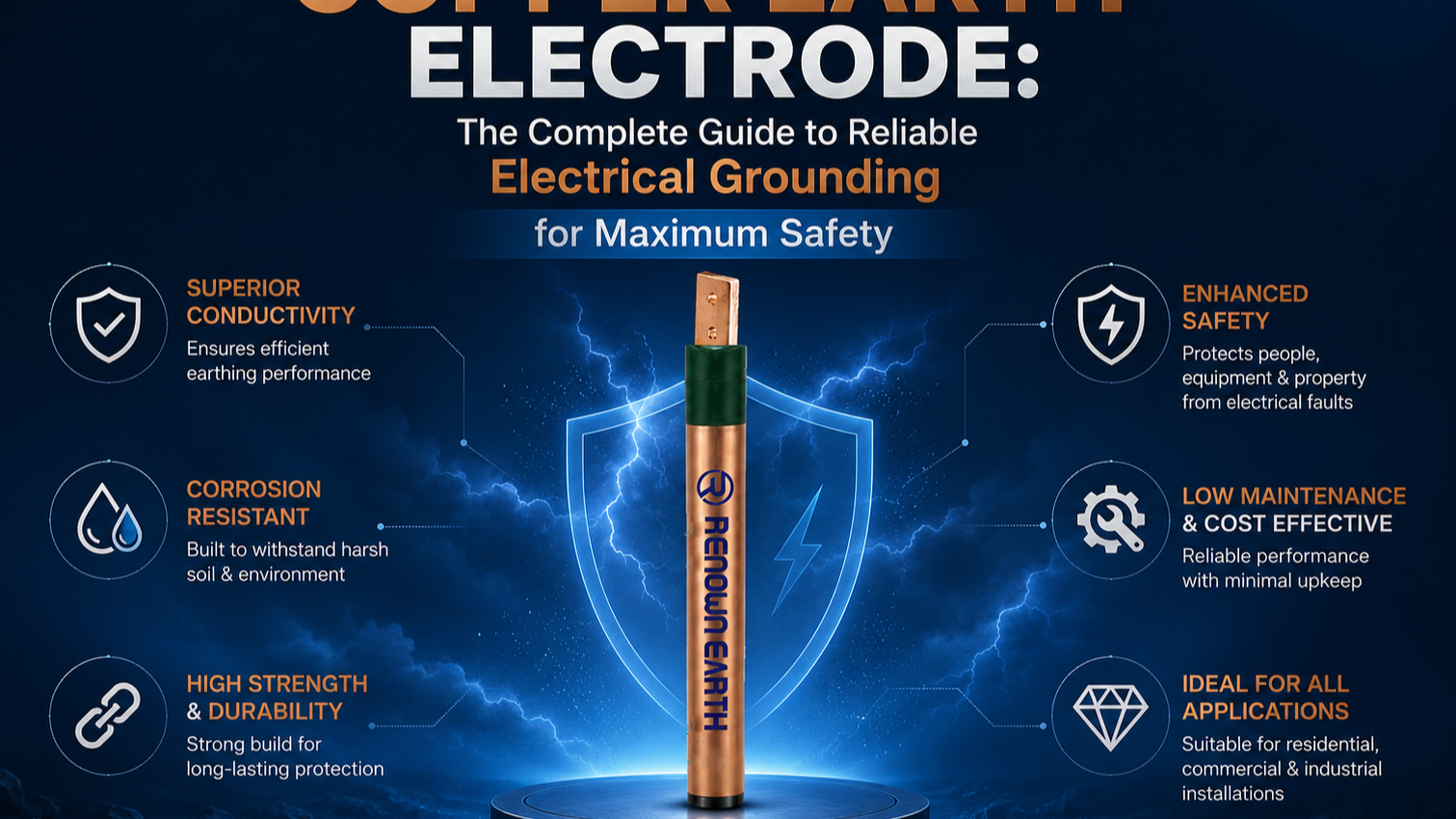
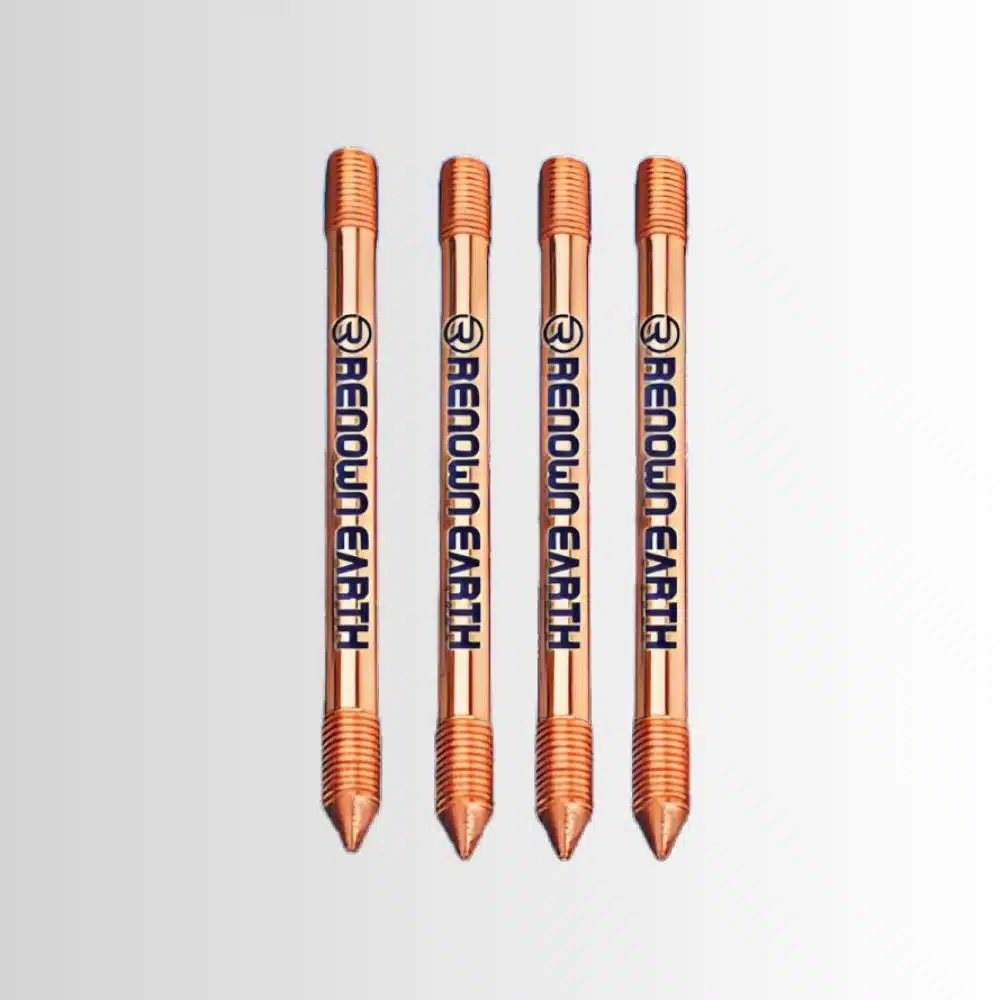
A copper bonded rod is an earthing electrode generally made with a strong steel core and a layer of copper bonded securely around it. The steel core provides mechanical strength, while the copper outer layer offers excellent electrical conductivity and resistance to corrosion.
Unlike ordinary steel rods, copper bonded rods are designed to provide better long-term performance in grounding applications. They can be driven into the soil while maintaining structural strength and a conductive copper surface.
The thickness of the copper layer is particularly important because it protects the core from environmental exposure and contributes to the rod's service life.
Why Does Copper Bonded Rod Thickness Matter?
The copper thickness should not be overlooked when selecting an earthing electrode. A properly manufactured copper bonded rod needs sufficient copper coverage to provide effective protection and durability.
A suitable copper layer can offer several advantages:
Better corrosion resistance
Longer service life
Reliable electrical conductivity
Improved protection of the steel core
Greater durability in different soil conditions
Better performance during installation and grounding
If the copper layer is too thin or poorly bonded, the rod may become more vulnerable to damage and corrosion, particularly in aggressive soil environments.
What Should You Check in Copper Bonded Rod Thickness?
When purchasing a copper bonded rod, several specifications should be evaluated rather than focusing only on the diameter of the rod.
1. Copper Coating Thickness
The first thing to check is the actual thickness of the copper coating. Copper bonded rods are available with different coating thicknesses depending on their design and application.
A thicker copper layer can provide enhanced protection against corrosion and mechanical wear. However, the correct specification should be selected according to the grounding system requirements, soil conditions, applicable standards, and manufacturer specifications.
Always ask the supplier for the specified copper coating thickness instead of assuming that every copper bonded rod has the same construction.
2. Overall Rod Diameter
Copper bonded rod thickness and overall rod diameter are related but should not be confused.
The overall diameter includes the steel core and copper layer. Common grounding rods are manufactured in different diameters to suit various applications.
A larger diameter may provide increased mechanical strength and surface area, but selection should be based on the complete grounding design rather than diameter alone.
3. Quality of Copper Bonding
The copper layer should be securely bonded to the steel core. Proper bonding is essential because the copper coating should remain firmly attached during transportation, installation, and long-term use.
Poor bonding can result in separation or damage to the copper layer. Therefore, buyers should consider manufacturing quality and testing procedures along with copper thickness.
4. Material Quality
The quality of both the copper and steel core matters. High-quality copper provides good electrical conductivity and corrosion resistance, while a strong steel core helps the rod withstand installation forces.
When comparing products, check the manufacturer's material specifications and technical documentation. A rod with a suitable copper thickness but poor-quality materials may not provide the expected service life.
5. Corrosion Resistance
Soil conditions can vary significantly. Moisture, chemicals, salts, and other environmental factors can accelerate corrosion.
This makes copper coating thickness especially important for installations in challenging environments. The selected copper bonded rod should be appropriate for the soil conditions where it will be installed.
For projects near industrial areas, coastal regions, or chemically aggressive soil, additional attention should be given to corrosion resistance and electrode specifications.
Copper Bonded Rod Thickness and Grounding Performance
The effectiveness of a grounding system depends on several factors, including soil resistivity, electrode length, electrode diameter, installation depth, number of electrodes, and the overall grounding design.
Copper thickness alone does not determine grounding resistance.
However, adequate copper coverage helps maintain a durable conductive surface over the life of the electrode. A high-quality copper bonded rod can therefore contribute to the reliability and longevity of the grounding system.
For this reason, engineers and contractors should evaluate the complete technical specification rather than choosing a rod based only on price.
Where Are Copper Bonded Rods Used?
Copper bonded rods are suitable for a wide range of electrical grounding applications, including:
Residential electrical systems
Commercial buildings
Industrial facilities
Telecommunications installations
Solar power systems
Electrical substations
Data centers
Lightning protection systems
Power distribution infrastructure
The required rod specifications can vary depending on the application. Large industrial or specialized installations may require detailed grounding calculations and compliance with applicable standards.
How to Select the Right Copper Bonded Rod
Before purchasing, consider the following checklist:
Copper coating: Verify the specified coating thickness.
Rod diameter: Select an appropriate overall diameter based on the grounding design.
Rod length: Choose a length suitable for the required installation depth and soil conditions.
Core strength: Ensure the steel core can withstand driving and installation forces.
Bonding quality: Confirm that the copper is securely bonded to the core.
Corrosion resistance: Consider local soil and environmental conditions.
Standards: Check whether the product meets the relevant industry or project requirements.
Manufacturer quality: Choose a reliable manufacturer with consistent production and quality-control practices.
Why Choose Renown Power for Earthing Solutions?
Renown Power focuses on electrical earthing and lightning protection solutions designed for different electrical and infrastructure requirements. When selecting products such as copper bonded rods, customers should look for dependable construction, suitable specifications, and consistent manufacturing quality.
For projects requiring copper bonded earthing products, it is important to discuss the application, soil conditions, required dimensions, and applicable technical requirements with the supplier before making a final selection.
A properly specified copper bonded rod can help create a durable grounding system while reducing concerns related to corrosion and long-term electrode performance.
Final Thoughts
Copper bonded rod thickness is an important specification to check when selecting an earthing electrode, but it should never be considered in isolation. Copper coating thickness, overall diameter, rod length, core strength, bonding quality, corrosion resistance, and application requirements all play a role in determining whether a grounding rod is suitable.
For reliable electrical grounding, always compare technical specifications and select a product appropriate for the installation environment. A properly manufactured copper bonded rod can provide a durable and conductive grounding path for residential, commercial, industrial, solar, and electrical infrastructure applications.
For reliable earthing solutions, explore Renown Power: https://www.renownpower.com/