

Electricity is an essential part of modern life, powering homes, commercial buildings, factories, offices, solar installations, and countless electrical systems. However, electrical energy can become dangerous when faults, leakage currents, or voltage surges occur. This raises an important question: Why is earthing necessary? Also, why is earthing important for electrical safety?
Earthing is a fundamental part of an electrical protection system. It provides a controlled path for unwanted electrical current to flow safely into the ground, helping reduce the risk of electric shock, equipment damage, and electrical hazards. A properly designed earthing system can also support the effective operation of protective devices during certain electrical faults.
For businesses, industries, residential properties, and infrastructure projects, choosing suitable earthing components such as copper earthing electrodes, copper bonded earthing rods, copper grounding rods, and GI earthing electrodes is an important part of developing a reliable grounding system.
What Is Earthing?
Earthing, also known as grounding in many technical contexts, is the process of connecting exposed conductive parts of an electrical installation to the earth through a suitable earthing system.
Electrical equipment can develop a fault when insulation becomes damaged or when an internal electrical component fails. Under such circumstances, an unwanted current may reach the metal body of equipment. Without an appropriate protective path, this can create a dangerous situation for anyone who comes into contact with the equipment.
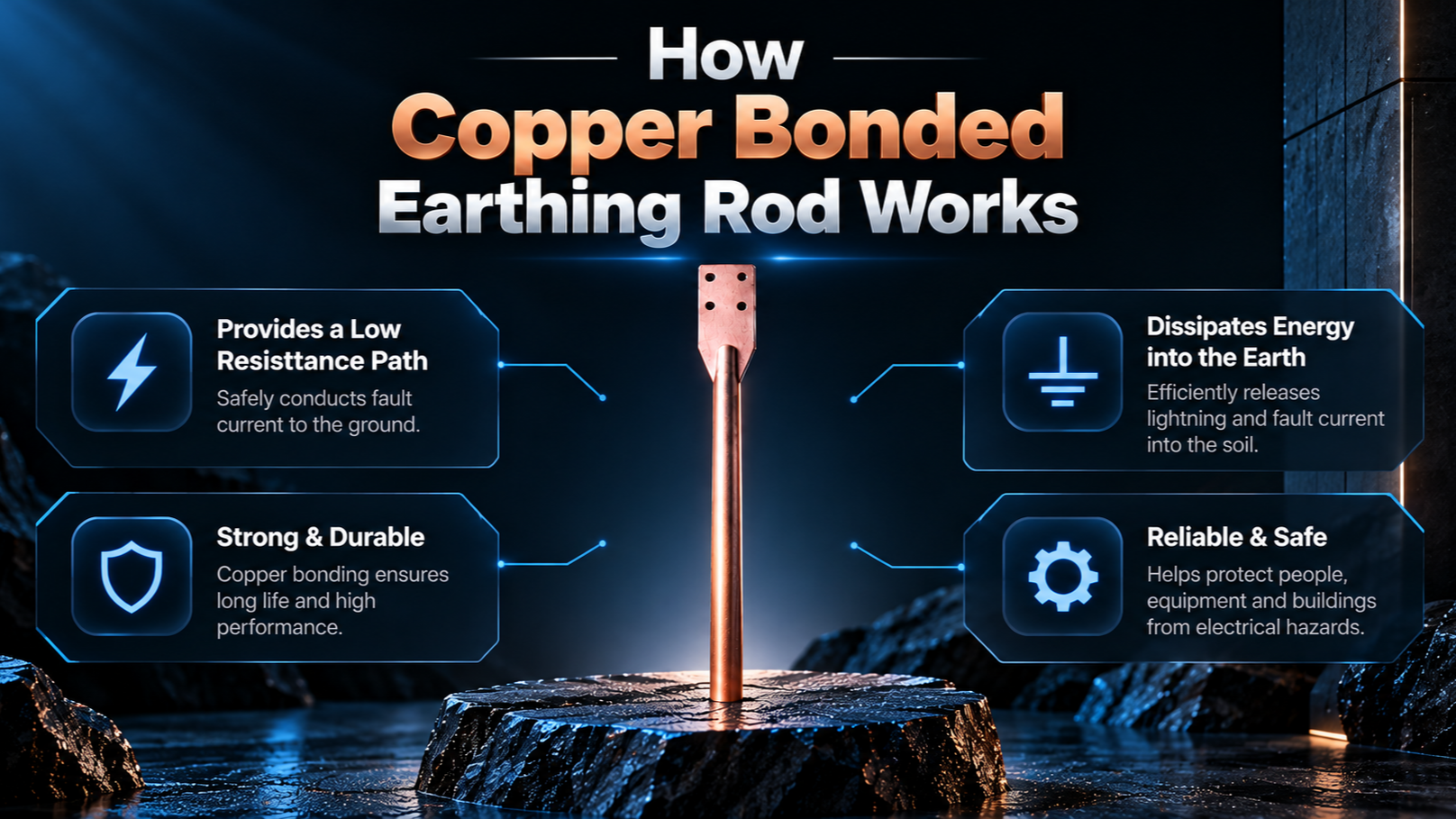
An earthing system provides a low-impedance path for fault current toward the ground. This helps protective devices such as circuit breakers and fuses respond to certain fault conditions, depending on the design of the electrical installation.
The purpose of earthing is therefore not simply to connect equipment to the soil. It is part of a complete electrical safety strategy that requires appropriate design, installation, testing, and maintenance.
Why Is Earthing Necessary?
The question “Why is earthing necessary?” can be answered by looking at the different safety and operational roles it can play in an electrical installation.
1. Helps Protect People From Electrical Shock
One of the primary purposes of protective earthing is to reduce the risk associated with exposed conductive surfaces becoming energized during an electrical fault.
If a fault causes current to reach the metal enclosure of electrical equipment, a properly designed earthing system can provide a path for the fault current. This can help protective equipment operate and disconnect the affected circuit.
Without suitable protection, a person touching the faulty equipment could potentially become part of the current path.
2. Helps Manage Fault Currents
Electrical faults can produce unwanted current that needs to be controlled quickly. Earthing provides a defined path for fault currents within the electrical protection system.
The effectiveness of this path depends on factors such as conductor size, connections, electrode characteristics, soil conditions, and the overall grounding design.
Therefore, simply installing an earth electrode does not automatically guarantee effective protection. The entire system needs to be appropriately designed and installed.
3. Helps Protect Electrical Equipment
Electrical equipment can be sensitive to abnormal electrical conditions. Faults, transients, and surges can affect equipment such as control panels, computers, industrial machinery, communication systems, and other electronic devices.
A properly engineered grounding system can contribute to managing certain unwanted electrical energy and providing an appropriate reference and fault-current path.
This makes grounding an important consideration when designing electrical infrastructure for homes, offices, factories, data facilities, and commercial buildings.
4. Supports the Operation of Protective Devices
Another important answer to “Why is earthing important?” is its relationship with protective devices.
Circuit breakers, fuses, and other protection equipment are designed to respond to particular fault conditions. An appropriately designed earthing system can help create the electrical conditions required for protective devices to operate during certain faults.
This can help isolate faulty circuits and limit the duration of hazardous conditions.
Why Is Earthing Important for Buildings?
Every building has different electrical requirements. Residential properties may have relatively straightforward electrical systems, while commercial and industrial facilities can contain complex machinery, distribution systems, control equipment, and high electrical loads.
In all cases, electrical safety should be considered during system design and installation.
Earthing can help provide protection for exposed conductive parts and support the safe operation of electrical systems. Proper bonding and grounding practices are also important because different conductive components within an installation may need to remain at appropriate electrical potential relationships.
A properly planned earthing system should therefore be considered during the initial electrical design rather than treated as an optional addition.
Why Is Earthing Important for Industrial Applications?
Industrial facilities often use large electrical machines, motors, control panels, transformers, automation systems, and other equipment. These installations can involve complex electrical distribution networks and significant fault-current levels.
For such environments, effective grounding and bonding are essential considerations.
Industrial earthing systems can help provide fault-current paths, support electrical protection, and reduce risks associated with exposed conductive equipment. The exact earthing arrangement should be determined according to the applicable electrical standards, site conditions, system voltage, equipment characteristics, and engineering requirements.
Regular inspection and testing are also important because connections and components can deteriorate over time.
What Role Does an Earthing Electrode Play?
An earthing electrode is a conductive component installed in contact with the earth to establish an electrical connection between the grounding system and the soil.
Different types of electrodes can be used depending on the application and design requirements. Common examples include:
Copper earthing electrodes
Copper bonded earthing rods
Copper grounding rods
Solid copper electrodes
GI earthing electrodes
Other approved grounding electrode systems
The choice of electrode depends on factors such as soil conditions, corrosion considerations, required performance, installation method, applicable standards, and project specifications.
For this reason, selecting an earthing electrode should be based on engineering requirements rather than simply choosing a product because of its material or appearance.
Copper Earthing Electrodes and Their Applications
Copper is widely used in electrical grounding applications because of its electrical conductivity and corrosion-related properties.
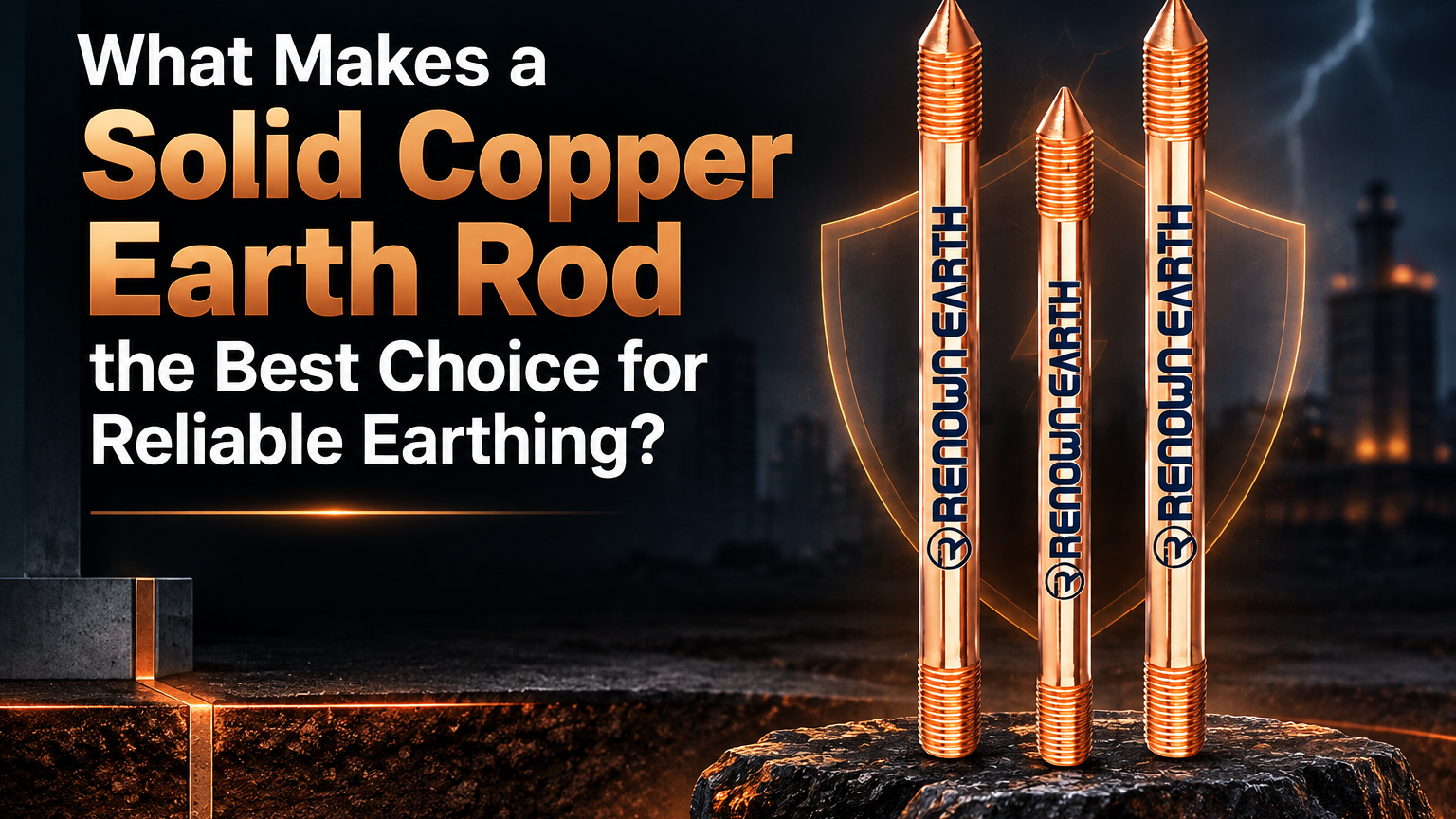
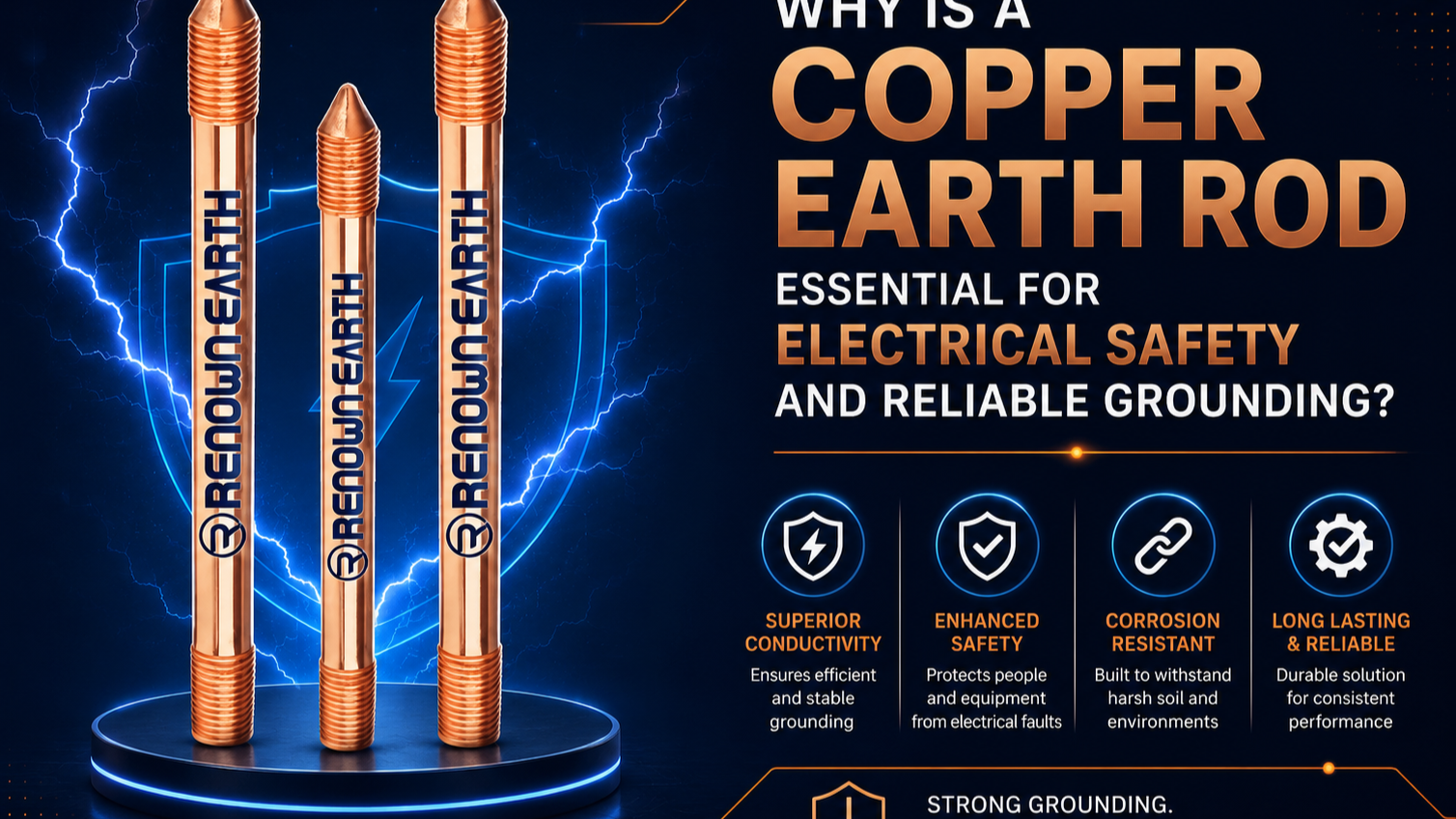
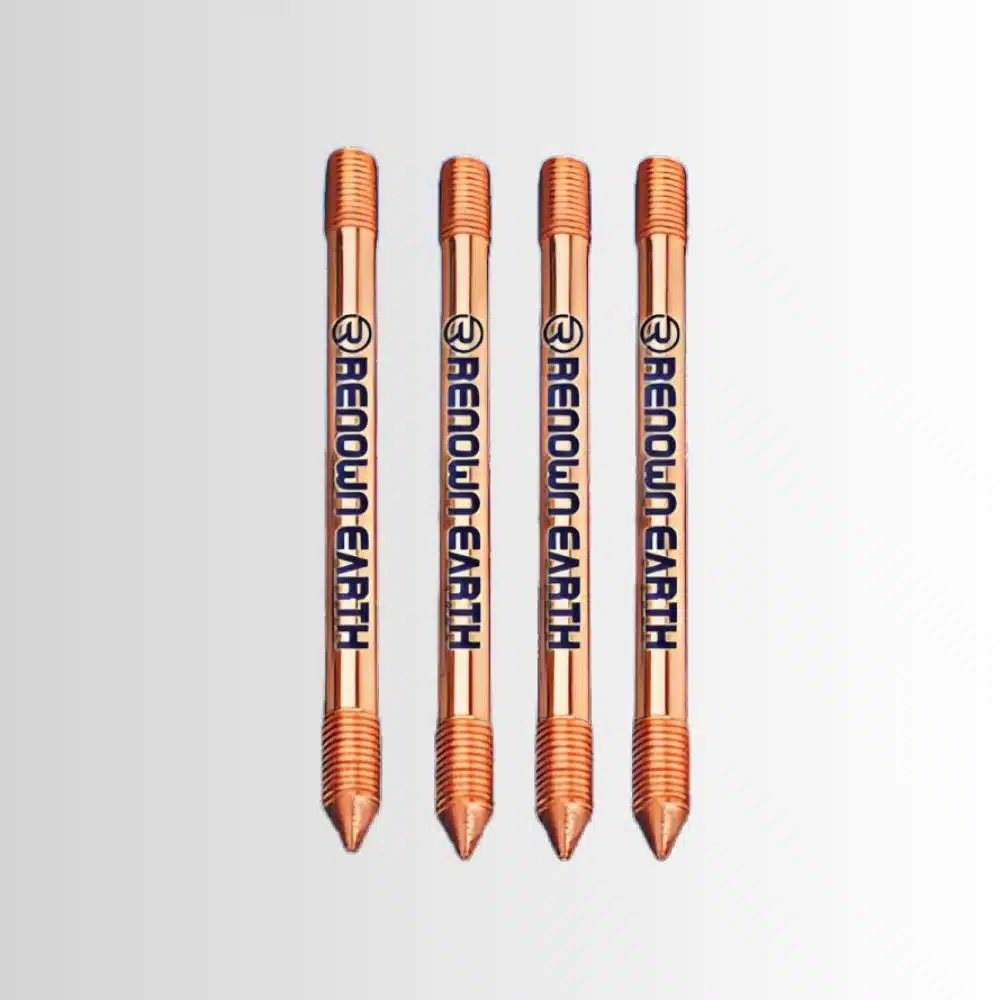
A copper earthing electrode can be used as part of a grounding system where copper is specified or appropriate for the application. Copper-based electrodes can be found in residential, commercial, industrial, telecommunications, renewable-energy, and infrastructure projects.
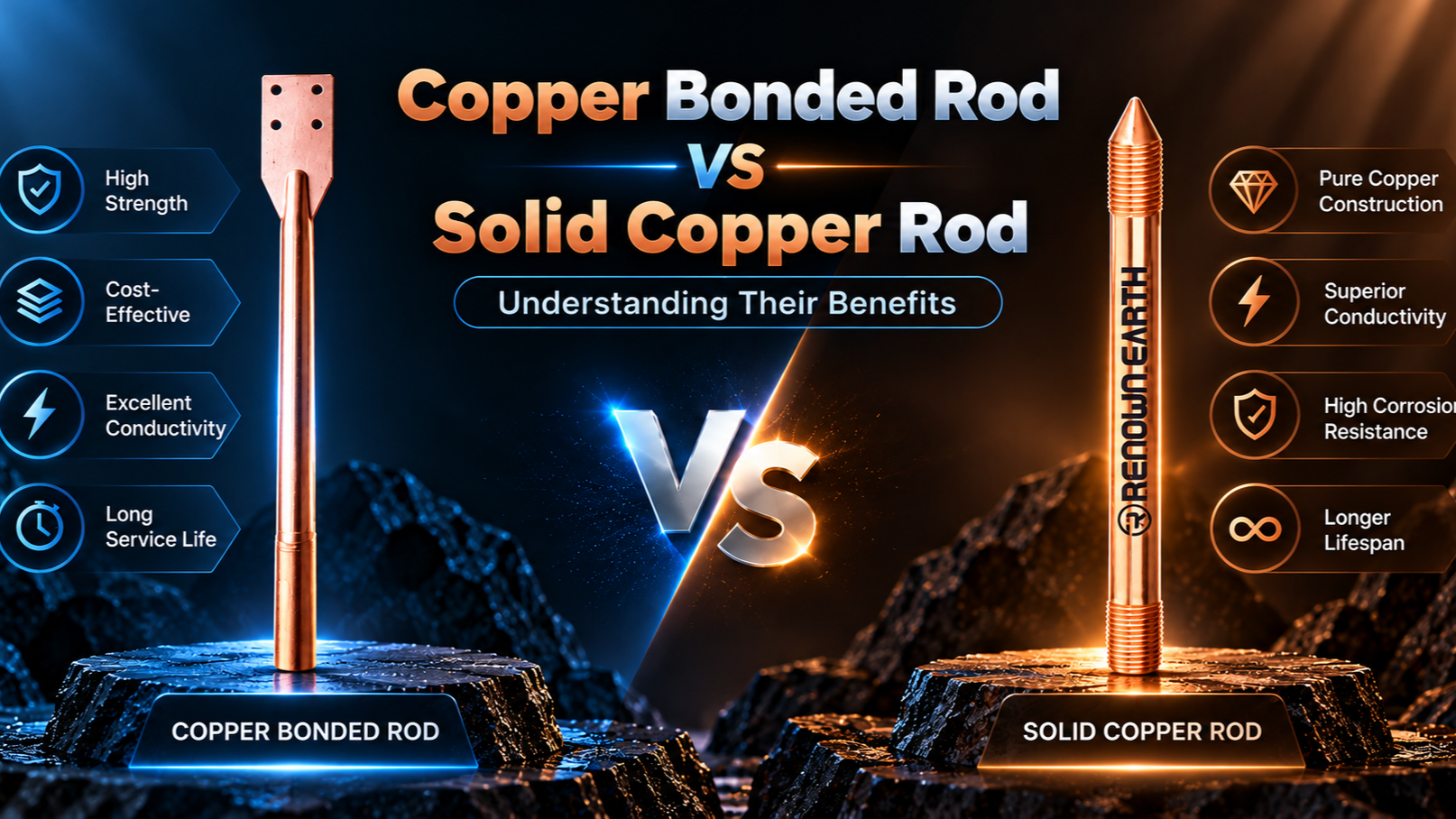
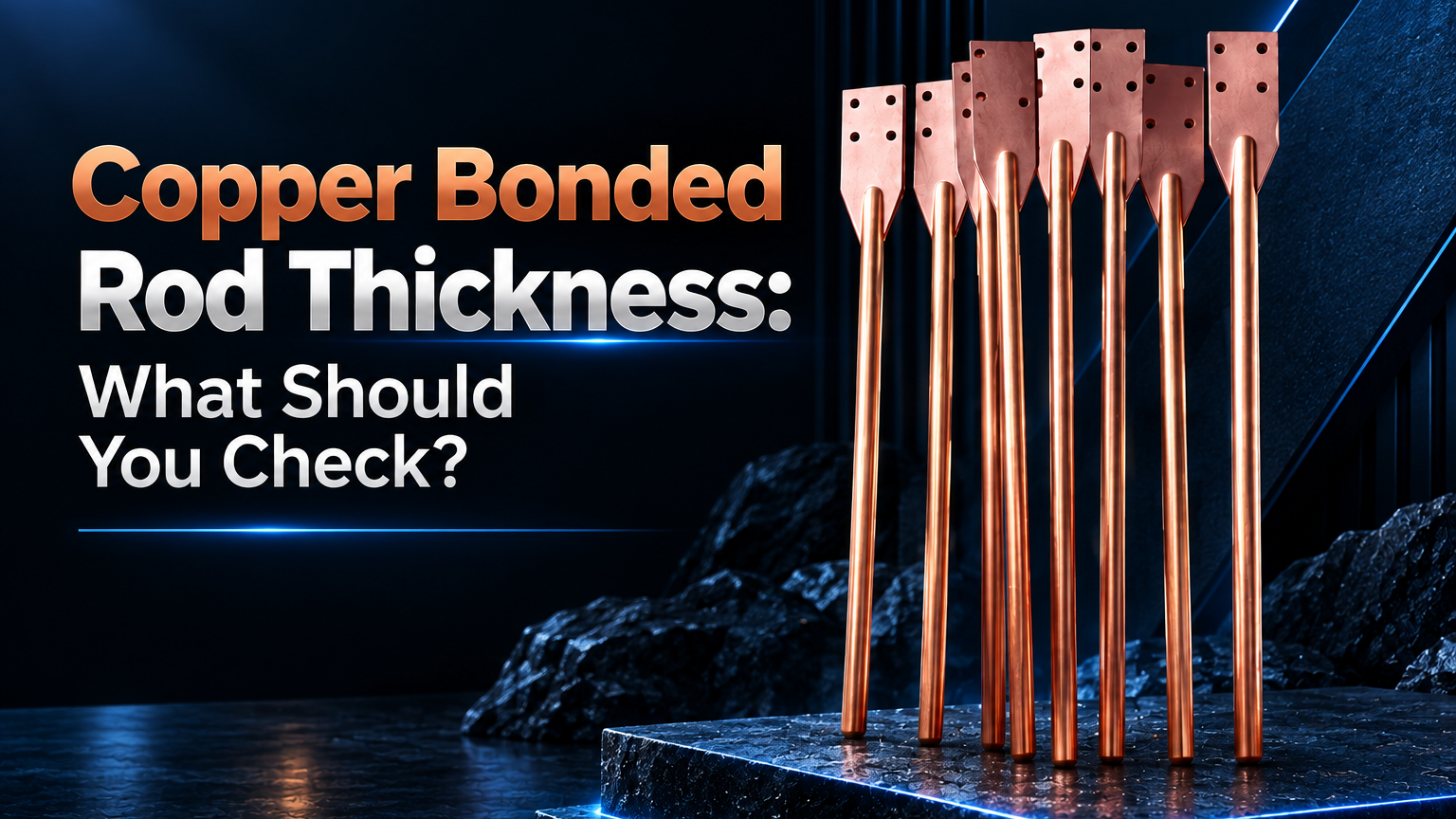
Copper bonded rods are another commonly used grounding solution. These products typically combine a steel core with a copper layer, providing mechanical strength along with a conductive and corrosion-resistant outer surface.
The appropriate electrode type should always be selected according to the electrical design, soil characteristics, installation requirements, and relevant standards.
Is Earthing Important for Solar Power Systems?
Solar power systems include electrical equipment that requires appropriate grounding and protection.
Solar installations may contain photovoltaic modules, mounting structures, inverters, cables, distribution equipment, and other electrical components. Depending on the system design, grounding and bonding are used to address electrical safety and fault conditions.
Solar installations can also be exposed to outdoor environmental conditions, making protection against electrical faults and lightning-related events an important consideration.
A properly designed earthing system can form part of the broader electrical protection strategy for a solar installation.
Earthing and Lightning Protection
Earthing also plays an important role in lightning protection systems.
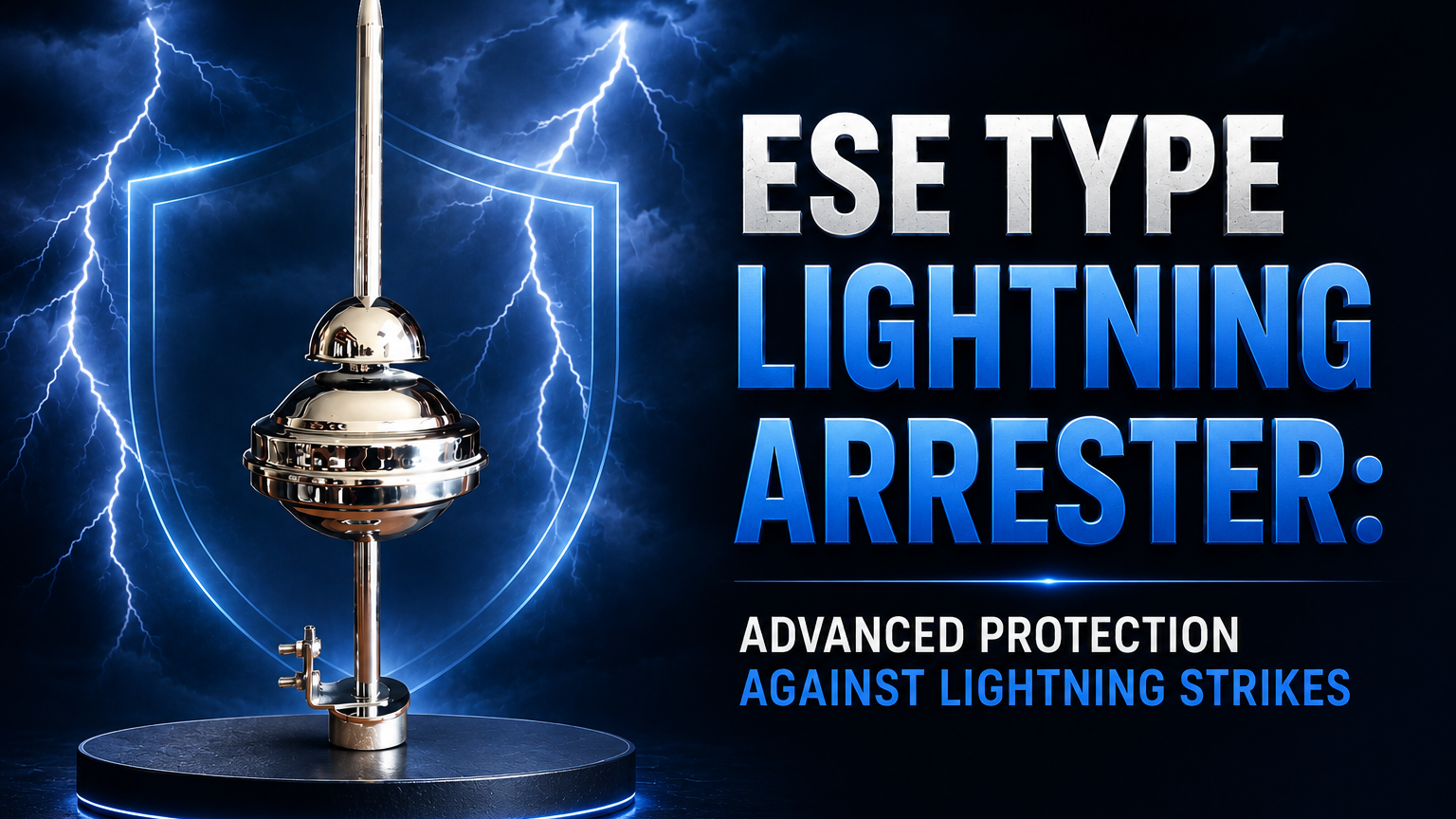
Lightning protection systems are designed to provide controlled paths for lightning currents. These systems can include air terminals, down conductors, bonding arrangements, and earth termination systems.
A lightning protection system should be designed as a complete system rather than relying on a single earthing electrode.
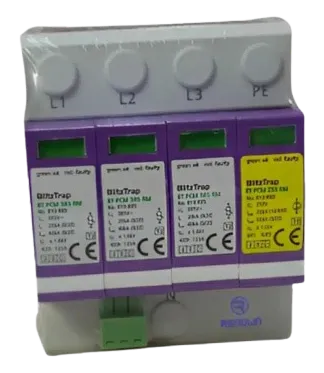
For buildings and infrastructure exposed to lightning risk, appropriate coordination between lightning protection, electrical grounding, surge protection, and bonding systems can be important.
Renown Power provides products related to earthing and lightning protection, including earthing electrodes and lightning protection solutions for different applications.
What Happens Without Proper Earthing?
Understanding what can happen when earthing is inadequate helps explain why earthing is important.
Poor or improperly designed earthing may contribute to:
Increased risk of electric shock
Improper fault-current paths
Delayed or ineffective operation of protective devices
Damage to electrical equipment
Potentially dangerous touch voltages
Increased vulnerability to certain electrical disturbances
Problems with electrical system reliability
However, earthing alone cannot eliminate every electrical hazard. Electrical installations require multiple protective measures, including suitable insulation, overcurrent protection, residual-current protection where applicable, bonding, surge protection, and appropriate maintenance.
How to Maintain an Earthing System
Installing an earthing system is only the first step. Regular inspection and maintenance can help ensure that the system continues to perform as intended.
Important maintenance considerations may include:
Inspect Connections
Earthing conductors and connections should be inspected for signs of corrosion, looseness, mechanical damage, or deterioration.
Test the Earthing System
Appropriate testing should be performed using suitable methods and equipment. Testing requirements vary depending on the installation and applicable standards.
Check the Electrode
The condition of the grounding electrode and associated components should be assessed, particularly in environments where corrosion or mechanical damage may occur.
Monitor Changes at the Site
Construction, landscaping, soil changes, equipment additions, and electrical system modifications can affect grounding arrangements. Any significant changes should be reviewed by qualified professionals.
How to Choose the Right Earthing Solution?
Selecting an earthing solution requires consideration of several factors.
Soil conditions: Soil resistivity and moisture can influence grounding performance.
Material: Copper, copper-bonded, galvanized steel, and other electrode materials may be suitable for different applications.
Corrosion environment: The surrounding environment should be considered when selecting materials and components.
Mechanical requirements: The electrode needs to withstand installation conditions and remain suitable for the expected service environment.
Electrical requirements: The grounding system should be designed according to the electrical installation and applicable engineering standards.
Standards and regulations: Products and installation practices should comply with relevant local regulations and applicable standards.
Professional electrical engineers or qualified installers should determine the appropriate system for a specific project.
Why Choose Renown Power for Earthing Solutions?
Renown Power focuses on electrical earthing and lightning protection solutions for applications requiring dependable grounding components.
Its product range includes solutions associated with copper bonded earthing, copper electrodes, GI earthing products, and lightning protection applications. By offering different types of grounding products, Renown Power can support various project requirements.
When selecting an earthing product, however, buyers should consider technical specifications, application requirements, installation conditions, and applicable standards rather than selecting solely on brand or material.
Conclusion: Why Is Earthing Necessary?
So, why is earthing necessary? Earthing is an important part of electrical safety because it can provide a controlled path for fault currents and help support the operation of protective devices. It can also contribute to the protection of people, electrical equipment, buildings, and infrastructure when incorporated into a properly designed electrical system.
From homes and offices to industrial facilities and solar installations, appropriate grounding should be considered an essential part of electrical system design.
Choosing the right earthing electrode, conductor, bonding arrangement, and related protection equipment requires careful consideration of site conditions and technical requirements. Regular inspection and testing are equally important for maintaining system performance.
For reliable earthing and lightning protection products, Renown Power offers a range of solutions designed for different electrical and infrastructure applications. A properly planned grounding system, combined with suitable protection measures and professional installation, can contribute to a safer and more reliable electrical environment.
Frequently Asked Questions
1. Why is earthing necessary in an electrical system?
Earthing provides a controlled path for certain fault currents and helps support the operation of protective devices. It is an important part of an overall electrical safety system.
2. Why is earthing important for electrical equipment?
Earthing can help reduce risks associated with exposed conductive parts becoming energized during faults and can support the protection of electrical equipment under abnormal conditions.
3. Which materials are commonly used for earthing electrodes?
Common options include copper, copper-bonded steel, and galvanized steel. The appropriate material depends on the electrical design, soil conditions, corrosion environment, applicable standards, and project requirements.
4. Is earthing required for solar power systems?
Solar installations require appropriate grounding and bonding according to their design and applicable electrical requirements. A qualified professional should determine the appropriate grounding arrangement for the specific solar system.
5. How often should an earthing system be tested?
Testing frequency depends on the type of installation, environmental conditions, applicable regulations, and relevant standards. Regular inspection and testing by qualified professionals can help identify deterioration or connection problems.