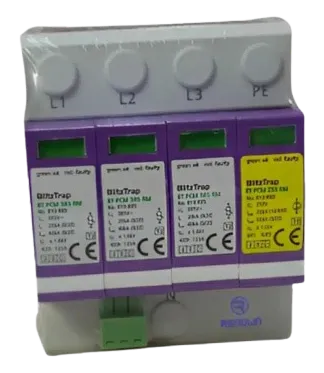

Lightning is a powerful natural phenomenon that can cause serious damage to buildings, electrical equipment, industrial facilities, and power systems. A single lightning strike can lead to electrical surges, equipment failure, fire hazards, and unexpected business interruptions. This is why a suitable lightning arrester and a properly designed lightning protection system are important for residential, commercial, and industrial properties.
As technology becomes increasingly important in everyday life, protecting electrical infrastructure is essential. Businesses rely on machinery, computers, communication equipment, and automated systems that may be vulnerable to lightning-related surges. Installing suitable protection equipment can help reduce these risks and support the reliable operation of electrical installations.
Renown Power provides earthing and lightning protection solutions for different applications. Understanding the purpose, benefits, and selection of lightning protection equipment can help property owners, contractors, and electrical professionals make informed decisions.
What Is a Lightning Arrester?
A lightning arrester is a protective device used to help protect electrical equipment against transient overvoltages caused by lightning and other electrical disturbances. In power systems, a surge arrester limits excessive voltage and provides a path for surge current, helping reduce the stress placed on connected equipment.
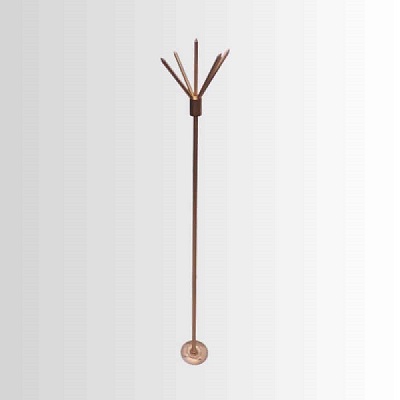
A lightning arrester should not be confused with a lightning rod or air terminal. A lightning rod is part of a structural lightning protection system designed to intercept lightning, while a surge arrester protects electrical equipment from excessive transient voltage. Both may be necessary, depending on the installation and its risk assessment.
A complete lightning protection arrangement may include air terminals, down conductors, bonding components, earthing electrodes, and surge protection devices. These components serve different purposes and should be selected as part of a coordinated protection design.
Why Is a Lightning Arrester Important?
Lightning-related electrical surges can damage equipment, disrupt operations, and create expensive maintenance problems. A suitable lightning arrester helps reduce the impact of transient overvoltages on electrical systems.
1. Protection for Electrical Equipment
Electrical equipment such as transformers, distribution panels, industrial machinery, computers, and control systems can be sensitive to voltage surges. Excessive transient voltage may damage components, interrupt normal operation, or shorten equipment life.
A correctly selected surge arrester helps limit transient overvoltages and reduce the risk of damage. This is particularly important in facilities that depend on continuous electrical operation.
2. Improved Safety for Buildings
Buildings may be exposed to lightning risks depending on their location, height, construction, and surrounding environment. A properly designed structural lightning protection system can help manage lightning current through a planned conductive path toward the earthing system.
Appropriate protection measures can reduce certain lightning-related risks, although no system can eliminate every hazard. Professional assessment and compliance with applicable standards are essential.
3. Reduced Operational Downtime
Manufacturing units, commercial buildings, offices, warehouses, and data centres rely on dependable electrical infrastructure. Equipment damage caused by lightning-related surges can interrupt business activities and lead to repair costs.
Installing appropriate surge protection and maintaining a coordinated lightning protection system can help improve electrical resilience and reduce the likelihood of avoidable disruptions.
4. Protection for Sensitive Electronic Devices
Modern buildings contain sensitive electronic equipment, including networking devices, communication systems, security cameras, computers, and automation controllers. These devices may be affected by surges entering through power lines or connected communication circuits.
Suitable surge protection, bonding, and earthing arrangements can help reduce exposure to these electrical disturbances.
5. Support for Solar Power Systems
Solar installations contain panels, inverters, monitoring devices, and electrical connections that may be exposed to lightning-related surges. Damage to these components can affect energy generation and increase repair expenses.
An appropriate lightning risk assessment can determine whether external lightning protection, DC and AC surge protection, or additional measures are required. Equipment selection should follow the installation design and relevant standards.
How Does a Lightning Arrester Work?
The working principle depends on the type of protective device and its intended application.
In an electrical power system, a surge arrester remains in a high-impedance state under normal operating conditions. When a transient overvoltage occurs, the device becomes conductive enough to divert surge current and limit the voltage appearing across protected equipment. After the transient passes, it returns to its normal operating state.
A structural lightning protection system operates differently. Air terminals, down conductors, bonding components, and earthing electrodes work together to provide a designed path for lightning current. This helps manage the current and reduce the risk of uncontrolled electrical discharge through the structure.
It is important to recognise that a lightning arrester is only one component of an effective protection strategy. Proper equipment selection, installation, bonding, earthing, and maintenance all contribute to system performance.
What Are the Main Types of Lightning Protection Solutions?
Different electrical installations require different forms of lightning protection. The correct solution depends on the equipment being protected, site conditions, and applicable standards.
1. Surge Arresters
Surge arresters are commonly used in electrical power systems to limit transient overvoltages. They may be installed at suitable points in distribution networks, substations, industrial installations, and other electrical systems.
The appropriate rating and type depend on the system voltage, exposure to surges, equipment characteristics, and design requirements.
2. Conventional Lightning Protection Systems
A conventional structural lightning protection system generally includes air terminals, down conductors, bonding, and an earthing arrangement. These components work together to manage lightning current through a planned path.
Such systems may be considered for commercial buildings, factories, warehouses, residential properties, and infrastructure projects after an appropriate risk assessment.
3. ESE Lightning Protection Systems
Early Streamer Emission (ESE) lightning protection systems use specialised air terminals designed according to a particular lightning protection methodology. Their suitability should be evaluated against project requirements, applicable regulations, and relevant technical standards.
Selection should be based on a professional assessment rather than assumptions about the size of the area protected.
4. Earthing and Grounding Components
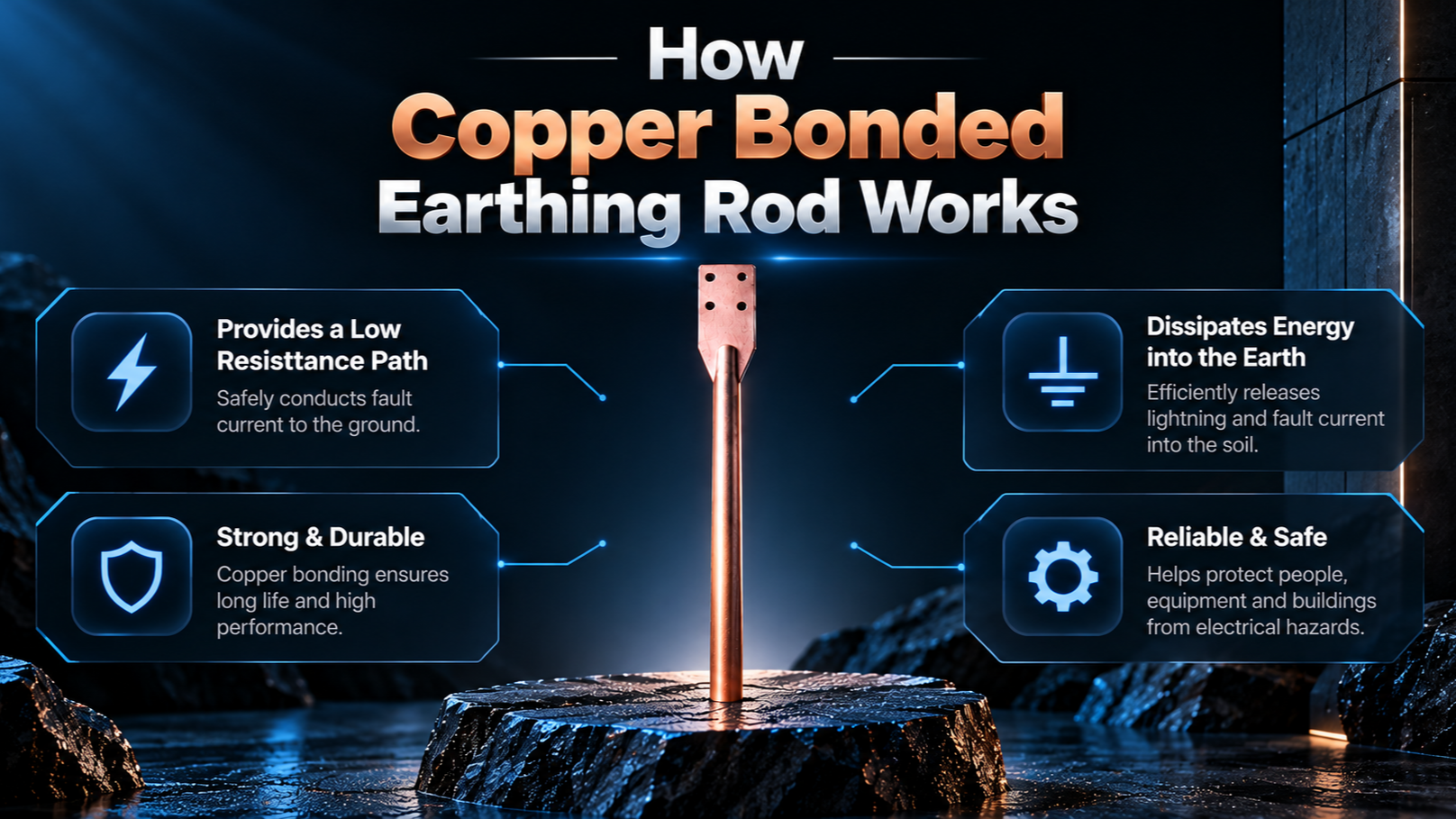
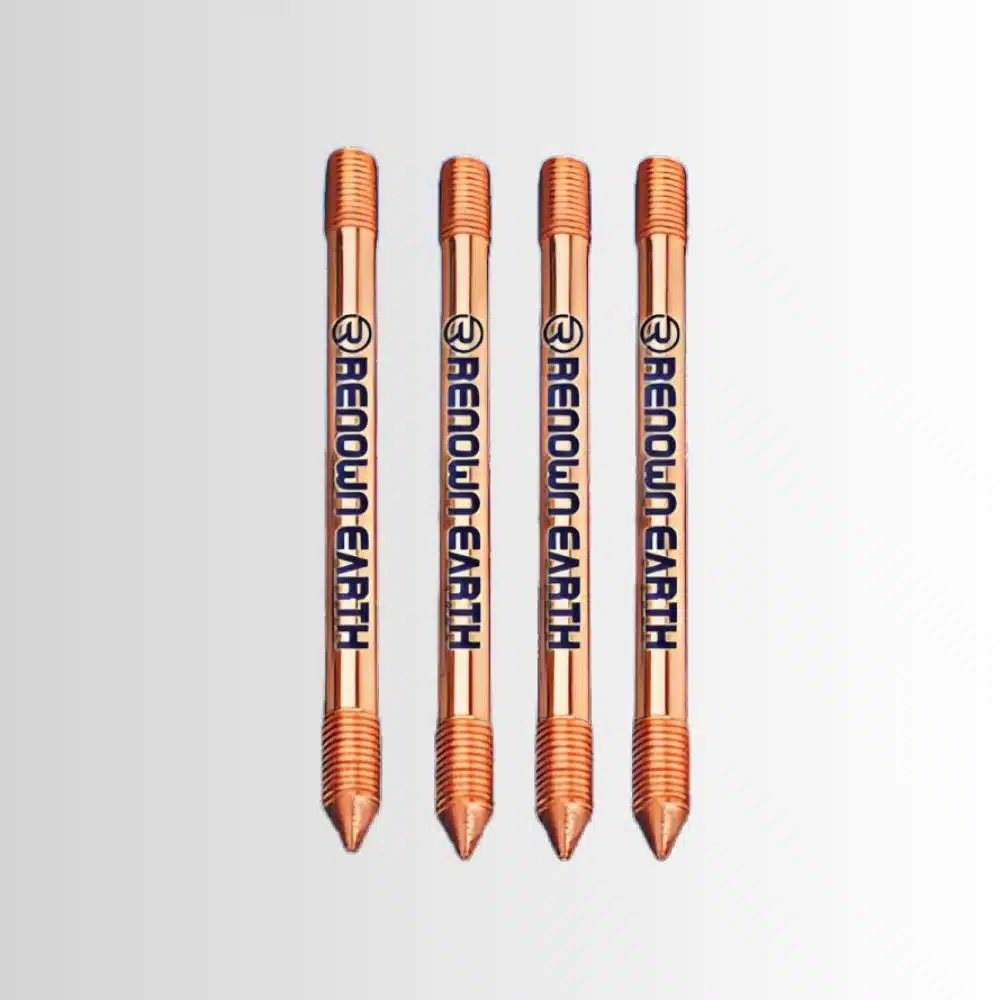
Earthing electrodes and related components form an important part of many lightning protection arrangements. They help establish the required connection between the protection system and the earth.
The design should consider soil conditions, electrode arrangement, corrosion resistance, bonding, and the requirements of the installation. A suitable earthing system must be designed and tested appropriately.
Where Are Lightning Arresters Used?
Lightning protection equipment is used across a wide range of residential, commercial, industrial, and infrastructure applications.
Residential Buildings: Houses and apartment buildings may require suitable protection depending on their exposure, electrical installations, and lightning risk.
Industrial Facilities: Factories and manufacturing plants often use sensitive machinery, automated controls, and electrical distribution systems that need protection against transient overvoltages.
Commercial Buildings: Offices, shopping centres, hotels, and warehouses may benefit from coordinated lightning and surge protection measures.
Power Distribution Systems: Surge arresters help protect transformers, electrical equipment, and other assets from excessive transient voltage.
Solar Power Installations: Appropriate protection can help reduce lightning-related risks to solar panels, inverters, and associated electrical equipment.
Telecommunication Facilities: Communication equipment and connected circuits may require surge protection to reduce disruptions caused by electrical disturbances.
Each application has different requirements, so protection equipment should be selected according to the system design.
How to Choose the Right Lightning Arrester
Selecting the right lightning arrester involves more than comparing product prices. Buyers should assess technical requirements, installation conditions, and the level of protection needed.
1. Identify the Application
First, determine whether the requirement involves protecting electrical equipment from transient overvoltages, protecting a structure against direct lightning strikes, or addressing both risks.
This distinction helps identify the correct type of equipment and protection design.
2. Check Technical Specifications
Review voltage ratings, surge-handling characteristics, equipment compatibility, environmental conditions, and manufacturer recommendations. The specifications should match the intended application.
3. Assess the Earthing Arrangement
Earthing and bonding are important parts of coordinated lightning protection. The installation should be designed and tested according to relevant technical requirements.
4. Consider Environmental Conditions
Outdoor equipment may be exposed to rain, heat, humidity, pollution, and corrosion. Product materials and enclosures should be suitable for the installation environment.
5. Follow Applicable Standards
Lightning protection and surge protection should follow relevant national and international standards and local regulations. Qualified professionals can help determine which requirements apply to the project.
6. Plan Inspection and Maintenance
Periodic inspection can help identify damaged components, loose connections, corrosion, or other problems. Surge protection devices should also be checked according to manufacturer instructions and replaced when required.
Why Choose Renown Power for Lightning Protection Solutions?
Renown Power focuses on earthing and lightning protection products for electrical and infrastructure applications. Selecting suitable products is an important step in creating a protection system that meets the needs of a particular project.
When evaluating lightning protection solutions, customers should consider material quality, product specifications, compatibility, installation requirements, and compliance with relevant standards.
Renown Power supports customers looking for earthing and lightning protection solutions for different applications. Whether planning protection for a building, an industrial facility, or an electrical installation, it is important to identify the specific requirements before selecting products.
A reliable protection strategy should consider the complete system rather than relying on a single device. Proper design, professional installation, suitable earthing, and regular inspection can help improve safety and equipment reliability.
Common Mistakes to Avoid in Lightning Protection
Even good-quality equipment may not provide the expected protection if it is incorrectly selected or installed. Avoid these common mistakes:
Choosing a device without checking the system voltage and application.
Confusing a structural lightning rod with an electrical surge arrester.
Ignoring bonding and earthing requirements.
Installing incompatible protection devices.
Overlooking surge exposure through communication or data lines.
Failing to inspect equipment periodically.
Assuming that one device guarantees complete protection against every lightning risk.
Working with qualified electrical professionals helps ensure the protection system is designed and installed according to the site's needs.
Conclusion
A lightning arrester is an important protective device for reducing the effects of transient overvoltages on electrical equipment. When combined with an appropriately designed lightning protection system, suitable earthing, bonding, and regular maintenance, it can contribute to safer and more reliable electrical installations.
From residential buildings and commercial facilities to industrial operations and solar installations, the right protection strategy depends on the application and associated risks. Choosing suitable products and following relevant standards are essential steps in managing lightning-related hazards.
Renown Power provides earthing and lightning protection solutions to support different electrical and infrastructure projects. By understanding product requirements and consulting qualified professionals, businesses and property owners can make informed decisions about protecting their equipment and improving system reliability.
Explore reliable lightning protection solutions: https://www.renownpower.com/
Frequently Asked Questions
1. What is the main purpose of a lightning arrester?
A lightning arrester helps limit transient overvoltages and protect electrical equipment from lightning-related surges when properly selected and installed.
2. What is the difference between a lightning arrester and a lightning rod?
A lightning rod or air terminal is part of a structural lightning protection system designed to intercept lightning. A surge arrester is an electrical device that limits transient overvoltages to help protect connected equipment.
3. Can a lightning arrester protect solar panels?
Appropriate surge protection devices can help reduce lightning-related risks to solar panels, inverters, and associated electrical equipment. The protection design should be based on the installation and applicable standards.
4. Why is earthing important in lightning protection?
Earthing is an essential part of many lightning protection arrangements. It helps provide the designed path for lightning or surge current and supports the coordinated operation of protection components.
5. How do I choose the best lightning arrester?
Consider the intended application, system voltage, surge exposure, equipment specifications, environmental conditions, relevant standards, and professional installation recommendations before selecting a lightning arrester.