

Lightning can cause serious damage to electrical systems, buildings, industrial equipment, and sensitive electronic devices. During a lightning strike, a powerful electrical surge can enter a structure or power network, potentially leading to equipment failure, fire hazards, and costly downtime. Installing an appropriate lightning protection system is an important step toward reducing these risks. A conventional lightning arrester is one of the components used in electrical and lightning protection systems to help protect structures and equipment from lightning-related hazards.
Renown Power provides earthing and lightning protection solutions designed to support electrical safety across residential, commercial, and industrial applications. Understanding how conventional lightning arresters work can help property owners, engineers, and electrical contractors make informed decisions about lightning protection.
What Is a Conventional Lightning Arrester?
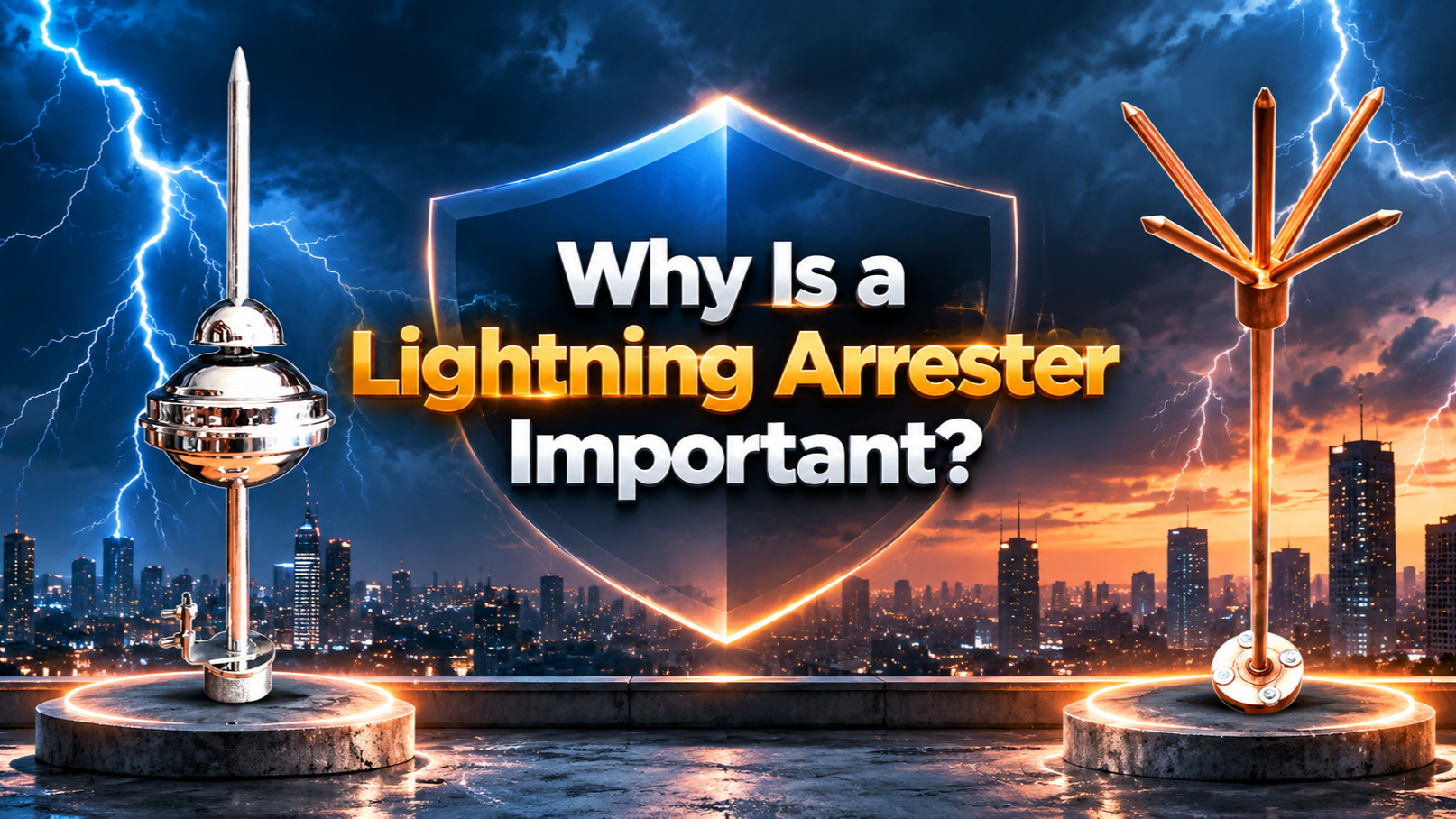
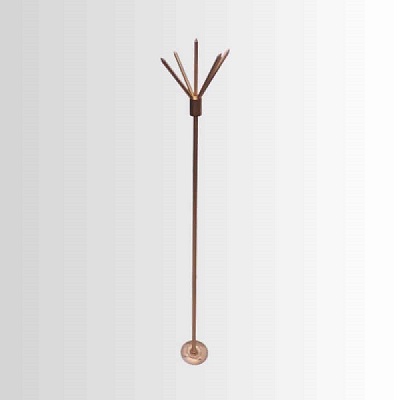
A conventional lightning arrester is a component or arrangement used within a lightning protection system to help manage the effects of lightning strikes. In building protection, conventional lightning protection commonly uses air terminals, also known as lightning rods, along with down conductors and an earthing system. These components work together to provide a controlled path for lightning current to reach the ground.
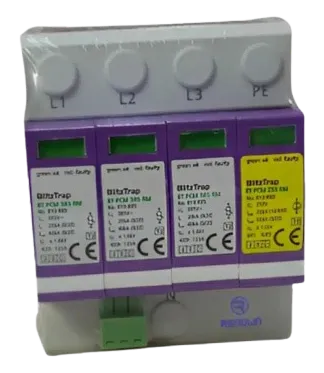
It is important to distinguish between a conventional lightning rod system and a surge arrester. A lightning rod system helps intercept lightning and conduct its current safely toward earth, while a surge protective device or electrical arrester helps limit transient overvoltages in electrical circuits. Both may be necessary, depending on the application and the risks involved.
How Does a Conventional Lightning Arrester Work?
A conventional lightning protection system works through several connected components that help control the path of lightning current.
1. Lightning Interception
An air terminal is installed at a suitable location, often at the highest or most exposed part of a structure. It forms part of the lightning protection system and is intended to provide a designated attachment point for a lightning strike.
2. Safe Current Conduction
Down conductors connect the air terminals to the earthing system. These conductors provide a designed route for lightning current to travel toward the ground. Correct conductor sizing, routing, connections, and installation are essential for system performance.
3. Earthing and Ground Dissipation
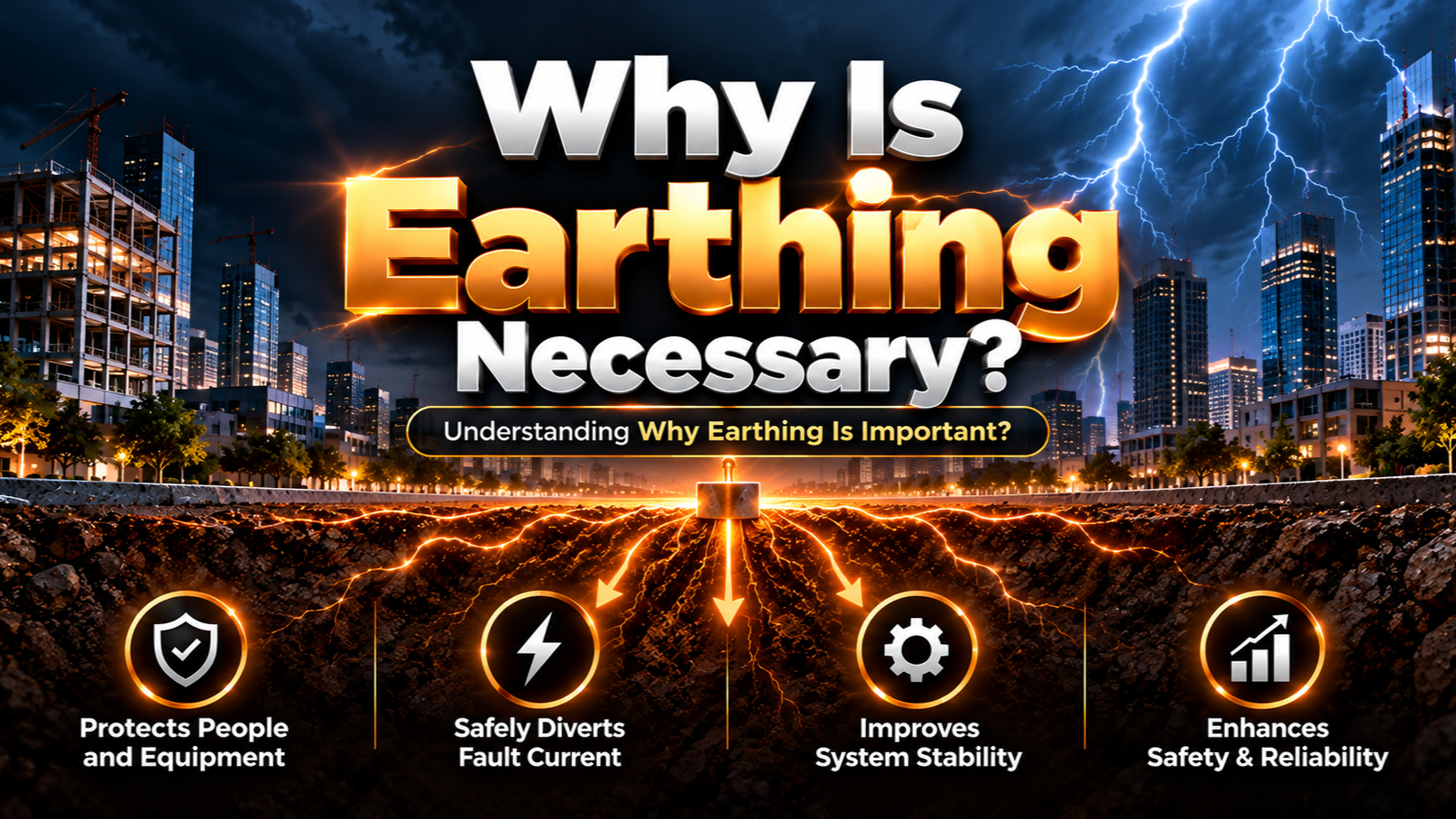
The earthing system provides a connection between the lightning protection conductors and the ground. Properly designed earthing helps disperse lightning current into the earth while controlling dangerous potential differences. The effectiveness of the complete system depends on appropriate design, installation, soil conditions, and maintenance.
Why Is a Conventional Lightning Arrester Important?
Lightning protection is valuable wherever a lightning strike could threaten people, property, or critical equipment. A properly designed conventional lightning protection system can offer several benefits.
Protects Buildings and Structures
Lightning strikes can damage roofs, structural components, and building services. A suitable external protection system helps manage the lightning current through a planned conductive path rather than leaving it to travel through unintended routes.
Reduces Electrical Damage Risks
Lightning can create dangerous electrical surges that affect wiring, appliances, control panels, and electronic equipment. An external lightning protection system should be coordinated with suitable surge protection devices to help reduce these risks.
Supports Industrial Safety
Factories, warehouses, offices, commercial buildings, and other facilities may contain valuable machinery and essential electrical infrastructure. A properly engineered lightning protection system can help reduce lightning-related damage and operational disruption.
Works with a Proper Earthing System
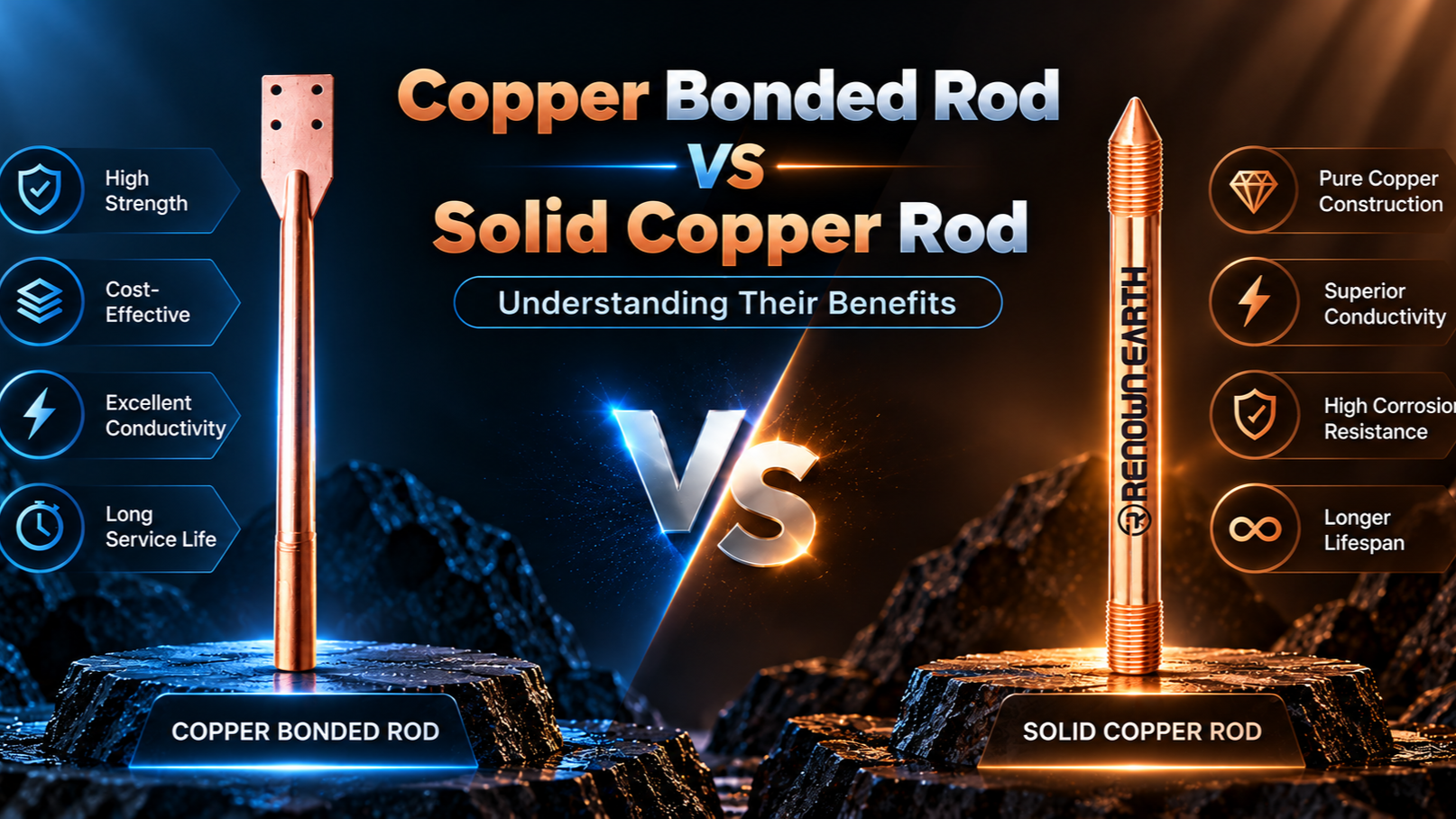
Earthing is an essential part of an effective lightning protection arrangement. Suitable earthing conductors, electrodes, connections, and bonding help provide the intended current path. Regular inspection is also important to identify corrosion, loose connections, and other installation issues.
Where Are Conventional Lightning Arresters Used?
Conventional lightning protection systems are used in a wide range of applications, depending on the structure, exposure, and risk assessment.
Common applications include:
Residential houses and apartment buildings
Commercial offices and shopping complexes
Factories and industrial facilities
Warehouses and storage buildings
Educational institutions and hospitals
Telecommunications and utility infrastructure
Agricultural and other exposed structures
The specific protection design should be selected according to the structure's characteristics, applicable standards, and professional assessment.
Conventional Lightning Arrester vs. ESE Lightning Arrester
Conventional lightning protection systems and Early Streamer Emission (ESE) systems use different approaches to lightning interception. Conventional systems generally use air terminals connected to down conductors and an earthing network. ESE systems use terminals designed to initiate an upward streamer earlier under specified test conditions.
The selection should be based on applicable standards, project requirements, site conditions, and local regulations. Claims about protection radius or coverage should be assessed carefully and should not replace a proper lightning risk assessment. Installation must follow the relevant requirements and the manufacturer's documented instructions.
Why Choose Renown Power for Lightning and Earthing Solutions?
Renown Power focuses on earthing and lightning protection products for electrical safety applications. Selecting suitable components is important, but the overall protection system must also be designed and installed correctly.
When planning a lightning protection project, consider the quality and suitability of the air terminals, conductors, connectors, earthing electrodes, and surge protection devices. Proper bonding between relevant conductive parts and coordination between external lightning protection and internal surge protection can improve the overall protection strategy.
Renown Power can be explored by electrical contractors, engineers, builders, and businesses looking for earthing and lightning protection solutions. Before choosing a product, review its specifications and ensure it meets the technical requirements of your project.
How to Choose the Right Conventional Lightning Arrester
Before selecting a conventional lightning protection solution, consider these key factors:
Building height and design: Tall, exposed, or complex structures may require a more detailed lightning protection assessment.
Site conditions: Local lightning exposure, soil conditions, and surrounding structures can influence system design.
Material quality: Select suitable, durable components that meet relevant technical requirements.
Earthing arrangement: Ensure the earthing system is properly designed, installed, bonded, and tested.
Applicable standards: Follow relevant local regulations and recognized lightning protection standards, such as the applicable parts of the IEC 62305 series.
Professional installation: Use qualified professionals to design, install, inspect, and maintain the system.
A product alone cannot guarantee complete protection. Reliable performance depends on the entire lightning protection system working together as intended.
Conclusion
A conventional lightning arrester system plays an important role in protecting buildings and infrastructure against lightning-related hazards. By combining suitable air terminals, down conductors, earthing components, and coordinated surge protection, property owners can improve electrical safety and reduce the risk of lightning damage.
Renown Power offers earthing and lightning protection solutions for a variety of applications. Whether you are planning protection for a home, commercial property, or industrial facility, choose suitable products and work with qualified professionals to develop a reliable protection system.
Frequently Asked Questions (FAQs)
1. What is a conventional lightning arrester?
A conventional lightning protection arrangement typically uses air terminals, down conductors, and an earthing system to provide a planned path for lightning current to reach the ground.
2. How does a conventional lightning arrester work?
The air terminal forms part of the lightning interception system, the down conductors carry current toward the earthing network, and the earthing system helps disperse the current into the ground.
3. Is a conventional lightning arrester suitable for industrial buildings?
It can be suitable for industrial buildings when the system is designed according to the building's lightning risk, structural characteristics, electrical requirements, and applicable standards.
4. What is the difference between a lightning arrester and a surge protection device?
A building lightning protection system helps manage direct lightning strikes, while a surge protection device limits transient overvoltages in electrical systems. Both may be needed for comprehensive protection.
5. Why is earthing important in a lightning protection system?
Earthing provides a designed connection to the ground for lightning current. Proper installation, bonding, testing, and maintenance are essential for effective system performance.