
Electrical safety is essential for residential, commercial, and industrial properties. A properly designed grounding system helps provide a controlled path for electrical fault currents to flow into the earth, reducing the risk of electrical hazards and supporting the safe operation of electrical equipment. One important component used in certain grounding applications is a solid copper grounding rod.
Known for its electrical conductivity and corrosion resistance, a solid copper grounding rod can be a suitable option for specific grounding requirements. Renown Power offers earthing and lightning protection solutions to help businesses and professionals explore products for their electrical safety projects.
What Is a Solid Copper Grounding Rod?
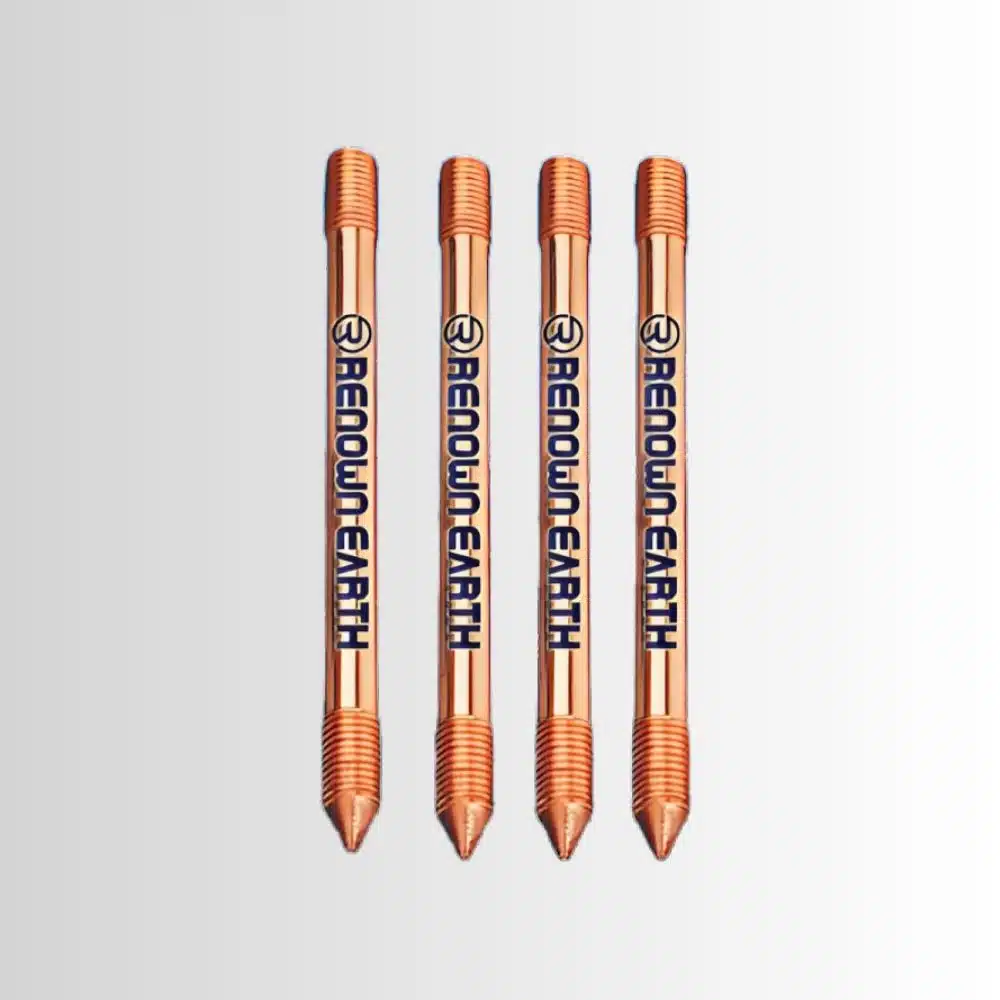
A solid copper grounding rod is an earthing component manufactured from solid copper. It is installed in the ground as part of an electrical grounding system and connected to the appropriate grounding conductors.
Copper is widely used in electrical applications because it offers excellent electrical conductivity. Its corrosion resistance can also make it useful in various soil conditions, although the actual service life depends on soil chemistry, moisture levels, installation practices, and other environmental factors.
Solid copper grounding rods may be considered for electrical installations, industrial facilities, commercial buildings, and other projects where grounding requirements call for this type of electrode.
Why Is a Solid Copper Grounding Rod Important?
A reliable grounding arrangement is an important part of electrical system design. The grounding electrode works alongside conductors, bonding connections, and protective devices to support the intended operation of the overall system.
Here are several reasons why solid copper grounding rods may be considered for grounding applications.
1. Excellent Electrical Conductivity
Copper is an excellent conductor of electricity. This property makes it a widely used material in electrical grounding and bonding applications.
A solid copper grounding rod can form part of a grounding system designed to provide an appropriate electrical connection with the earth. However, overall grounding performance depends on factors such as electrode dimensions, soil resistivity, installation depth, and the complete grounding design.
2. Corrosion Resistance
Grounding electrodes remain in contact with soil, which can contain moisture, minerals, and other substances that affect metal surfaces.
Copper generally offers good corrosion resistance in many environments. Nevertheless, aggressive soil conditions and contact with dissimilar metals can influence corrosion behavior. Selecting the right electrode requires consideration of the installation environment and applicable engineering requirements.
3. Durability and Long-Term Performance
A solid copper grounding rod can offer durability when correctly selected and installed. Its performance over time depends on soil conditions, mechanical protection, connections, and regular inspection where required.
Choosing a suitable grounding electrode can help support the long-term reliability of an electrical grounding system.
4. Suitability for Different Applications
Solid copper grounding rods may be used in selected residential, commercial, and industrial grounding projects. They can also be considered for facilities where grounding requirements are determined by electrical engineers or qualified installation professionals.
The appropriate electrode should always be selected according to the project's technical specifications, local electrical codes, and relevant standards.
Solid Copper Grounding Rod vs. Copper-Bonded Grounding Rod
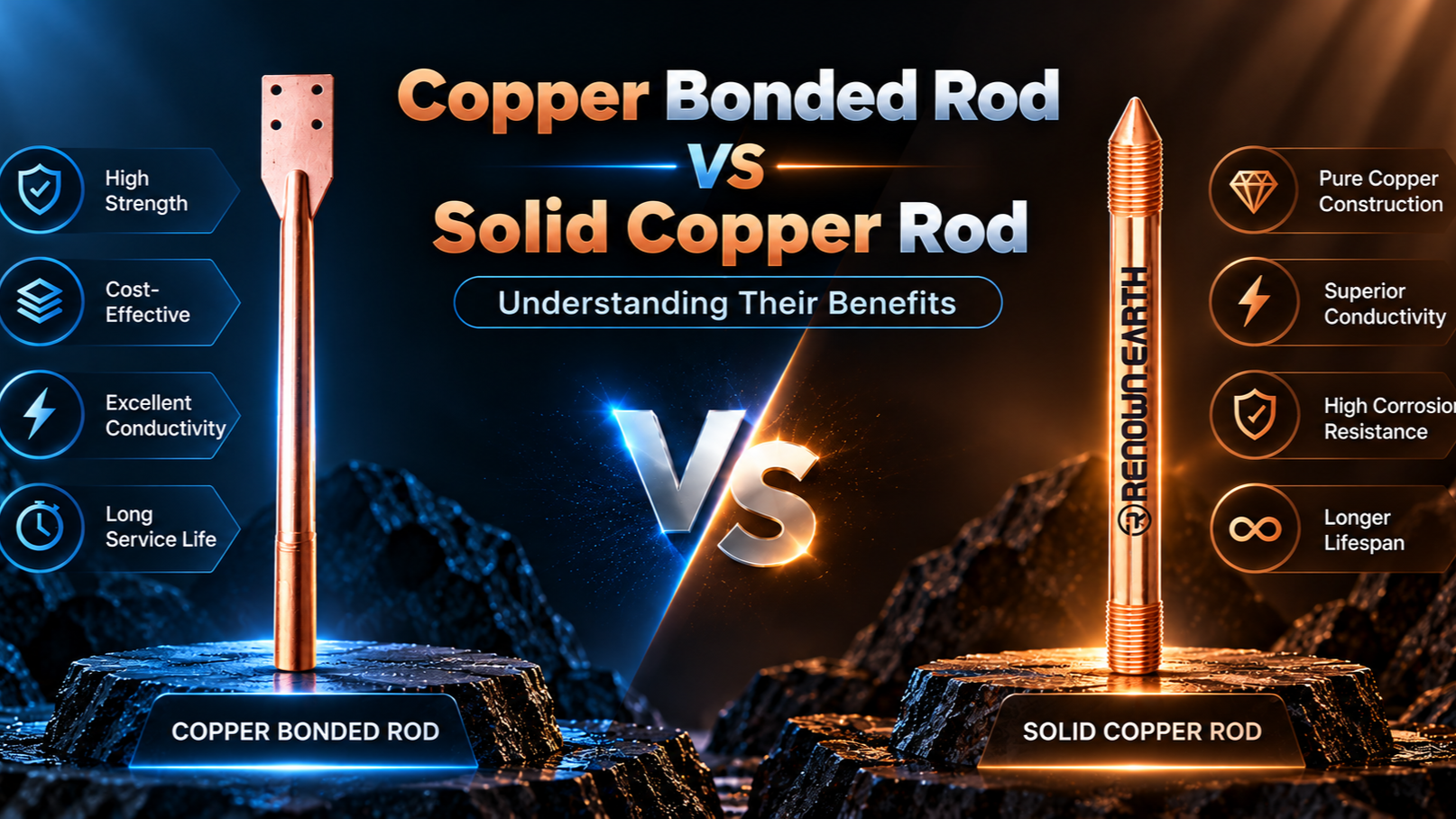
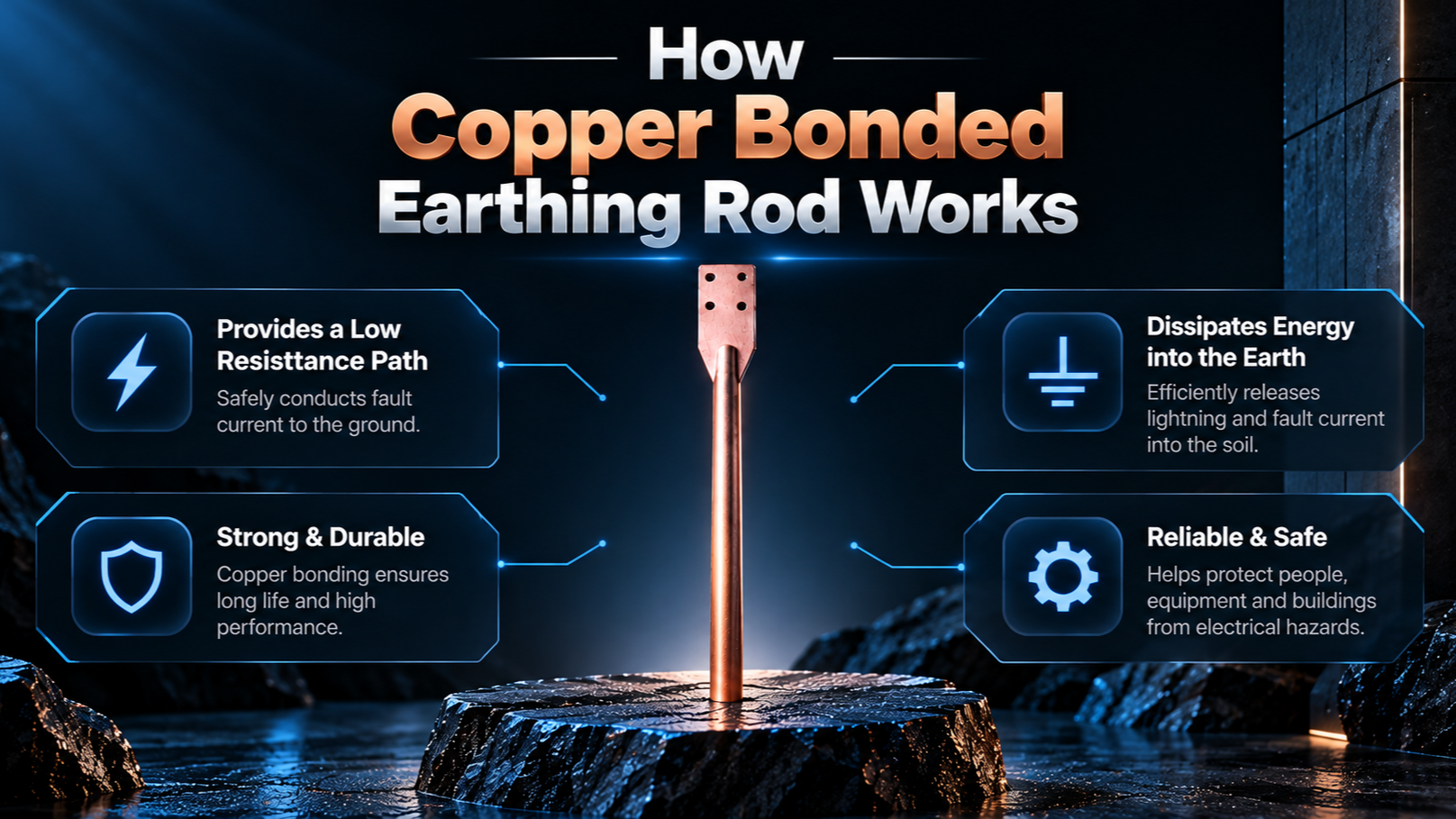
When choosing an earthing electrode, buyers may compare solid copper grounding rods with copper-bonded grounding rods. Although both use copper in their construction, they differ in their material composition.
A solid copper grounding rod is made from copper throughout its body. A copper-bonded grounding rod generally has a steel core covered with a copper layer.
Solid copper rods provide the material properties of copper throughout the electrode, while copper-bonded rods combine a steel core with an external copper layer. Each design has its own characteristics relating to mechanical strength, conductivity, cost, and installation requirements.
The best option depends on the project's soil conditions, grounding design, mechanical requirements, budget, and applicable standards. There is no single electrode that is automatically the best choice for every application.
Where Are Solid Copper Grounding Rods Used?
Solid copper grounding rods may be considered for several types of electrical installations, depending on engineering requirements.
Common applications include:
Residential buildings: As part of a properly designed electrical grounding arrangement.
Commercial properties: For offices, retail buildings, and other facilities requiring electrical grounding.
Industrial facilities: In grounding systems designed for machinery, equipment, and electrical infrastructure.
Electrical installations: Where the project specification calls for a solid copper electrode.
Specialized grounding projects: Where material properties and environmental conditions influence electrode selection.
Every installation should follow the relevant electrical standards and be completed by qualified professionals.
How to Choose the Right Solid Copper Grounding Rod
Before purchasing a solid copper grounding rod, consider the following factors.
Material and dimensions: Confirm the copper composition, rod diameter, length, and other specifications required by the project.
Soil conditions: Soil resistivity, moisture, and chemical composition can affect grounding performance and electrode durability.
Installation requirements: Consider installation depth, soil characteristics, connection methods, and mechanical requirements.
Applicable standards: Verify compliance with relevant electrical codes and project specifications.
Supplier reliability: Select a supplier that can provide clear product specifications, technical information, and assistance with product selection.
These considerations help buyers make informed decisions and select an electrode appropriate for their intended application.
Why Choose Renown Power for Earthing Solutions?
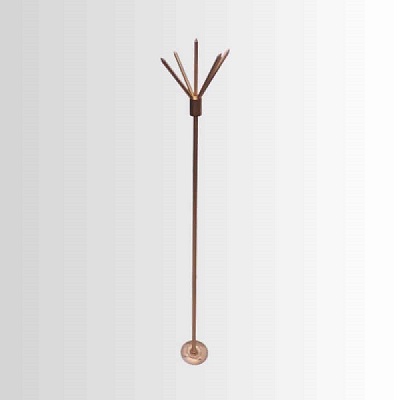
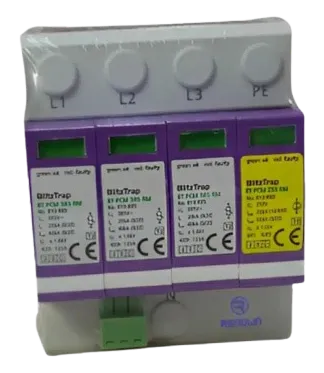
Renown Power focuses on earthing and lightning arrester protection products for electrical safety applications. Selecting suitable grounding components is an important step in developing a reliable grounding arrangement for residential, commercial, and industrial projects.
When exploring solid copper grounding rods and other earthing products, buyers should review the available specifications and confirm that the selected product meets their project requirements.
Renown Power can be considered as a source for exploring earthing solutions, including products designed for grounding and lightning protection applications. Working with an appropriate supplier and qualified electrical professional can help ensure that product selection aligns with the installation's technical needs.
Explore reliable earthing solutions at https://www.renownpower.com/
Conclusion
A solid copper grounding rod can be a valuable component in an appropriately designed electrical grounding system. Its excellent electrical conductivity, corrosion resistance, and material characteristics make it suitable for selected grounding applications.
However, choosing the right grounding electrode requires more than considering the material alone. Soil conditions, electrode dimensions, installation practices, project specifications, and applicable standards all influence the final decision.
Renown Power supports the exploration of earthing and lightning protection solutions for different electrical projects. By evaluating product specifications and consulting qualified professionals, buyers can select grounding components that meet their safety and performance requirements.
Frequently Asked Questions (FAQs)
1. What is a solid copper grounding rod?
A solid copper grounding rod is an electrical grounding electrode made from copper throughout its body. It is installed in the earth as part of a grounding system.
2. What are the benefits of a solid copper grounding rod?
Its main characteristics include excellent electrical conductivity and good corrosion resistance in many environments. Actual performance depends on soil conditions, installation quality, and grounding system design.
3. What is the difference between a solid copper and a copper-bonded grounding rod?
A solid copper grounding rod is made from copper throughout, whereas a copper-bonded rod typically has a steel core with an outer copper layer. Their suitability depends on project requirements.
4. Where can solid copper grounding rods be used?
They may be used in selected residential, commercial, industrial, and other electrical grounding applications when specified by the project design.
5. How do I choose a suitable solid copper grounding rod?
Check the rod's material, dimensions, soil conditions, installation requirements, and compliance with applicable standards. Consult a qualified electrical professional to confirm suitability.