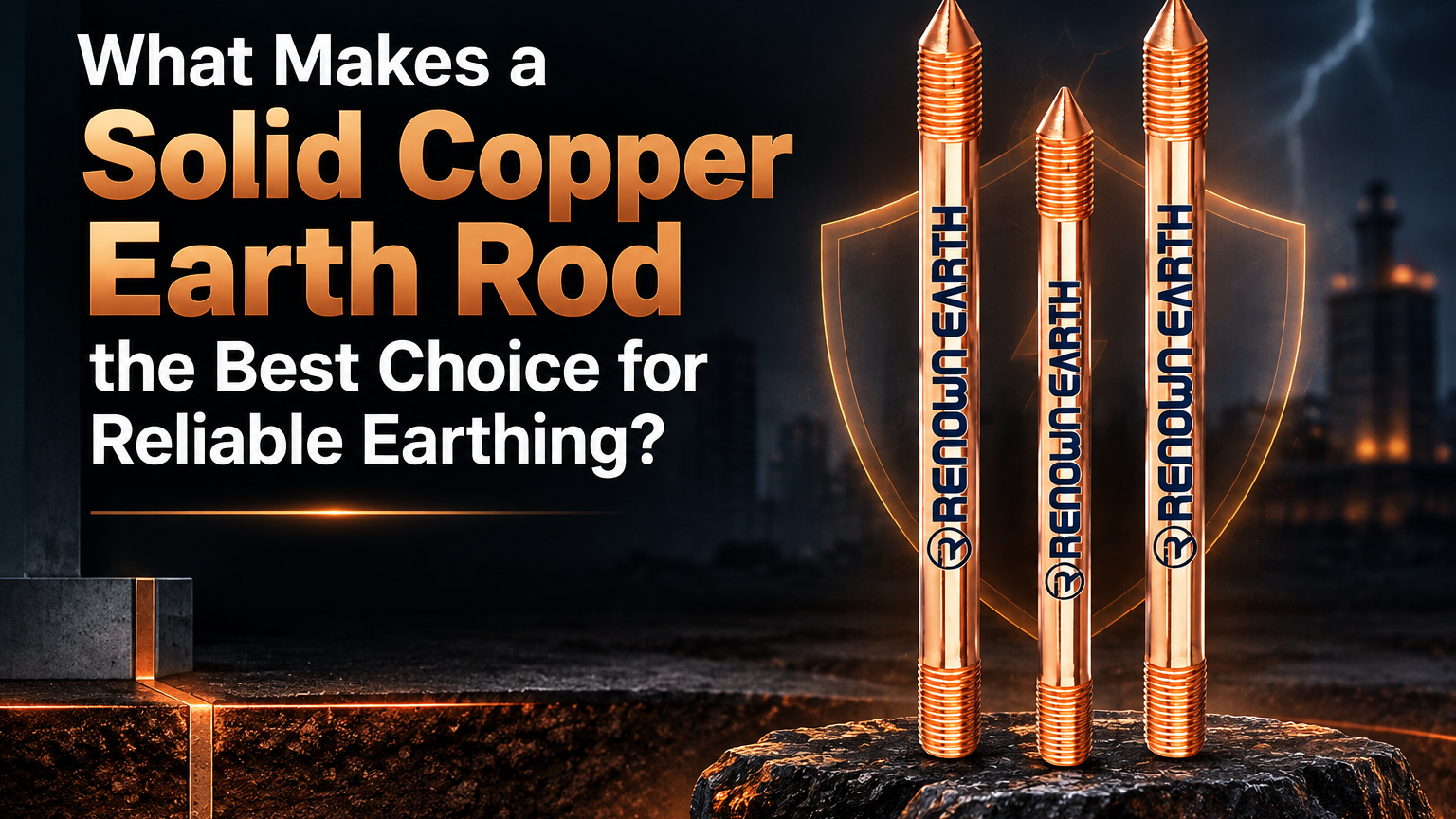
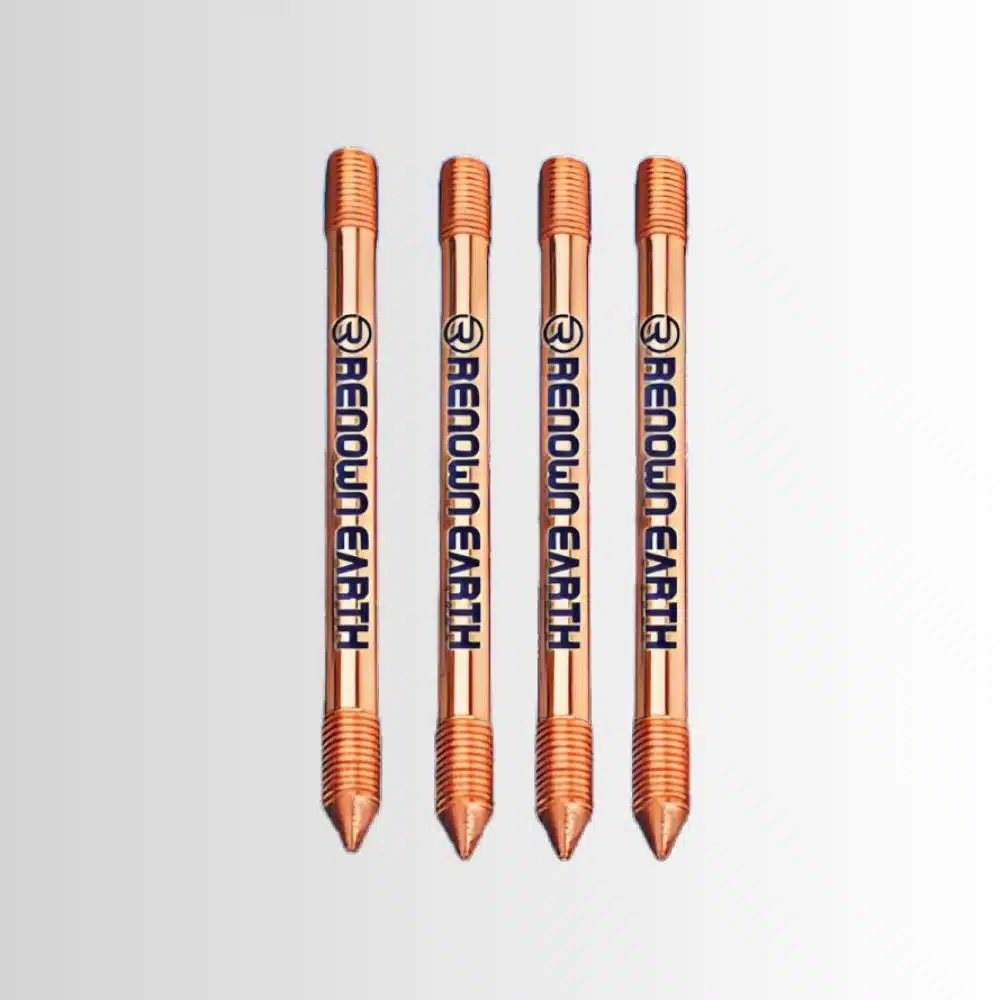


Electrical safety is an essential part of residential, commercial, industrial, and infrastructure projects. A properly designed earthing system helps provide a safe path for unwanted electrical current and supports the protection of electrical equipment and people. One of the commonly used components in such systems is a GI earthing electrode.
But what makes a GI earthing electrode useful, and why is it considered an important part of an effective earthing system? Understanding its construction, benefits, applications, and installation considerations can help electrical professionals and project owners make better decisions when selecting earthing components.
What Is a GI Earthing Electrode?
A GI earthing electrode is an earthing component made from galvanized iron (GI) and installed in the ground to provide a connection between an electrical system and the earth. The electrode helps dissipate fault current into the ground and supports the overall safety and stability of an electrical installation.
GI, or galvanized iron, is generally protected with a zinc coating that helps improve its resistance to corrosion. This makes GI earthing electrodes suitable for various electrical earthing applications where durability and cost-effectiveness are important considerations.
Depending on the project requirements, GI earthing electrodes can be available in different shapes, sizes, and configurations. The appropriate electrode is selected according to factors such as soil conditions, electrical requirements, installation design, and applicable standards.
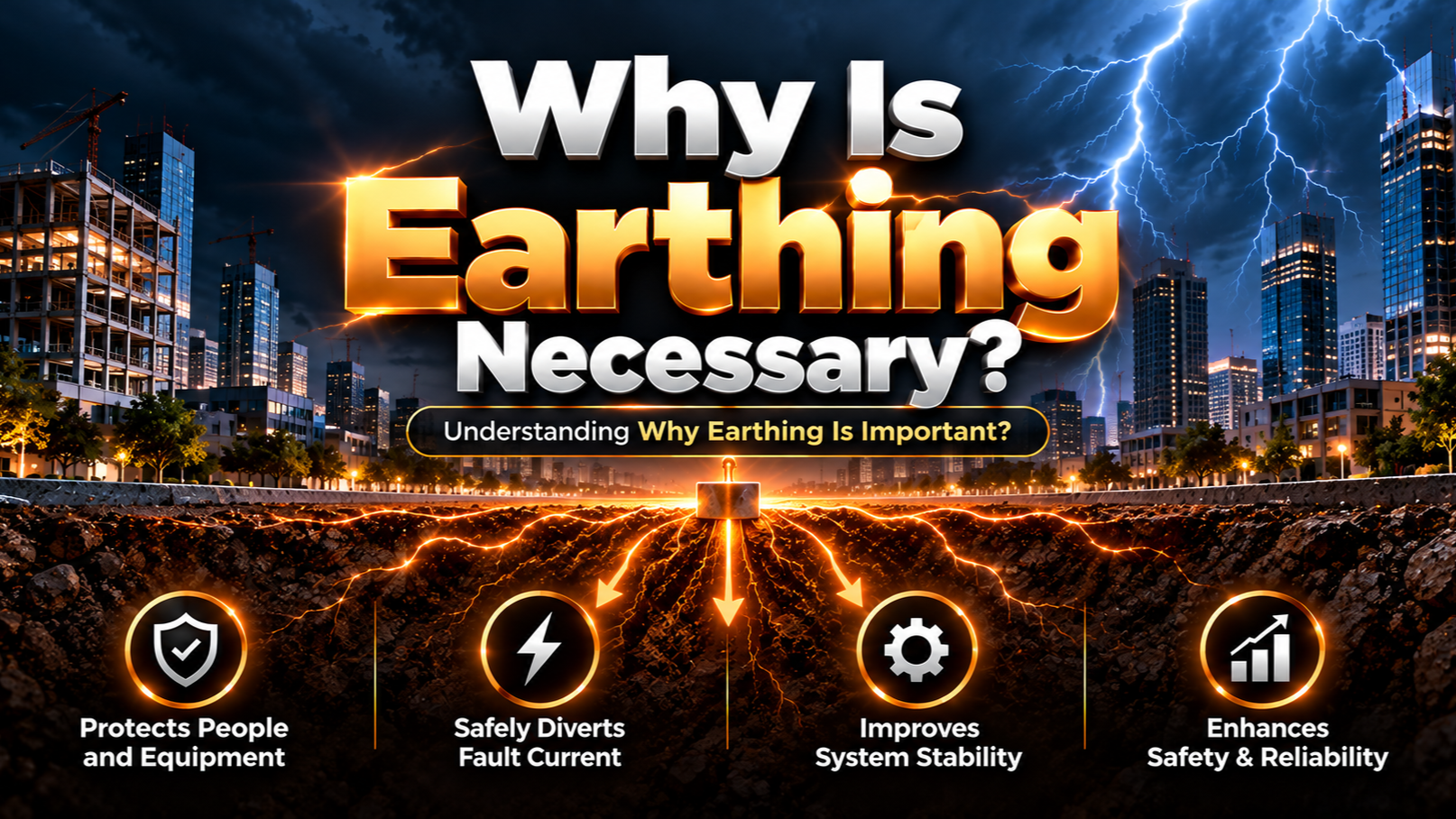
Why Is Earthing Important?
Electrical systems can experience leakage currents, faults, or unexpected surges. Without an appropriate earthing arrangement, these electrical conditions can create safety risks and potentially damage electrical equipment.
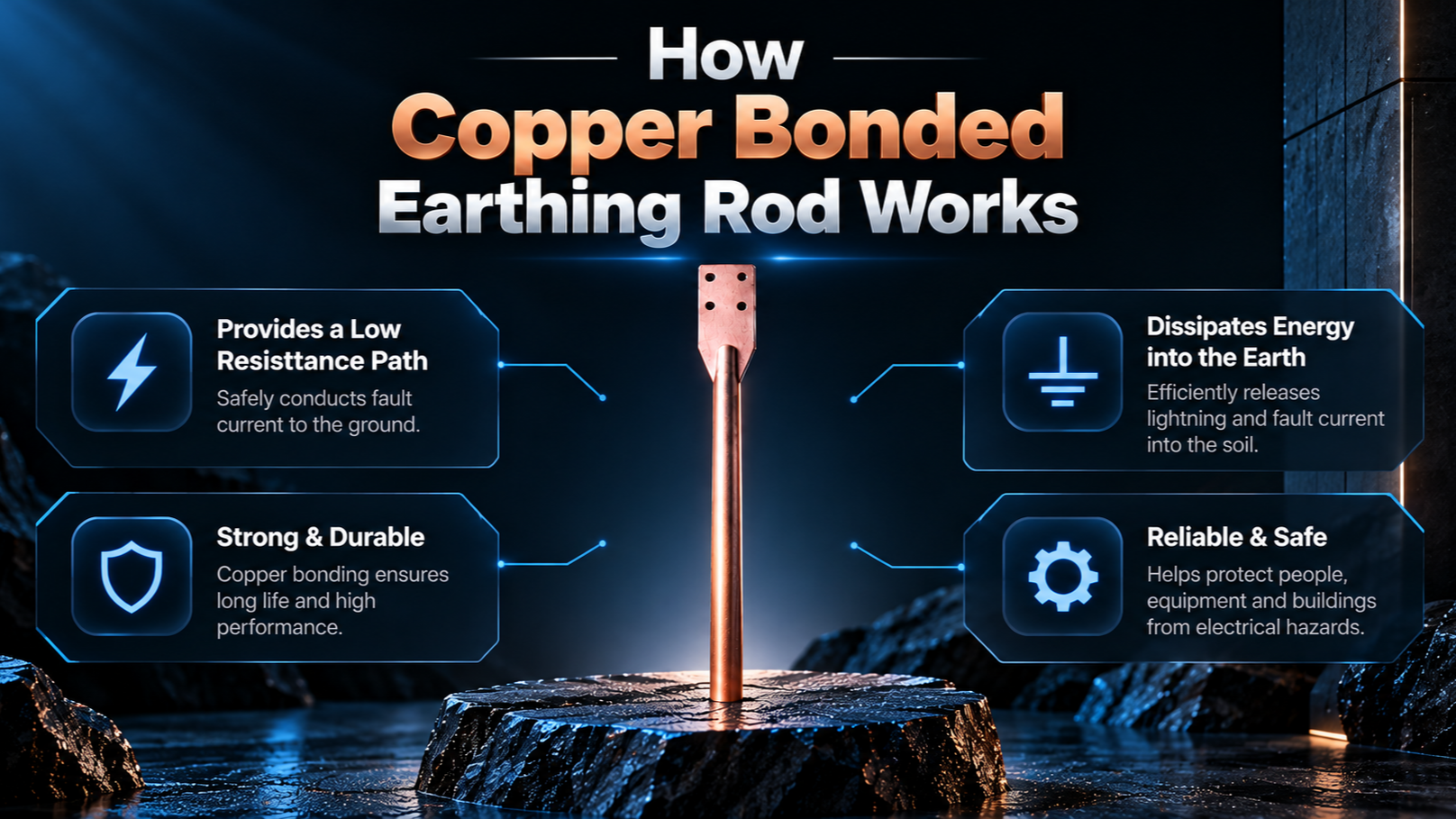
An effective earthing system provides a controlled path for fault current toward the earth. This can support the operation of protective devices and help reduce the risk associated with electrical faults.
A GI earthing electrode works as an important connection point within this system. When properly installed and connected, it contributes to the overall effectiveness of the earthing arrangement.
Key Benefits of GI Earthing Electrodes
1. Corrosion Protection
The galvanization process provides a protective zinc coating over the iron surface. This helps protect the electrode against environmental exposure and corrosion, which is particularly important because earthing electrodes remain in contact with soil for long periods.
2. Durable Construction
GI electrodes are designed for long-term use in suitable earthing installations. Their robust construction makes them useful for a wide range of electrical and industrial applications.
3. Cost-Effective Solution
Compared with some alternative earthing materials, GI can offer a practical and economical option for projects where budget and performance both need to be considered.
4. Wide Range of Applications
GI earthing electrodes can be used in residential buildings, commercial facilities, industrial plants, electrical installations, infrastructure projects, and other applications where an appropriate earthing system is required.
5. Easy Integration
GI electrodes can be incorporated into different earthing system designs when the correct electrode specifications, connections, and installation practices are followed.
Where Are GI Earthing Electrodes Used?
The application of a GI earthing electrode depends on the requirements of the electrical installation. Common areas of use include:
Residential buildings
Commercial properties
Industrial facilities
Manufacturing units
Electrical substations
Telecommunication installations
Solar and renewable energy installations
Infrastructure projects
Control panels and electrical equipment
Power distribution systems
The electrode type and installation method should always be selected according to the project's electrical design and site conditions.
GI Earthing Electrode and Electrical Safety
The primary purpose of an earthing system is to provide a safe and effective path for fault current. A properly designed system can help minimize electrical hazards and support the functioning of protective equipment.
However, simply installing a GI earthing electrode does not automatically guarantee effective earthing. Overall performance depends on several factors, including soil resistivity, electrode dimensions, installation depth, connections, moisture conditions, and the complete earthing system design.
Regular inspection and appropriate testing can also help verify that an earthing system continues to perform as intended.
Factors to Consider Before Selecting a GI Earthing Electrode
Selecting the right electrode requires consideration of the installation environment and electrical requirements. Some important factors include:
Soil Conditions
Soil composition and resistivity can influence earthing performance. Different soil conditions may require different earthing approaches.
Electrode Size
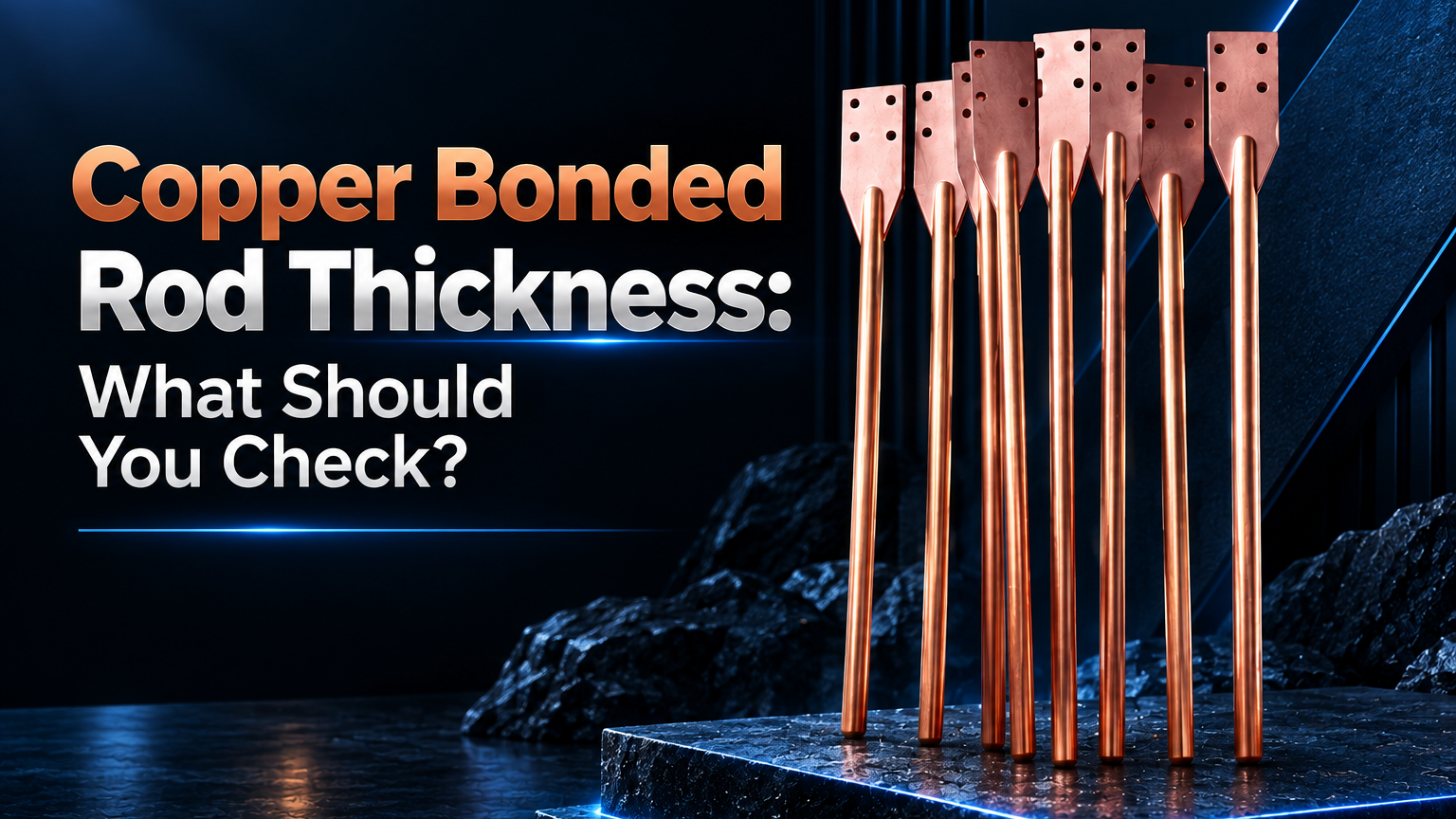
The dimensions of the electrode should be selected according to the project's electrical requirements and applicable specifications.
Corrosion Conditions
The surrounding environment should be evaluated to determine whether additional corrosion protection or a different electrode material may be appropriate.
Installation Method
The electrode should be installed correctly according to the project design. Proper connections between the electrode and earthing conductor are also important.
Applicable Standards
Electrical installations should follow relevant local regulations, standards, and engineering practices. Professional electrical guidance should be considered when designing or modifying an earthing system.
Why Choose Quality GI Earthing Products?
The quality of an earthing electrode can influence the durability and reliability of an earthing installation. Since electrodes are installed underground and can be difficult to access after installation, choosing an appropriately manufactured product is important.
Renown Power focuses on providing earthing and lightning protection products for different electrical applications. Its product range includes solutions designed to support reliable electrical protection and grounding requirements.
For projects requiring a GI earthing electrode, selecting a product that matches the application's technical requirements, environmental conditions, and installation design is essential.
GI Earthing Electrode vs. Other Earthing Materials
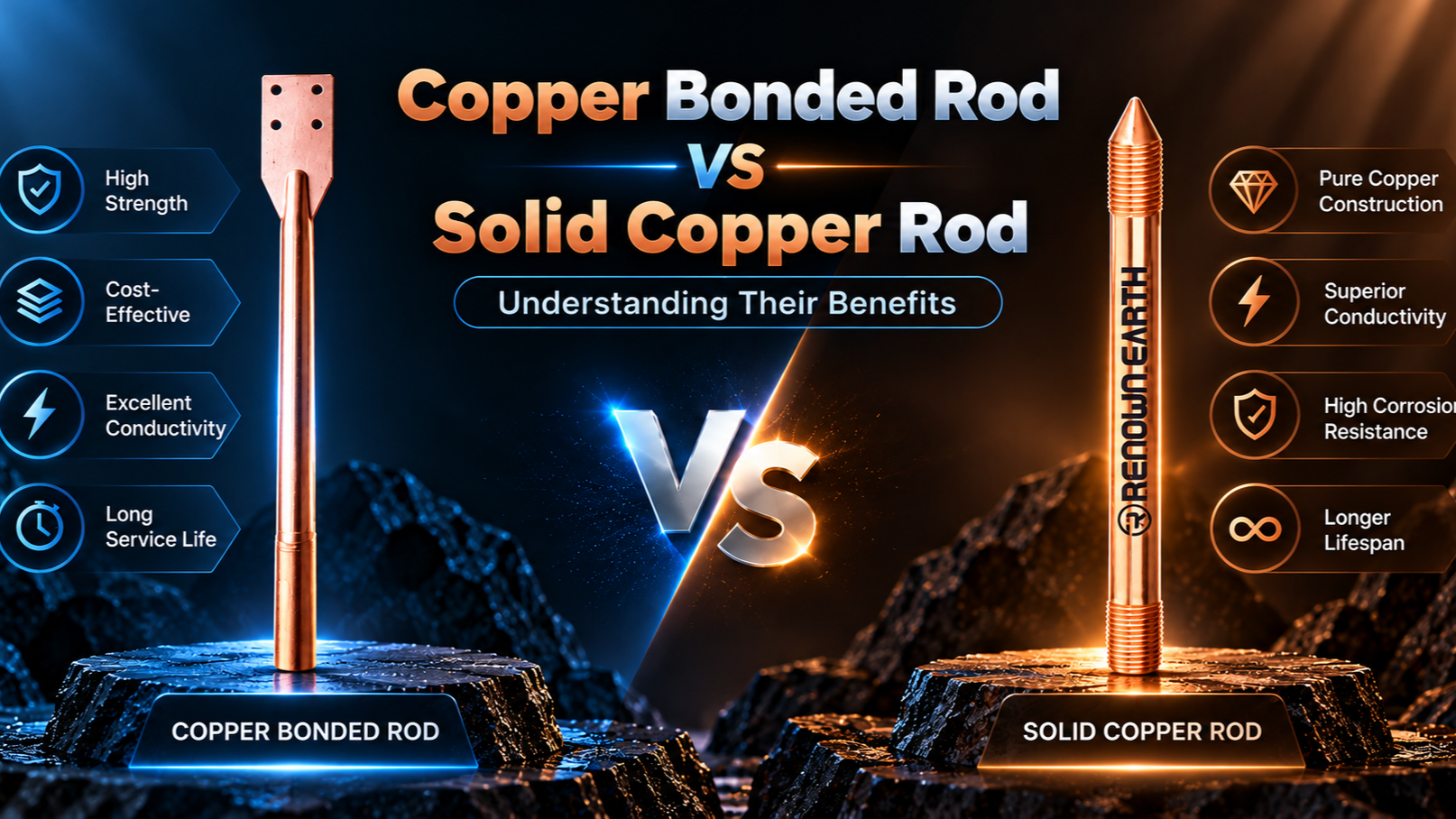
GI is one of several materials used for earthing applications. Copper and copper-bonded electrodes are also commonly considered for specific projects.
The right choice depends on factors such as soil conditions, required service life, corrosion environment, conductivity requirements, project specifications, and budget.
Therefore, there is no single electrode material that is ideal for every installation. Electrical engineers and project professionals should evaluate the complete system before selecting an electrode.
How to Maintain an Earthing System
Although an earthing electrode is installed underground, the overall earthing system should be inspected periodically. Connections, conductors, earth pits, and other accessible components should be checked for signs of deterioration or damage.
Testing the earth resistance at suitable intervals can also help identify potential issues. If the measured values change significantly or the installation experiences electrical faults, professional inspection may be required.
Proper maintenance helps ensure that the earthing system continues to perform effectively throughout its service life.
Conclusion
A GI earthing electrode is an important component used in electrical earthing systems. Its galvanized construction, durability, corrosion protection, and practical cost can make it suitable for a wide range of residential, commercial, industrial, and infrastructure applications.
However, selecting an electrode should not be based on material alone. Soil conditions, electrode specifications, installation practices, corrosion exposure, electrical requirements, and applicable standards should all be considered.
For reliable earthing and electrical protection requirements, Renown Power offers earthing and lightning protection solutions designed for diverse applications. Choosing the appropriate product and ensuring professional installation can contribute to a safer and more dependable electrical system.
Learn more about reliable earthing solutions at https://www.renownpower.com/
Frequently Asked Questions
1. What is a GI earthing electrode?
A GI earthing electrode is a galvanized iron electrode installed in the ground as part of an electrical earthing system. It provides a connection between the electrical installation and the earth.
2. What are the benefits of a GI earthing electrode?
GI earthing electrodes offer benefits such as corrosion protection from galvanization, durable construction, practical cost, and suitability for various electrical earthing applications.
3. Where are GI earthing electrodes commonly used?
They can be used in residential, commercial, industrial, infrastructure, telecommunications, power distribution, and other electrical installations where an appropriate earthing system is required.
4. Is GI better than copper for earthing?
The choice between GI, copper, and copper-bonded electrodes depends on soil conditions, corrosion environment, electrical requirements, project specifications, and budget. The appropriate material should be selected according to the complete system design.
5. How can I select the right GI earthing electrode?
Consider the project's electrical requirements, soil conditions, electrode dimensions, corrosion exposure, installation method, applicable standards, and expected service life. Professional technical guidance can help determine the appropriate specification.