
A reliable earthing system is an important part of electrical safety and infrastructure protection. Grounding electrodes provide a connection between an electrical system and the earth, helping provide a controlled path for fault currents and other unwanted electrical energy.
Among the different grounding electrode options available, Copper Bonded Rod and Solid Copper Rod are commonly considered for various applications. While both are copper-based grounding solutions, their construction and physical characteristics are different, which gives each type its own set of benefits.
Understanding the benefits of Copper Bonded Rod vs Solid Copper Rod can help electrical professionals, contractors, and project managers evaluate which characteristics are relevant to their specific application.
What Is a Copper Bonded Rod?
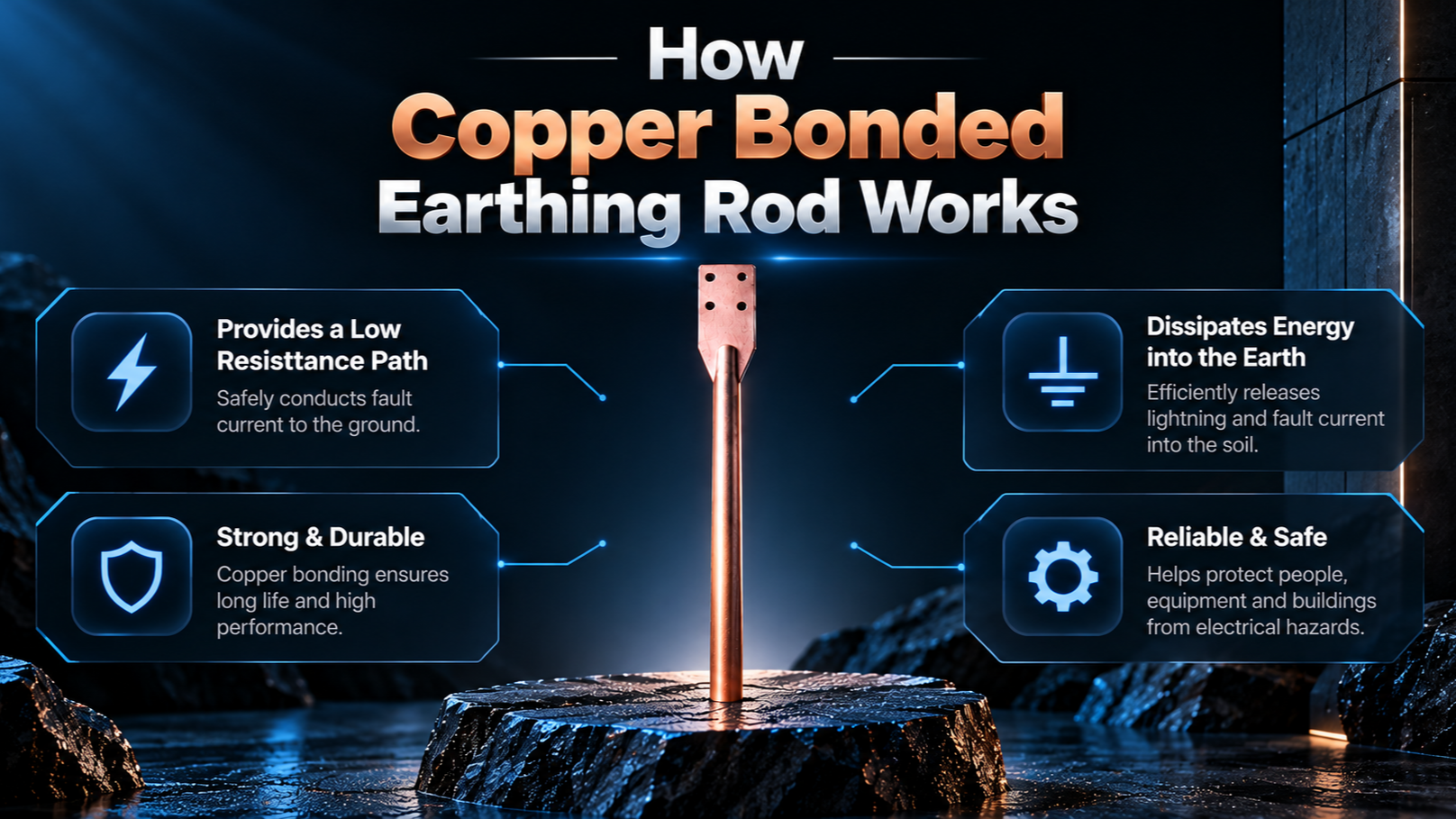
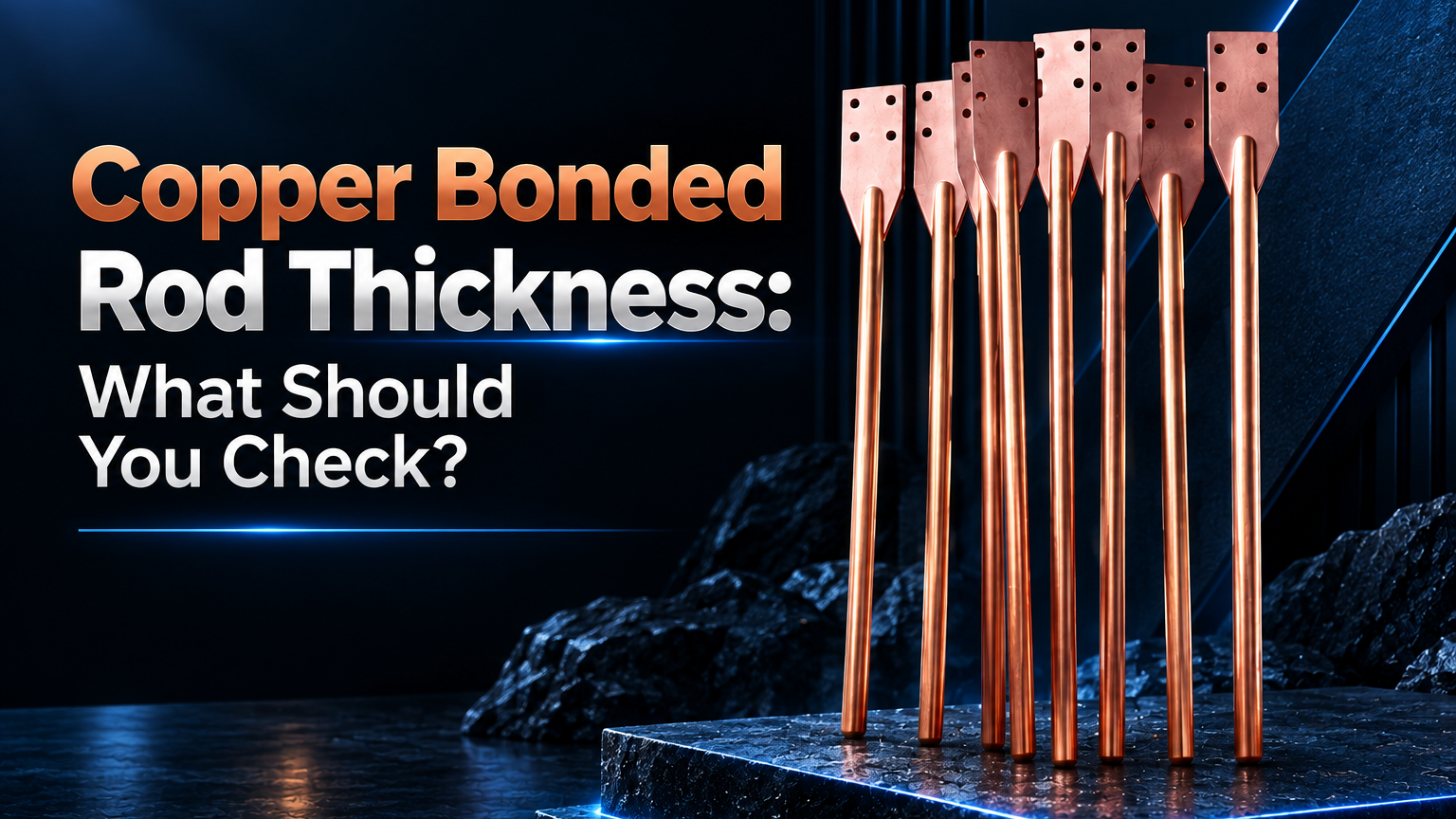
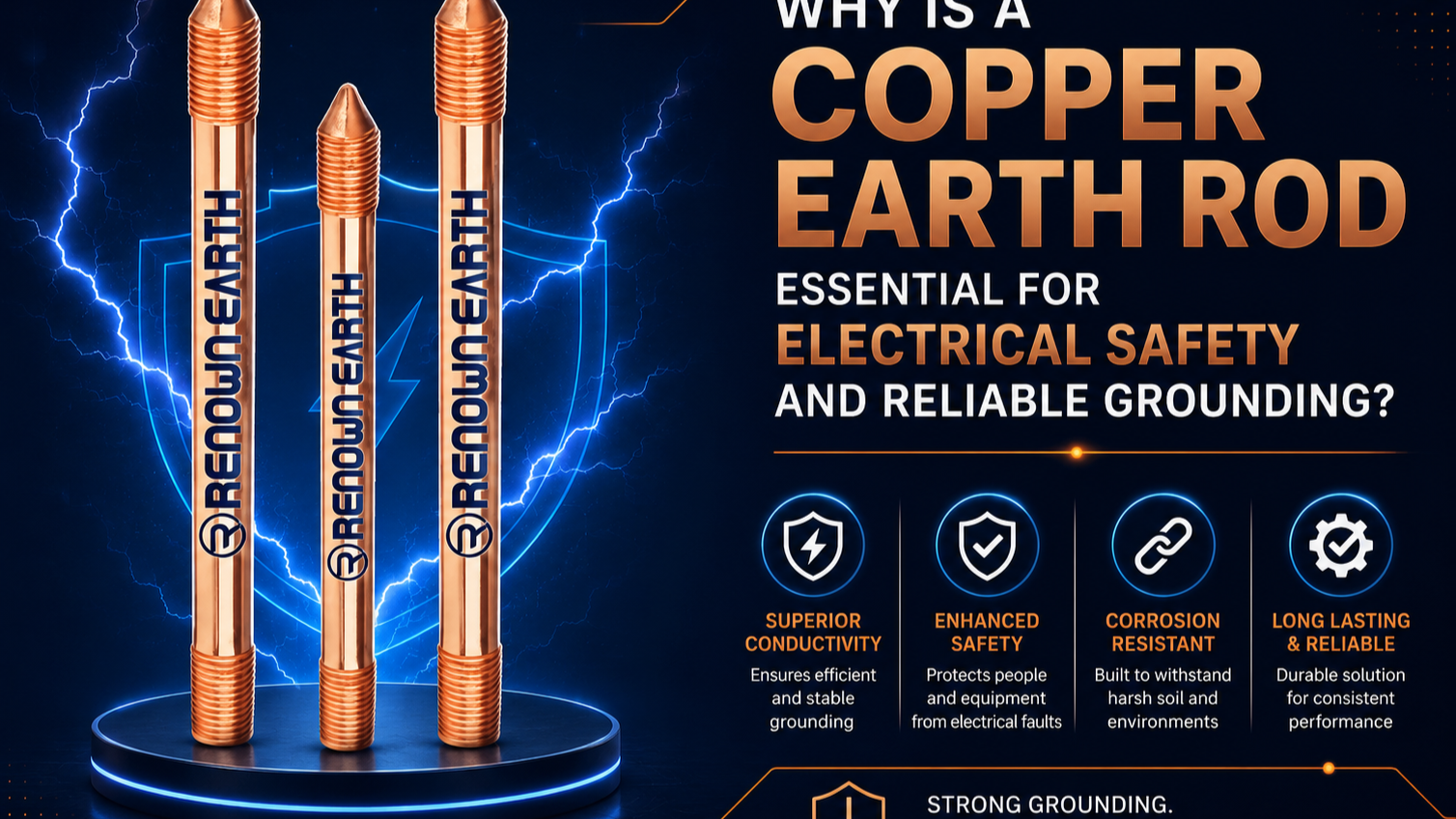
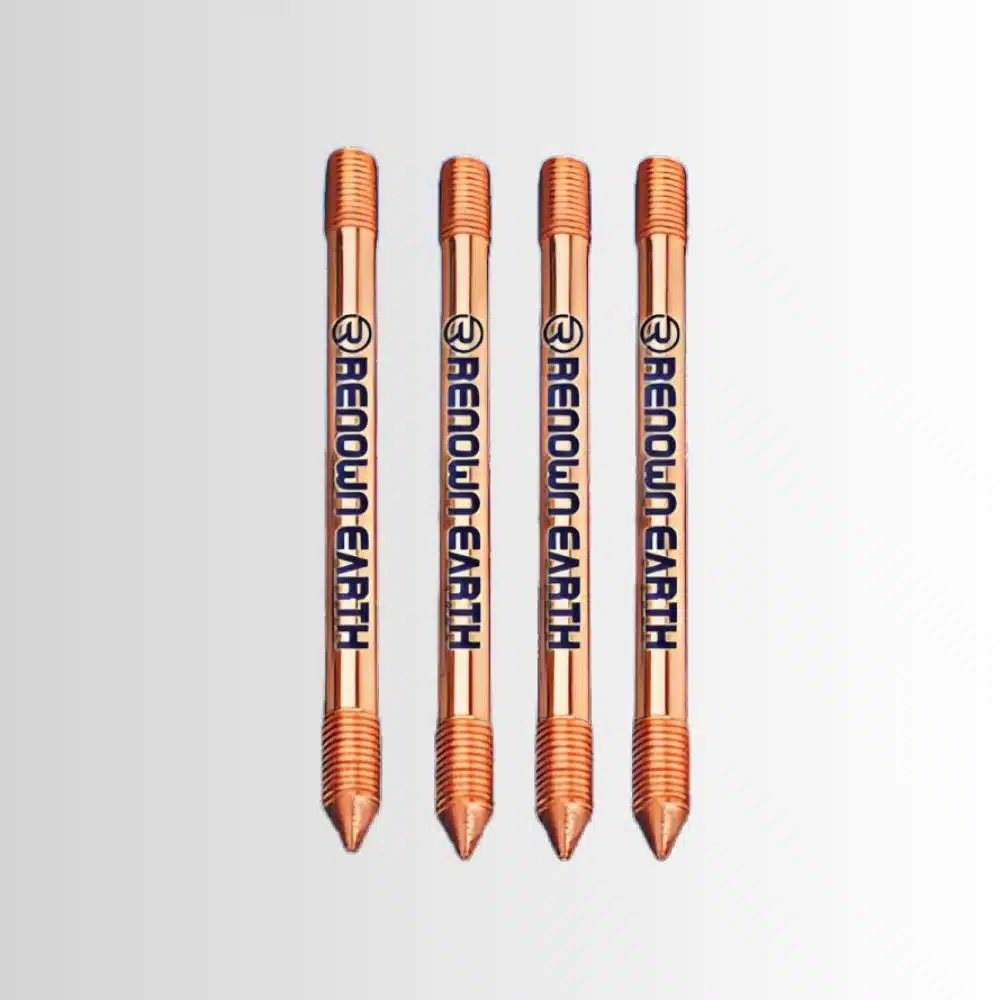
A Copper Bonded Rod generally consists of a steel core covered with a layer of copper. The copper is bonded to the steel core to create an electrode that combines the mechanical strength of steel with the corrosion-resistant properties of copper.
The steel core provides strength during installation, while the copper surface provides the conductive interface with the surrounding soil. The quality of the bonding and copper coating is important for long-term performance. Technical information from nVent notes that copper-bonded rods can offer high tensile strength, deep-driving capability, corrosion resistance, and long service life.
Benefits of Copper Bonded Rod
1. Strong Mechanical Construction
One of the major benefits of a Copper Bonded Rod is its steel core. The steel provides greater mechanical strength compared with softer copper materials. This characteristic can be useful when an electrode needs to be driven into the ground during installation.
2. Suitable for Deep Installation
Because of their steel core, copper bonded rods can be designed for applications requiring deeper driving. This can be useful where grounding system design requires electrodes to reach greater depths.
3. Copper Provides Corrosion Resistance
The copper layer provides protection against corrosion in many soil environments. Copper's resistance to corrosion is one reason it is widely used as the outer material for grounding electrodes.
4. Long Service Life
A properly manufactured copper bonded rod can provide long-term service because its copper coating protects the underlying steel core. Industry technical information has reported long service lives for appropriately manufactured copper-bonded electrodes in many soil conditions.
5. Cost-Effective Construction
Copper bonded rods use a steel core rather than being made entirely from copper. This construction can provide a practical balance between material usage, mechanical strength, corrosion resistance, and service life.
What Is a Solid Copper Rod?
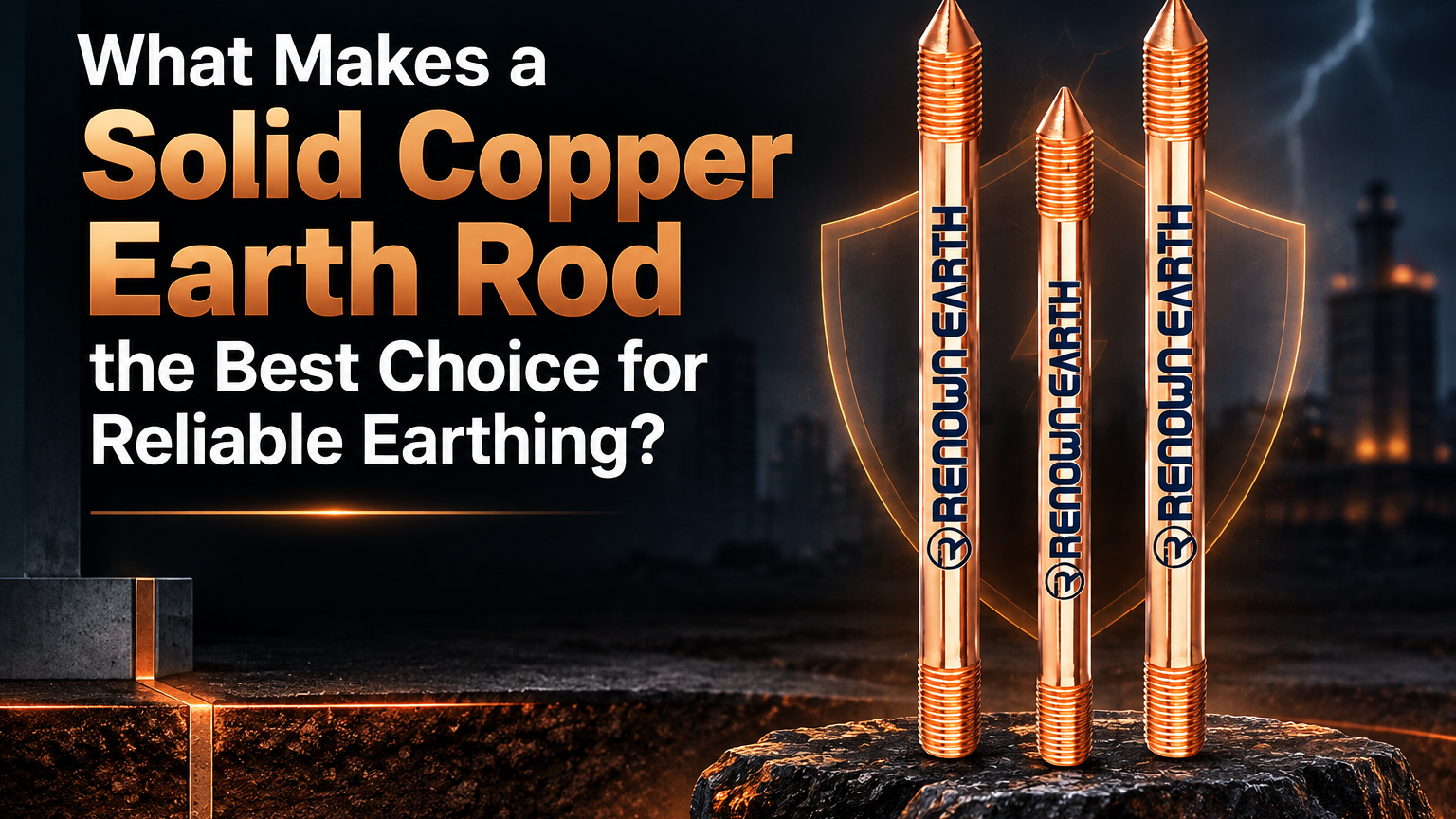
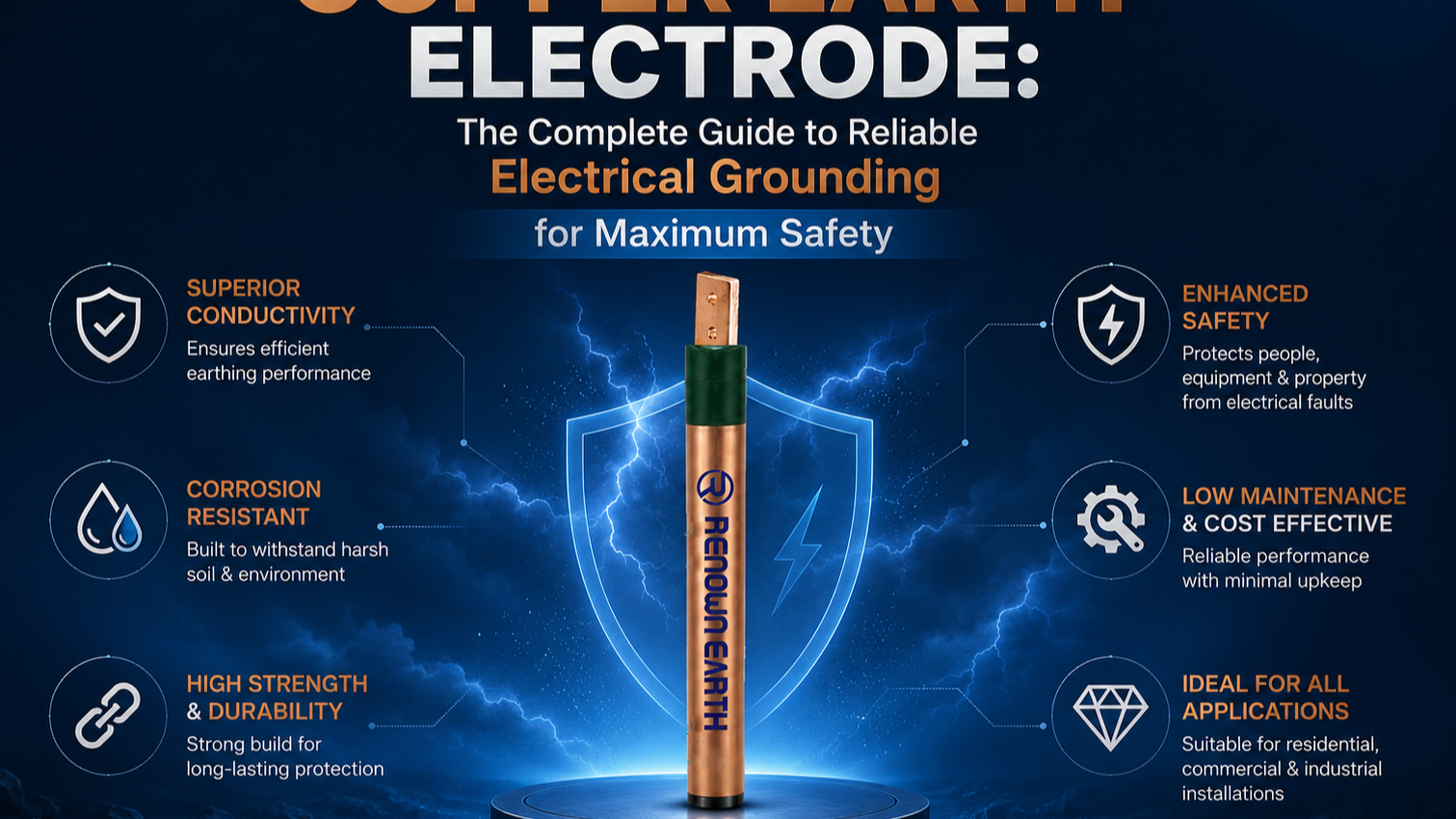
A Solid Copper Rod is manufactured from copper throughout its main body rather than having a steel core with a copper coating. Copper is known for its electrical conductivity and resistance to corrosion in many environments.
Solid copper grounding electrodes are used in applications where the properties of copper itself are desirable. Their characteristics can make them suitable for specific grounding and earthing requirements.
Benefits of Solid Copper Rod
1. Excellent Electrical Conductivity
Copper is a highly conductive metal, which makes solid copper an established material for electrical grounding applications. Its high conductivity allows it to carry electrical current effectively through the electrode.
However, overall grounding performance also depends on factors such as soil resistivity, electrode length, placement, connections, and the complete grounding-system design.
2. High Corrosion Resistance
Solid copper provides good corrosion resistance in many soil conditions. This characteristic can contribute to the durability of a grounding electrode when the surrounding environment is compatible with copper.
3. Uniform Copper Construction
Because the rod is made from copper rather than having a steel core and copper coating, there is no separate copper-to-steel interface within the rod. This gives solid copper electrodes a uniform material construction.
4. Suitable for Specific Applications
Solid copper rods can be considered for projects where a copper electrode is specifically required based on the environmental conditions, project specifications, or engineering requirements.
5. Established Grounding Material
Copper has been used extensively in electrical grounding and bonding applications because of its conductivity and corrosion-resistant properties. This makes solid copper a familiar material for many electrical professionals.
Copper Bonded Rod vs Solid Copper Rod: Key Difference
The primary difference between these two electrodes is their construction.
A Copper Bonded Rod combines a steel core with an externally bonded copper layer. Its key benefits include mechanical strength, deep-driving capability, copper-based corrosion protection, and long service potential.
A Solid Copper Rod, on the other hand, is made from copper and offers the benefits associated with copper's conductivity, corrosion resistance, and uniform material construction.
Therefore, the choice between them should be based on the requirements of the particular earthing system rather than simply considering one characteristic such as conductivity.
Factors to Consider for an Earthing Project
When evaluating a grounding electrode, professionals should consider more than the material alone. Important factors include:
Soil resistivity and soil composition
Required electrode depth
Installation method
Corrosion conditions
Mechanical requirements
Required grounding resistance
Applicable electrical standards
Connection and conductor requirements
Overall project specifications
Soil conditions are particularly important because soil resistivity can significantly influence the performance of a grounding system.
Copper Bonded Rod and Solid Copper Rod from Renown Power
Renown Power offers earthing and electrical protection solutions designed for different project requirements. Its product range includes copper-based earthing products such as Copper Bonded Rods and Pure Copper Electrodes, supporting applications where reliable grounding is required.
Choosing the appropriate electrode involves understanding the installation environment, technical specifications, and overall grounding design. Renown Power can help businesses and professionals explore suitable earthing solutions based on their project requirements.
Conclusion
The comparison of Copper Bonded Rod vs Solid Copper Rod is not simply about deciding which material is better. Both have their own characteristics and benefits that can be useful in different earthing applications.
Copper Bonded Rods combine a strong steel core with a copper exterior, offering benefits such as mechanical strength, deep-driving capability, corrosion protection, and long service potential. Solid Copper Rods provide a uniform copper construction along with excellent electrical conductivity and corrosion resistance in many environments.
By understanding the individual benefits of both options and considering soil conditions, installation requirements, project specifications, and the complete grounding design, professionals can make an informed selection for their specific application.
For reliable earthing solutions, explore Renown Power: https://www.renownpower.com/