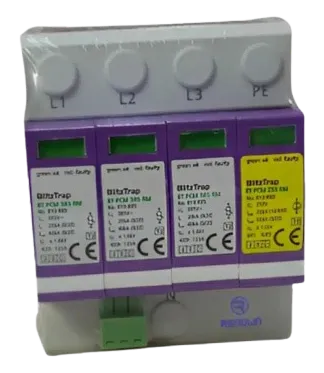

Lightning is a natural electrical phenomenon that can cause serious damage to buildings, electrical equipment, industrial machinery, and power infrastructure. A sudden lightning strike may result in fire hazards, equipment breakdowns, electrical surges, and costly repairs. Installing a suitable lightning protection system is therefore essential for improving the safety of residential, commercial, and industrial properties.
An ESE type lightning arrester is one option used in external lightning protection systems. ESE stands for Early Streamer Emission, and these devices are designed to initiate an upward streamer earlier under specified test conditions. When selecting a lightning protection solution, it is important to understand its working principle, applications, installation requirements, and compatibility with the earthing system.
Renown Power provides earthing and lightning protection solutions to support the safety and reliability of electrical infrastructure.
Understanding ESE Type Lightning Arrester Technology
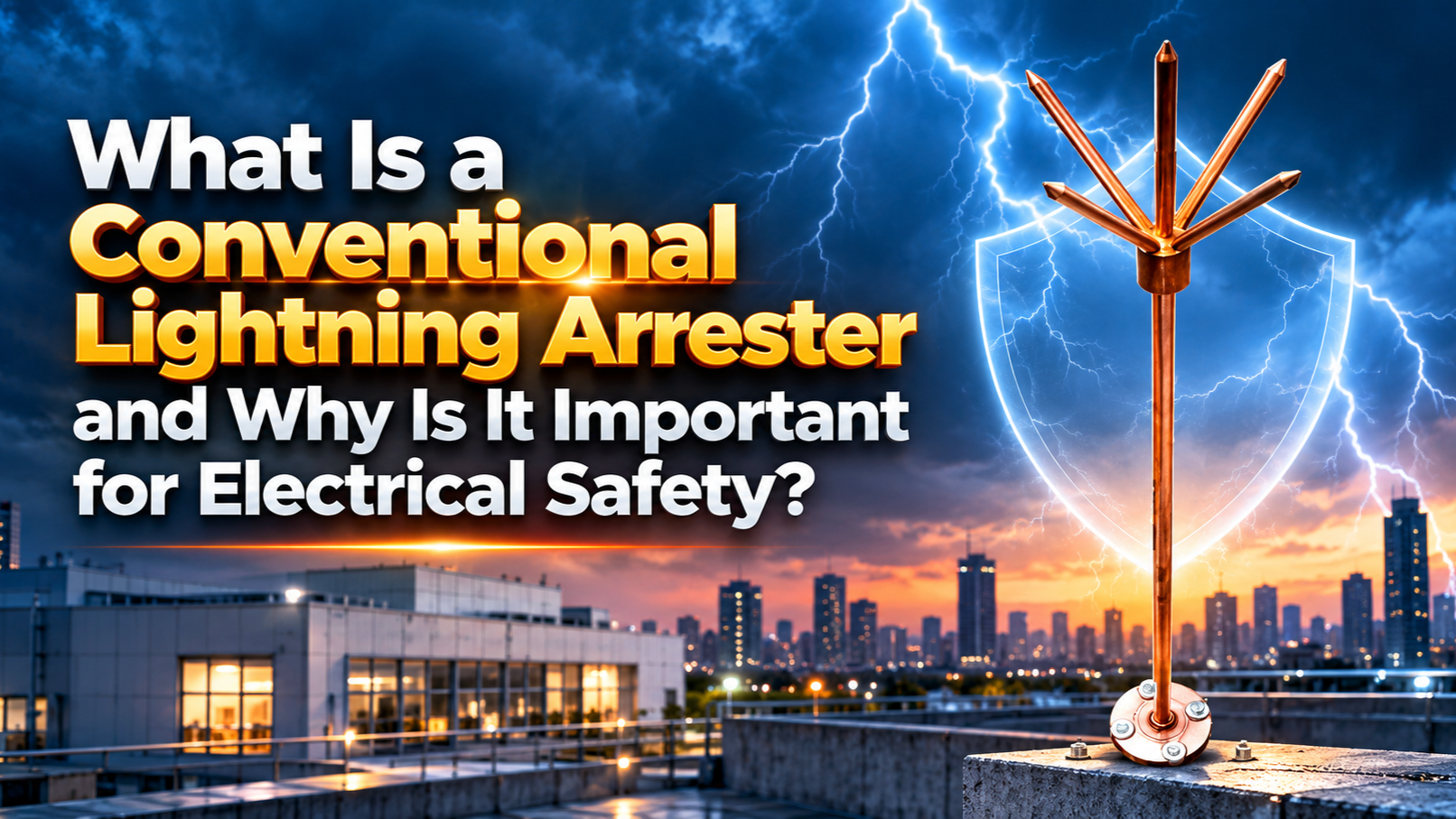
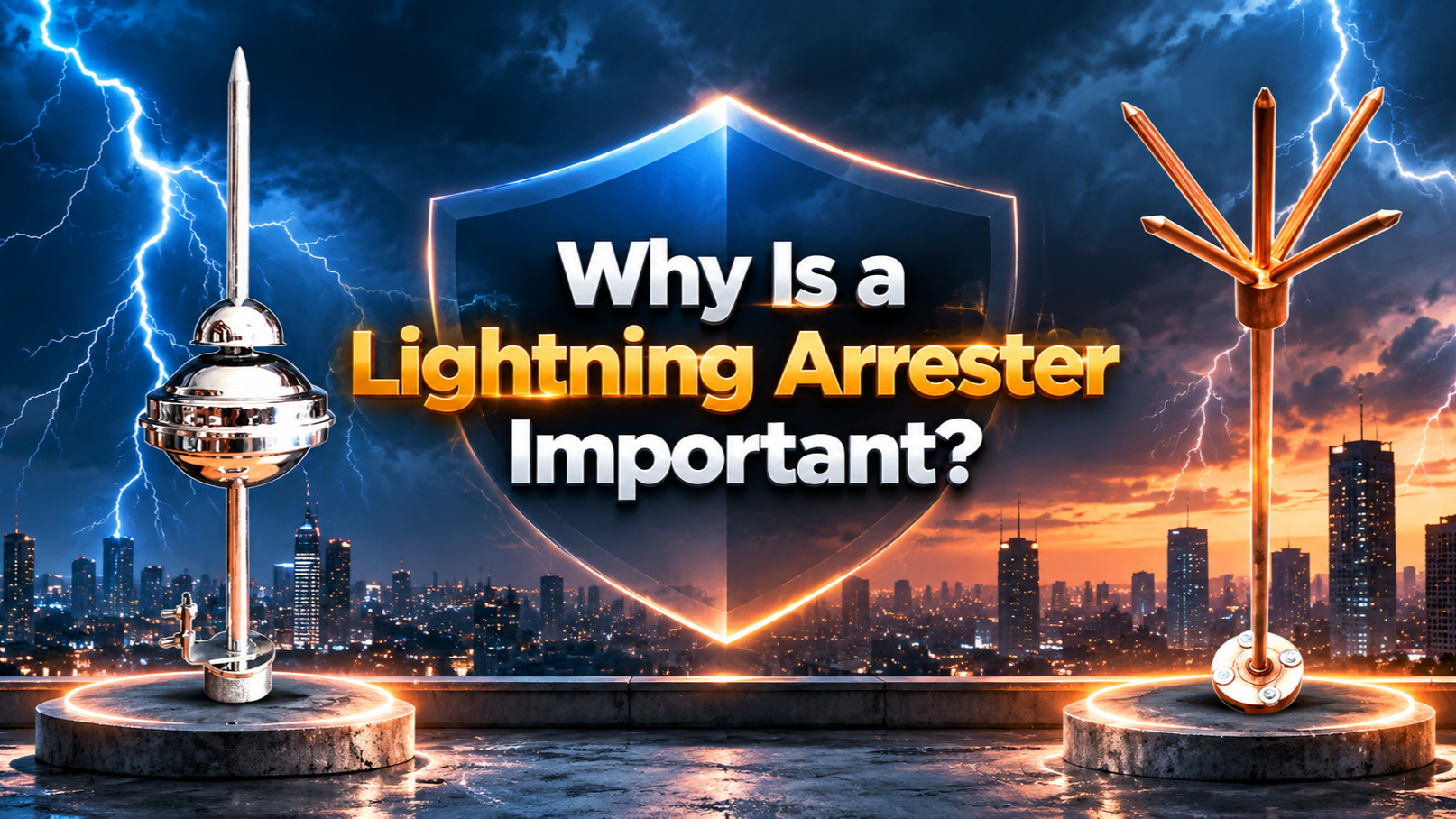
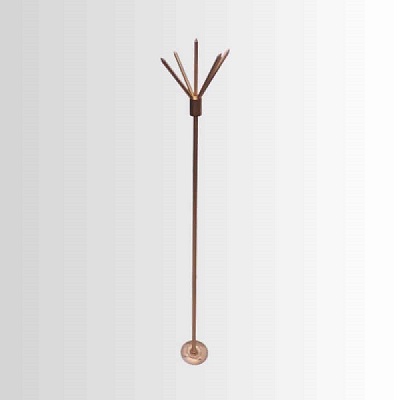
An ESE type lightning arrester is a specialized air terminal designed to help intercept lightning and provide a controlled path for lightning current to reach the ground. It is generally installed at an elevated location on a building or structure.
The main purpose of an ESE lightning protection system is to reduce the risk of direct lightning damage by providing a designated interception point. Its protection area is determined through calculations based on the applicable standard, installation height, and selected protection level.
A complete ESE lightning protection arrangement generally consists of an air terminal, down conductors, an earthing system, bonding connections, and inspection points.
Each component plays an important role in ensuring that lightning current can travel through the intended path.
Why Do Buildings Need an ESE Lightning Protection System?
Buildings with large rooftops, exposed locations, valuable electrical equipment, or critical operations may face significant lightning-related risks. A properly designed lightning protection system helps manage these risks.
Here are some important reasons to consider an ESE type lightning arrester:
1. Helps Protect Building Structures
Lightning strikes can damage roofs, walls, metal structures, and other building components. An appropriately designed external lightning protection system provides a designated path for lightning current, helping reduce the risk of structural damage.
2. Supports Electrical Equipment Safety
Modern buildings depend on electrical and electronic equipment for daily operations. Lightning-related surges can affect computers, control panels, communication systems, and industrial machinery. External lightning protection should be combined with suitable surge protection devices to improve equipment safety.
3. Helps Reduce Fire Risks
A direct lightning strike can generate intense heat and electrical arcing. A correctly designed lightning protection arrangement helps carry the lightning current through designated conductors instead of allowing uncontrolled current paths through the structure.
4. Suitable for Large Facilities
ESE lightning protection systems may be considered for factories, warehouses, commercial complexes, power facilities, and other large structures where a lightning risk assessment supports their use.
How Does an ESE Type Lightning Arrester Work?
The working principle of an ESE type lightning arrester is based on early streamer emission technology.
During a thunderstorm, an electrical field develops between the clouds and the ground. As the conditions for lightning become suitable, the ESE terminal is designed to initiate an upward streamer earlier than a conventional air terminal under specified test conditions.
The process can be understood through these stages:
Formation of an Electrical Field: Thunderstorm activity creates an electrical field between the cloud and the ground.
Streamer Initiation: The ESE terminal is designed to support the early initiation of an upward streamer.
Lightning Interception: The upward streamer may connect with a downward leader, allowing the terminal to intercept the lightning discharge.
Current Transmission: The lightning current travels through the connected down conductor.
Grounding: The earthing arrangement provides a path for lightning current to disperse into the earth.
The performance of the complete system depends on correct engineering, suitable component selection, proper installation, and maintenance.
Important Factors to Consider Before Choosing an ESE Lightning Arrester
Choosing the right lightning protection equipment requires careful planning. Before installing an ESE type lightning arrester, consider the following factors.
1. Building Height and Structure
The height, shape, roof layout, and surrounding environment of a building influence lightning protection design. These factors help determine the appropriate terminal position and protection requirements.
2. Protection Level
A lightning risk assessment helps establish the required level of protection. The selected system should meet the relevant project requirements and applicable technical standards.
3. Quality of Materials
The air terminal, conductors, clamps, connectors, and earthing components should be suitable for lightning protection applications. Material quality and corrosion resistance are important considerations for long-term performance.
4. Earthing Compatibility
The lightning protection system must be connected to a properly designed earthing arrangement. Soil resistivity, electrode selection, conductor sizing, and bonding requirements should be considered during installation.
5. Compliance with Applicable Standards
The design and installation should follow the standards and regulations applicable to the project. For ESE systems, IEC 62305 and NF C 17-102 may be relevant references, depending on the project's requirements and local acceptance. Always verify the applicable standard before selecting a system.
ESE Lightning Arrester Applications Across Different Industries
An ESE type lightning arrester may be considered for several applications where external lightning protection is required.
Industrial Plants: Manufacturing facilities often contain heavy machinery, electrical panels, and control systems that need protection from lightning-related risks.
Commercial Buildings: Offices, shopping centres, hotels, and business complexes can benefit from a properly designed lightning protection system.
Warehouses: Large storage facilities may contain valuable inventory, electrical equipment, and infrastructure that require suitable lightning protection.
Solar Installations: Solar power facilities need coordinated lightning protection, bonding, and surge protection arrangements to help safeguard equipment.
Institutional Buildings: Hospitals, educational institutions, and other public buildings may require lightning protection based on their risk assessment.
Importance of Earthing in ESE Lightning Protection
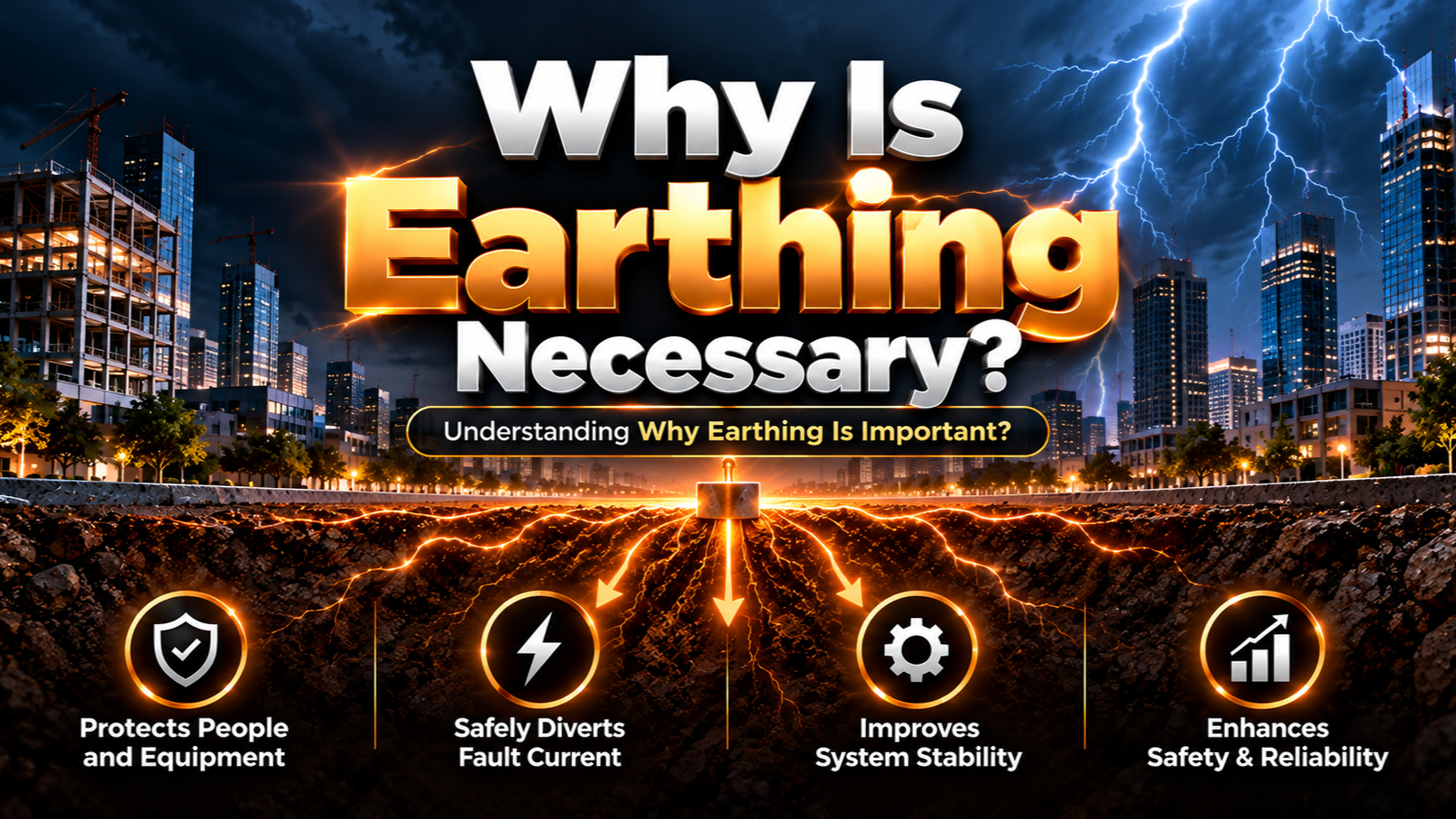
An ESE lightning arrester cannot work as a complete protection system on its own. The earthing arrangement is equally important because it provides a path for the lightning current to reach the ground.
A suitable earthing system should include properly selected electrodes, reliable connections, appropriate conductors, and effective bonding. The design should consider the site's soil conditions and electrical requirements.
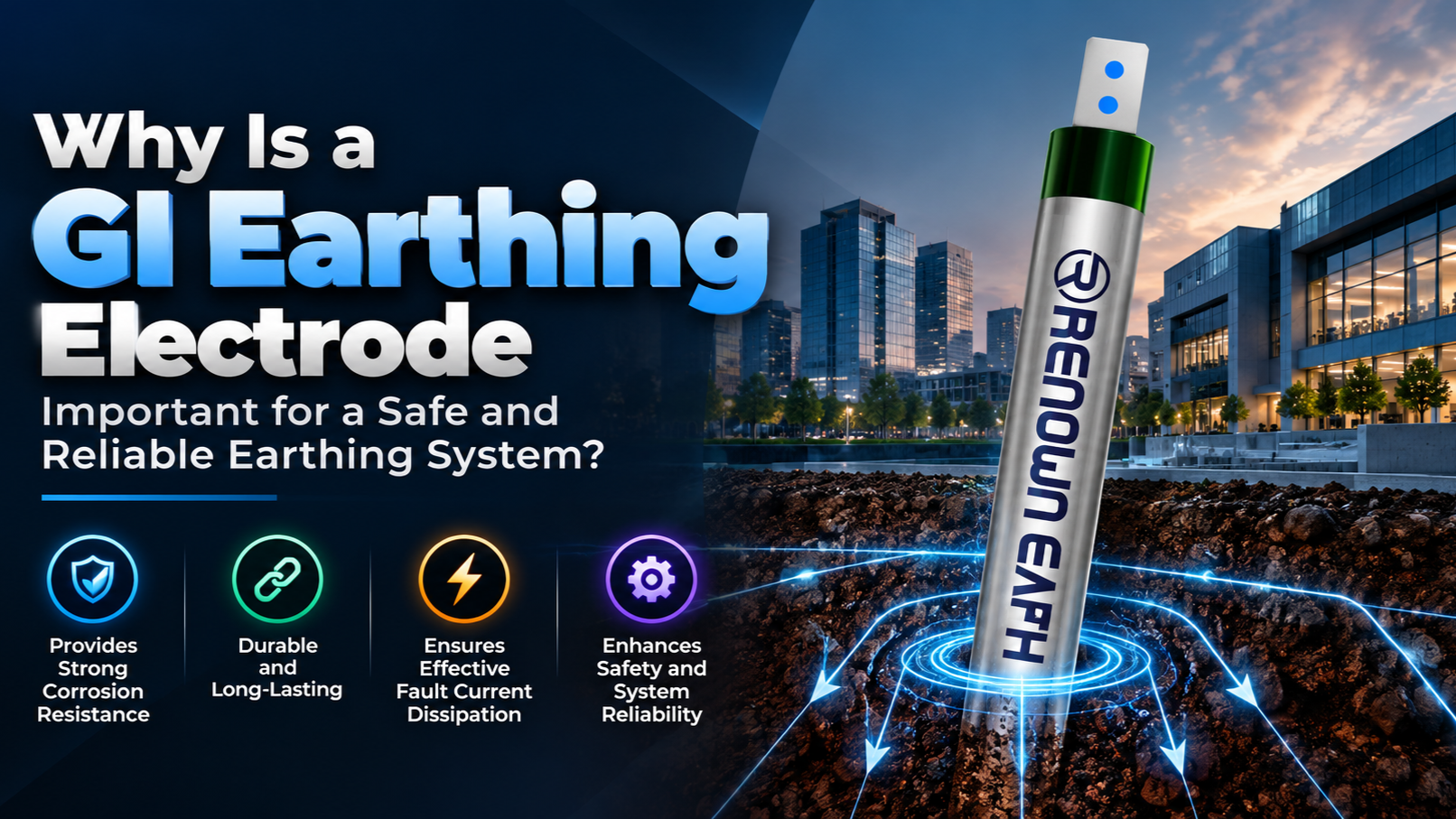
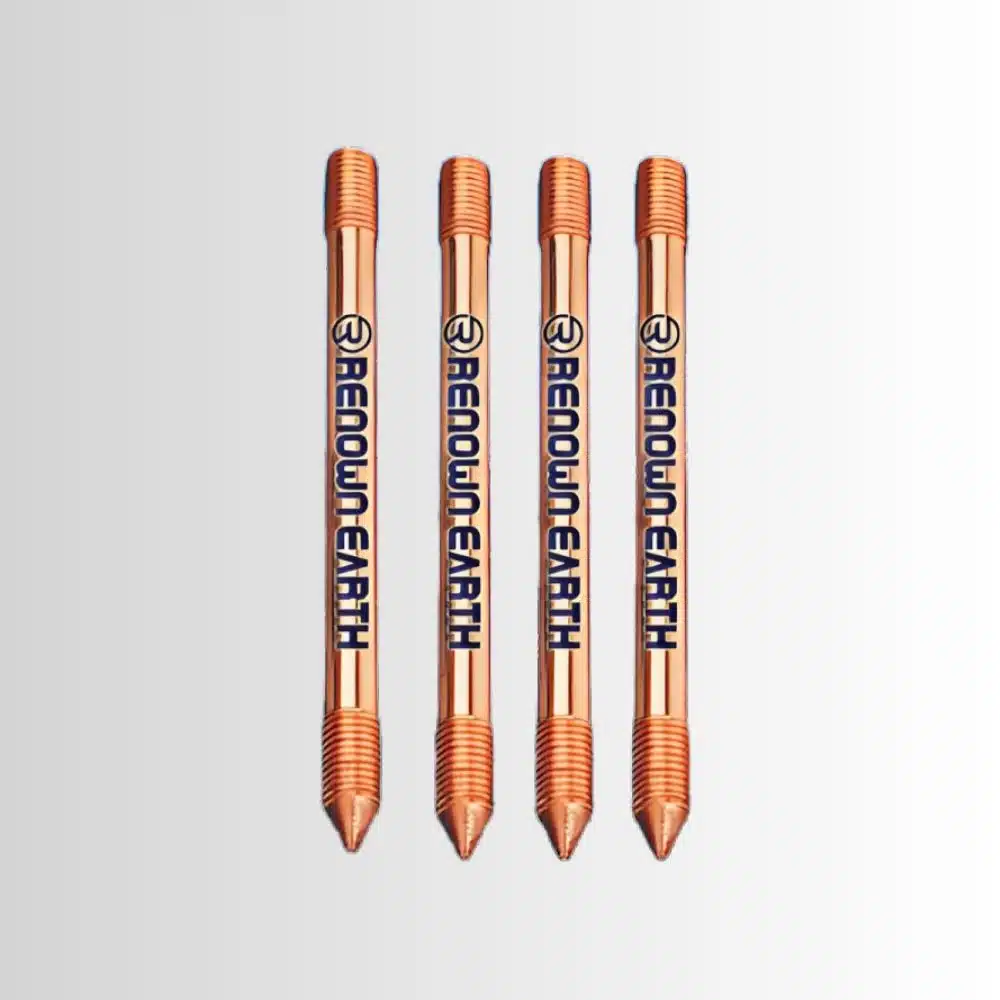
Renown Power offers earthing solutions, including copper-bonded earthing products, that can be considered for suitable grounding applications. The correct electrode and installation method should be selected according to the project's engineering design.
Periodic inspection and testing help identify corrosion, loose connections, and other issues that may affect system performance.
Why Consider Renown Power for Earthing and Lightning Protection?
Reliable lightning protection begins with selecting suitable components and following the correct installation practices. Renown Power focuses on earthing and lightning protection solutions for different electrical and infrastructure requirements.
Whether you are planning protection for a commercial property, industrial facility, or solar installation, it is important to consider the complete system rather than focusing only on the lightning arrester.
Renown Power supports customers looking for earthing and lightning protection products designed to meet different project needs. Combining appropriate lightning protection equipment with a properly engineered earthing arrangement helps support electrical safety and infrastructure reliability.
Conclusion
Choosing the right ESE type lightning arrester requires an understanding of building structure, lightning risk, protection requirements, installation conditions, and earthing compatibility. A properly designed system can help reduce the risks associated with direct lightning strikes and support the safety of buildings and electrical infrastructure.
For reliable results, every component should be selected according to applicable standards and professional engineering recommendations. Renown Power offers earthing and lightning protection solutions to support projects requiring dependable electrical safety arrangements.
Frequently Asked Questions (FAQs)
1. What does ESE stand for in a lightning arrester?
ESE stands for Early Streamer Emission. It refers to a lightning protection technology designed to initiate an upward streamer earlier under specified test conditions.
2. How do I choose the right ESE type lightning arrester?
Consider building height, structure, lightning risk assessment, protection level, applicable standards, and earthing requirements before selecting an ESE lightning arrester.
3. Can an ESE lightning arrester be installed on an industrial building?
Yes, it may be considered for industrial buildings, factories, and warehouses, provided the system is suitable for the site's risk assessment and engineering requirements.
4. Is an earthing system required with an ESE lightning arrester?
Yes. A suitable earthing system and properly installed down conductors are essential parts of a complete lightning protection arrangement.
5. How often should an ESE lightning protection system be inspected?
The system should be inspected periodically and after significant lightning events, modifications, or damage. Inspection frequency should follow applicable standards and maintenance recommendations.