
Electrical safety is one of the most important considerations in residential, commercial, and industrial installations. A properly designed earthing system helps protect people, electrical equipment, and infrastructure from electrical faults. One of the essential components used in many grounding systems is a pure copper earthing electrode.
Copper is widely preferred for earthing applications because of its excellent electrical conductivity, good corrosion resistance, and durability. But why is pure copper used in earthing electrodes, and how does it contribute to electrical safety? Let's explore its benefits, applications, and importance in modern electrical installations.
What Is a Pure Copper Earthing Electrode?
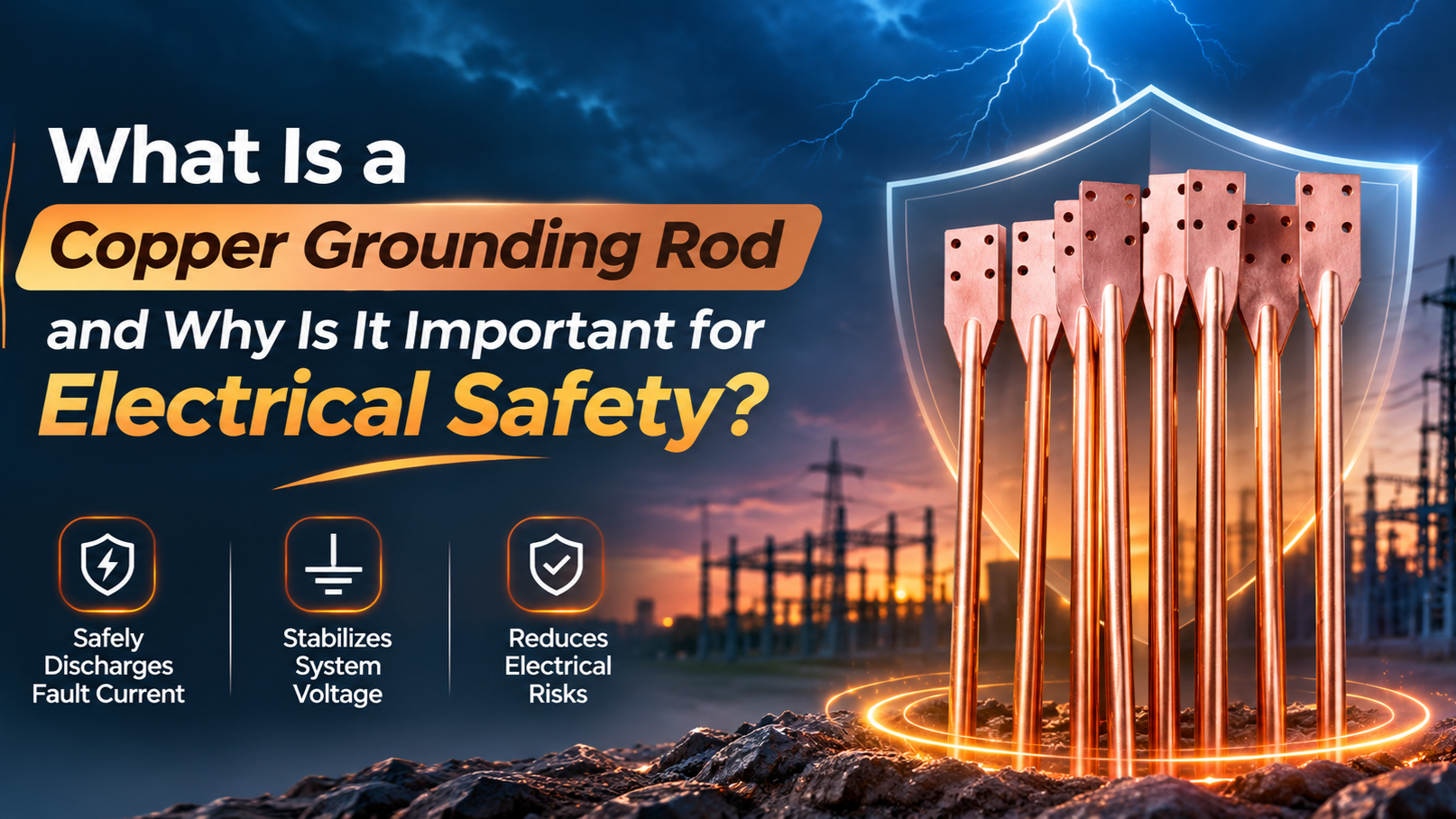
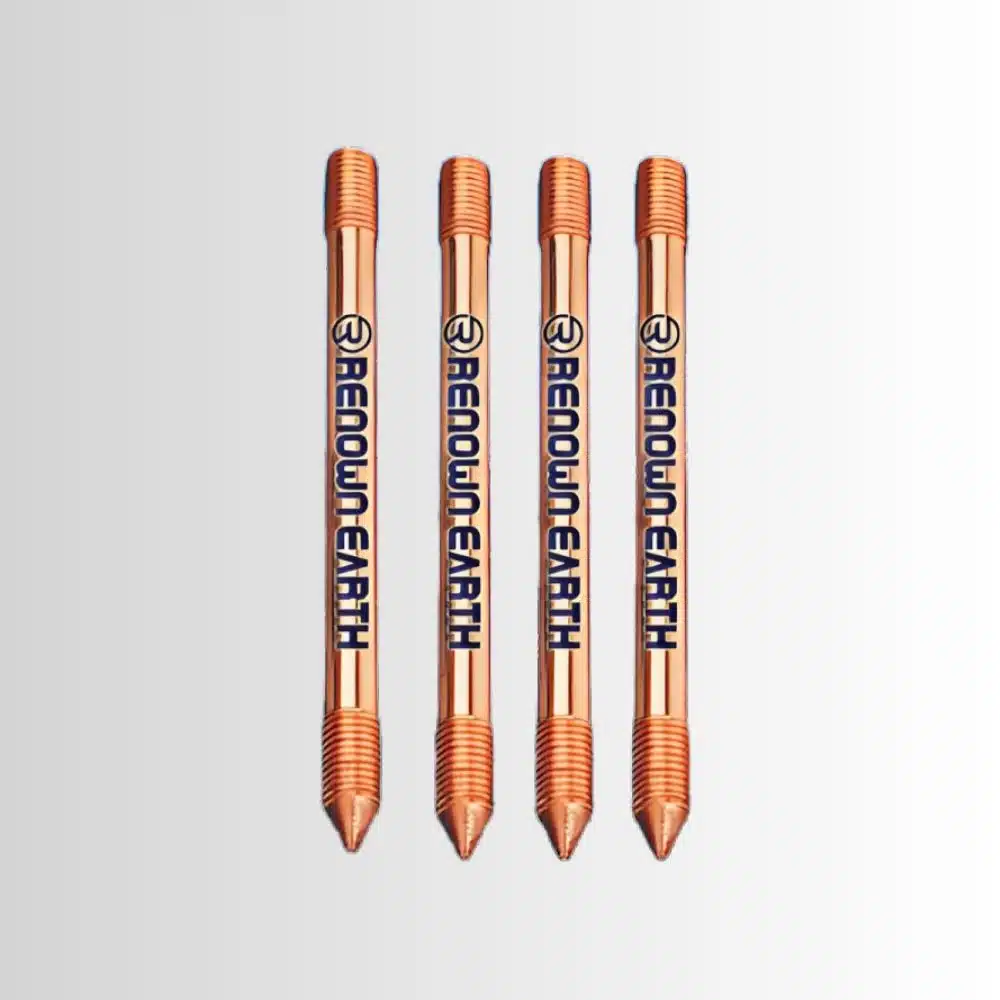
A pure copper earthing electrode is a conductive component installed underground to establish an electrical connection between an electrical installation and the earth. It provides a path for fault current to flow into the ground, supporting the effective operation of protective devices.
Pure copper is commonly selected for earthing applications because it offers excellent electrical conductivity and good resistance to corrosion. These properties make it suitable for different environmental conditions, including underground installations.
The performance of an earthing electrode depends on several factors, such as material quality, dimensions, soil resistivity, installation depth, and the overall grounding system design.
Why Is Pure Copper Used in Earthing Electrodes?
Copper has several properties that make it a suitable material for electrical grounding applications.
1. Excellent Electrical Conductivity
One of the biggest advantages of copper is its excellent electrical conductivity. It helps provide an efficient conductive path for fault current, making it a popular material for electrical grounding systems.
2. Good Corrosion Resistance
Earthing electrodes are installed underground, where they may be exposed to moisture and different soil conditions. Pure copper offers good corrosion resistance, which can contribute to long-term performance when the electrode is correctly selected and installed.
3. Long-Term Durability
A quality pure copper earthing electrode can provide dependable service under suitable installation conditions. Its material properties make it a practical choice for electrical installations that require durable grounding components.
4. Suitable for Multiple Applications
Pure copper electrodes can be incorporated into residential, commercial, industrial, and infrastructure grounding systems. Their versatility makes them useful for different electrical projects.
Where Are Pure Copper Earthing Electrodes Used?
Pure copper earthing electrodes are used in various applications where reliable electrical grounding is required.
Residential Buildings: To support the safety of household electrical installations.
Commercial Complexes: For offices, hotels, shopping centres, and commercial infrastructure.
Industrial Facilities: For factories, manufacturing units, and industrial electrical equipment.
Electrical Substations: As part of grounding networks designed for electrical safety.
Telecommunication Systems: For grounding communication equipment and related infrastructure.
Solar Power Installations: As a component of properly designed grounding systems for solar projects.
The appropriate electrode should always be selected according to project requirements and relevant electrical standards.
What Is the Difference Between Pure Copper and Copper-Bonded Earthing Electrodes?
Pure copper and copper-bonded earthing electrodes are both used in electrical grounding systems, but their construction is different.
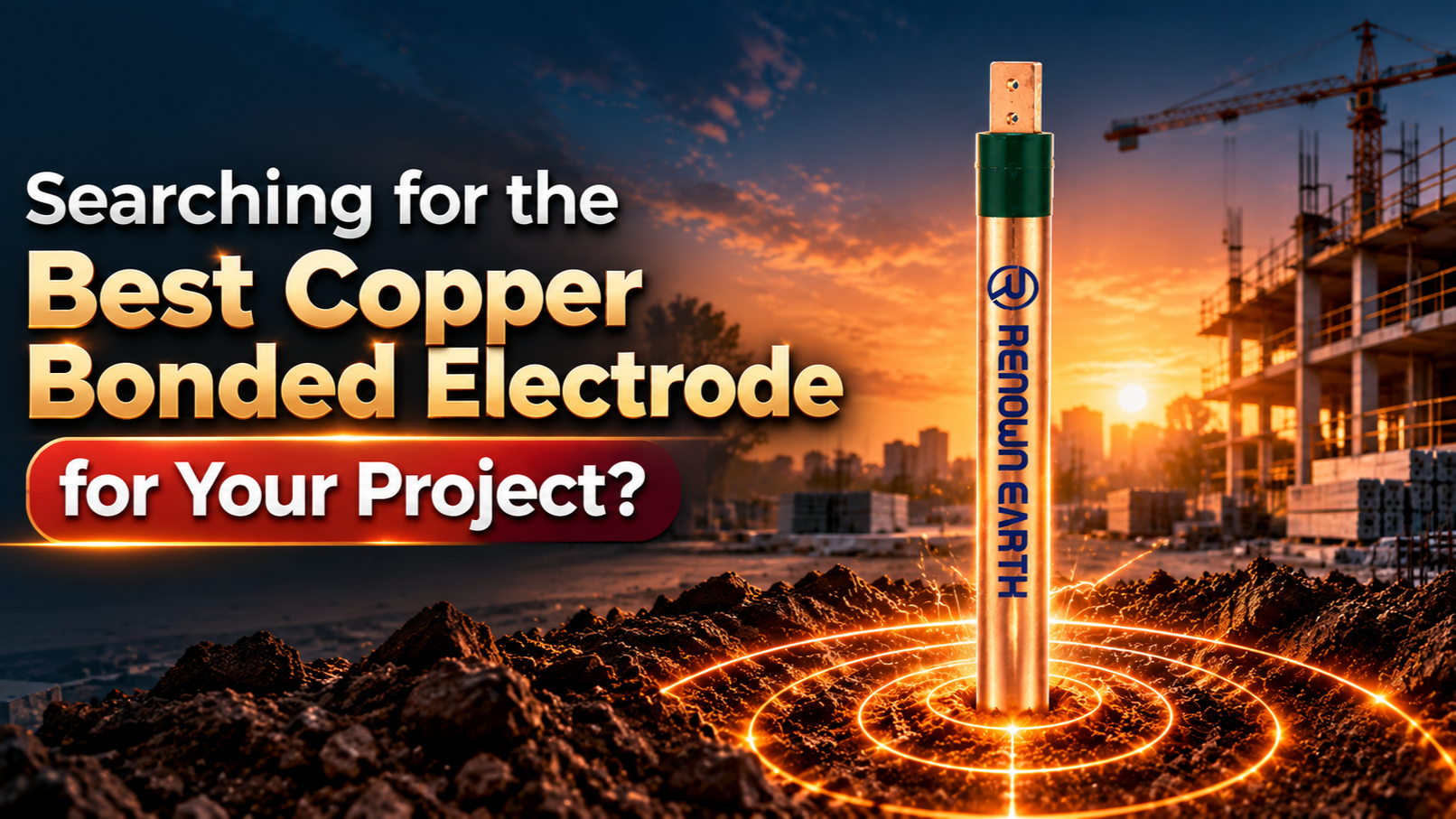
A pure copper electrode is manufactured primarily from copper throughout its structure. In comparison, a copper-bonded earthing rod generally has a steel core with a copper layer bonded to its surface.
Pure copper provides excellent conductivity and good corrosion resistance. Copper-bonded rods combine the mechanical strength of a steel core with the conductive properties of copper.
Both options have their own advantages. The right selection depends on soil conditions, installation requirements, mechanical strength, project specifications, and budget.
How Do You Choose the Right Pure Copper Earthing Electrode?
Choosing the right electrode is essential for achieving reliable grounding performance. Before purchasing a pure copper earthing electrode, consider these important factors:
Material Quality: Check copper purity and product specifications to ensure the electrode meets the required quality standards.
Electrode Dimensions: Consider the required length, diameter, and dimensions according to the grounding design.
Soil Conditions: Soil resistivity, moisture, and chemical composition can influence earthing performance.
Installation Requirements: Select an electrode compatible with the installation method and project requirements.
Applicable Standards: Ensure the electrode and its installation comply with relevant electrical standards and technical specifications.
Professional guidance is recommended to determine the most appropriate electrode for a particular application.
Why Choose Renown Power for Earthing Solutions?
Are you looking for dependable earthing and lightning protection products for your electrical project? Renown Power focuses on providing earthing and lightning protection solutions for residential, commercial, industrial, and infrastructure applications.
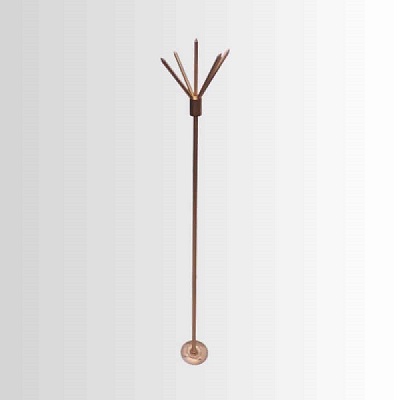
Selecting quality earthing components is important for developing a reliable electrical grounding system. Renown Power aims to support different project requirements with suitable earthing products and electrical protection solutions.
Whether you need grounding products for industrial facilities, commercial buildings, or renewable energy installations, choosing the right products and ensuring professional installation can help support long-term electrical safety.
Explore the complete range of earthing and lightning protection solutions at https://www.renownpower.com/.
Conclusion
A pure copper earthing electrode plays an important role in many electrical grounding systems. Its excellent electrical conductivity, corrosion resistance, and durability make it a suitable choice for various electrical applications.
Understanding electrode quality, dimensions, soil conditions, and installation requirements can help businesses and electrical professionals make better product selections.
Renown Power offers earthing and lightning protection solutions designed to support different electrical requirements. Choose the right earthing products and build a reliable electrical protection system with Renown Power.
Frequently Asked Questions (FAQs)
1. Why is a pure copper earthing electrode preferred for electrical grounding?
Pure copper earthing electrodes are preferred because copper offers excellent electrical conductivity, good corrosion resistance, and durability for various grounding applications.
2. What is the main function of a pure copper earthing electrode?
Its main function is to establish a conductive connection between an electrical installation and the earth, providing a path for fault current as part of a properly designed grounding system.
3. Is a pure copper earthing electrode suitable for industrial applications?
Yes. Pure copper earthing electrodes can be used in industrial facilities, manufacturing plants, electrical substations, and other installations where suitable grounding systems are required.
4. How is a pure copper earthing electrode different from a copper-bonded rod?
A pure copper electrode is made primarily of copper throughout, whereas a copper-bonded rod generally consists of a steel core covered with a bonded copper layer.
5. Where can I find reliable earthing and lightning protection solutions?
You can explore earthing and lightning protection products from Renown Power at https://www.renownpower.com/ for different electrical installation requirements.