
Introduction
Electrical safety is an important consideration in residential, commercial, and industrial installations. A reliable grounding system helps protect people, electrical equipment, and infrastructure from potential electrical hazards. One of the key components used in these systems is a copper grounding rod.
Copper grounding rods are widely used because copper offers excellent electrical conductivity, good corrosion resistance, and long-term durability. They help establish an electrical connection between an installation and the earth, providing a path for fault current to dissipate safely when the grounding system is properly designed.
Renown Power offers earthing and lightning protection solutions for different electrical and infrastructure requirements. Understanding how copper grounding rods work and where they are used can help you choose suitable grounding products for your project.
What Is a Copper Grounding Rod?
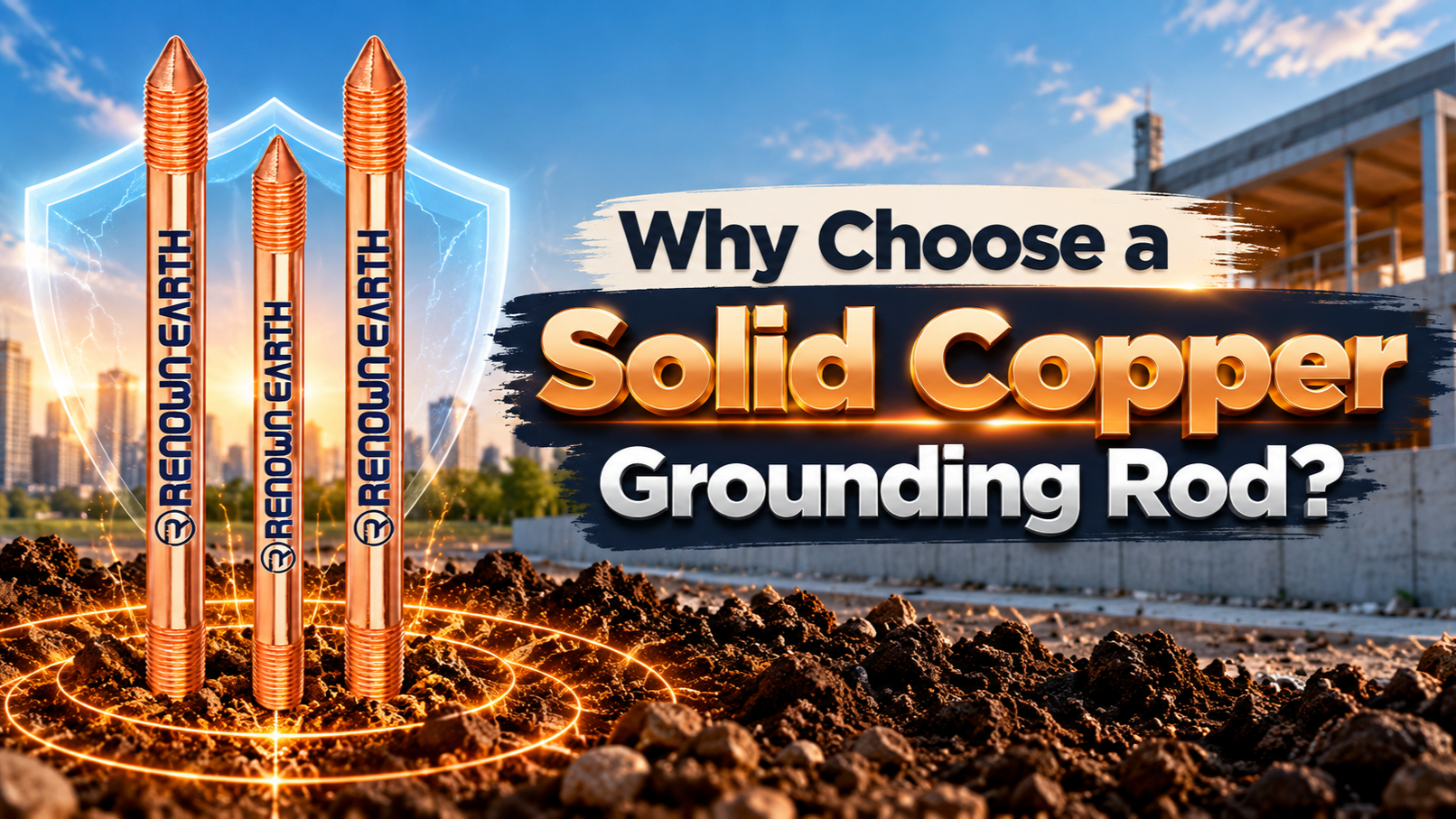
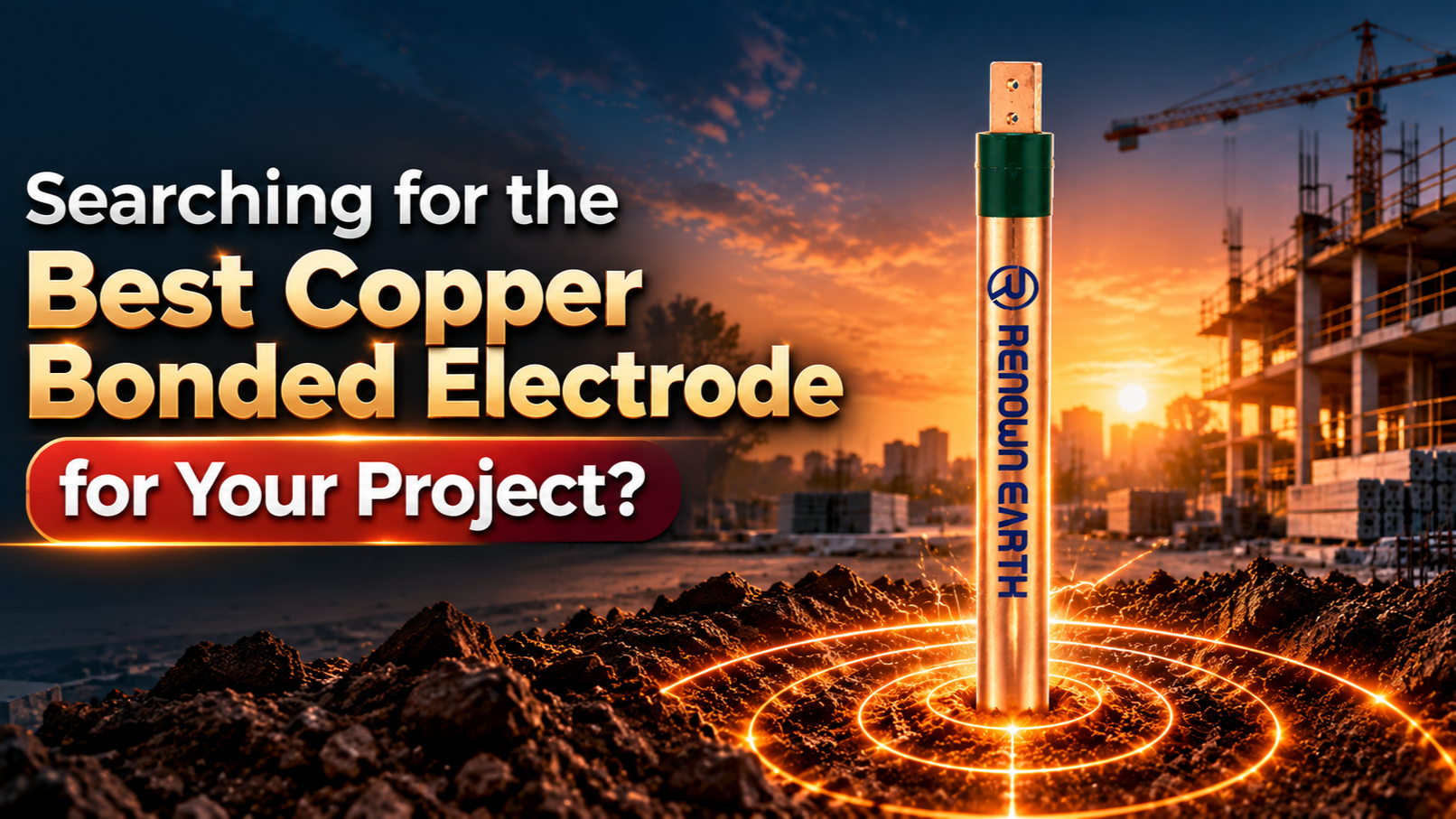
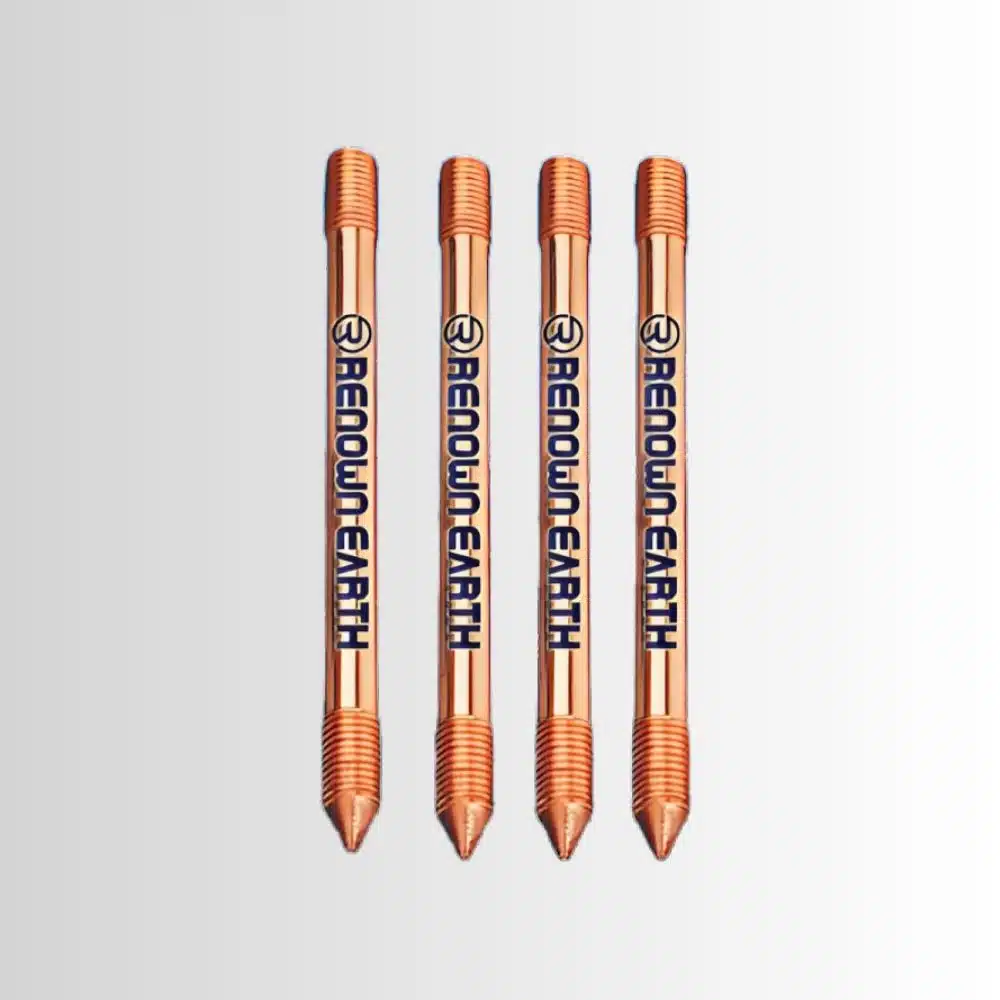
A copper grounding rod is an electrode installed in the soil to connect an electrical grounding system with the earth. It helps transfer electrical fault current into the ground and supports the safe operation of electrical installations.
Copper is a preferred material for many grounding applications because of its ability to conduct electricity efficiently. Its corrosion-resistant properties also make it suitable for underground installations.
These rods are commonly used in homes, factories, commercial buildings, solar power systems, and electrical substations.
How Does a Copper Grounding Rod Work?
A copper grounding rod works by providing a conductive connection between the electrical grounding network and the surrounding soil. When an electrical fault occurs, the grounding system provides a path for fault current to flow toward the earth.
This helps protective devices, such as circuit breakers, operate as intended and reduces the risk of electrical shock and equipment damage.
The effectiveness of the grounding arrangement depends on soil resistivity, electrode dimensions, installation depth, conductor connections, and the overall grounding design.
Why Should You Choose a Copper Grounding Rod?
Copper grounding rods offer several advantages that make them suitable for different electrical applications.
1. Excellent Electrical Conductivity
Copper has high electrical conductivity, making it an effective material for grounding electrodes. It supports the movement of electrical current through the grounding system.
2. Good Corrosion Resistance
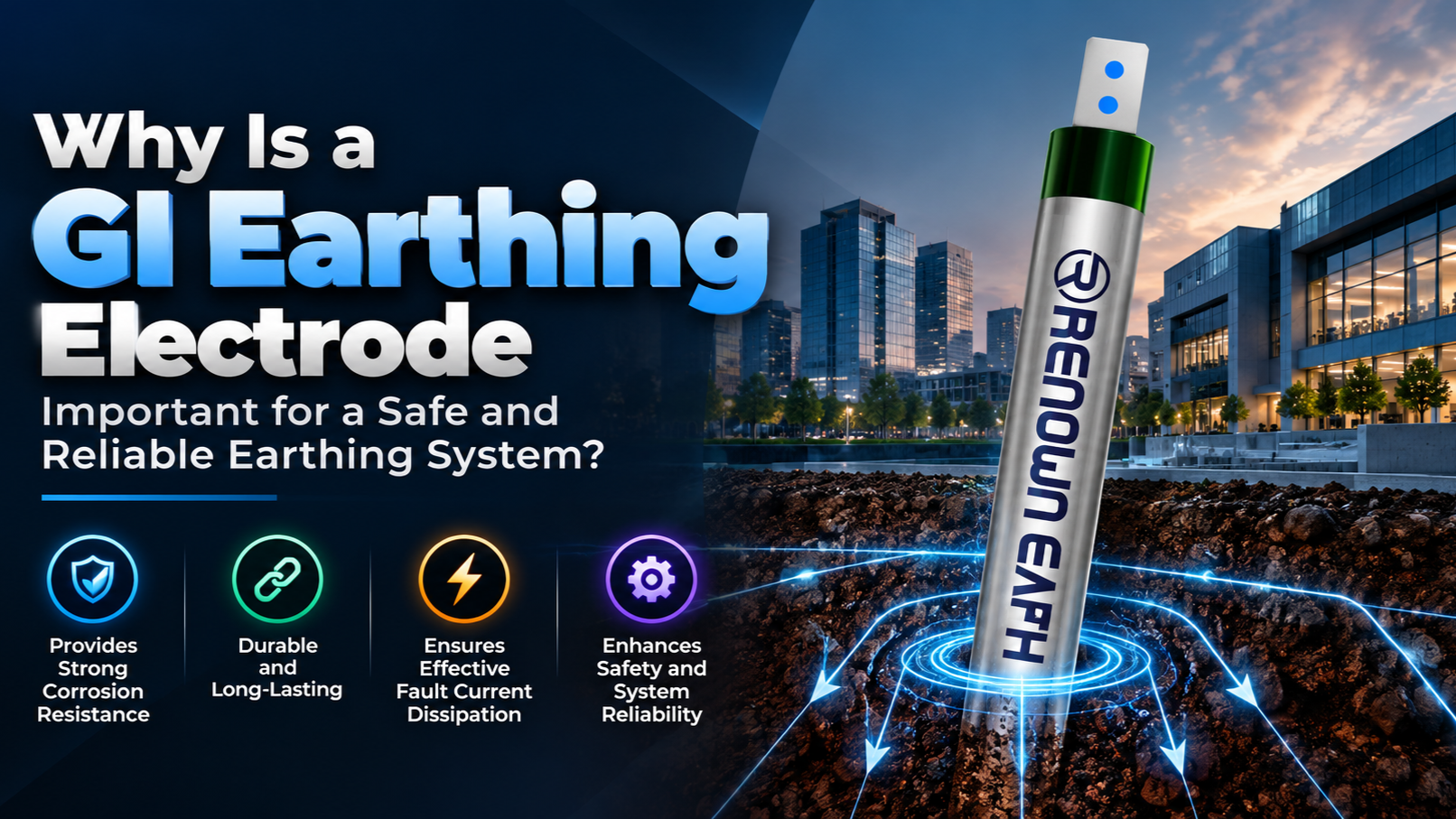
Since grounding rods remain underground, they are exposed to moisture and different soil conditions. Copper offers good corrosion resistance in many environments, supporting long-term performance.
3. Durable Construction
Copper grounding rods are designed for underground applications and can provide dependable service when selected and installed according to project requirements.
4. Wide Range of Applications
They are suitable for residential, commercial, industrial, telecommunications, and renewable energy installations.
5. Supports Electrical Protection
A properly designed grounding system helps reduce electrical hazards and supports the safe operation of electrical equipment.
Where Are Copper Grounding Rods Commonly Used?
Copper grounding rods are used in several types of installations where electrical grounding is essential.
Residential Buildings: Help establish grounding arrangements for household electrical systems.
Commercial Properties: Used in offices, hospitals, shopping malls, and other commercial facilities.
Industrial Units: Support grounding systems for machinery, electrical panels, and industrial equipment.
Solar Power Plants: Can be incorporated into solar installation grounding and bonding systems.
Telecommunication Towers: Help provide grounding for communication infrastructure and related equipment.
Electrical Substations: Used as part of engineered grounding networks designed to manage fault currents.
How Can You Select the Right Copper Grounding Rod?
Choosing the right copper grounding rod requires evaluating the technical requirements of your installation. Consider the following factors:
Material Quality: Check the material specifications and product construction.
Rod Length and Diameter: Select suitable dimensions according to the grounding design.
Soil Resistivity: Test soil conditions to understand their effect on grounding performance.
Corrosion Resistance: Consider the soil environment and potential corrosion risks.
Installation Requirements: Ensure proper electrode placement and secure electrical connections.
Safety Standards: Follow applicable electrical codes and project specifications.
Consulting an experienced electrical professional can help you select an appropriate grounding solution.
Why Choose Renown Power for Earthing Solutions?
Renown Power focuses on earthing and lightning protection products designed for different electrical applications. A reliable earthing system requires suitable products, proper installation, and attention to technical specifications.
Whether you are planning an industrial project, commercial building, residential installation, or solar power system, selecting appropriate grounding components is essential. Renown Power provides solutions to support different earthing and electrical protection requirements.
Explore Renown Power to learn more about copper grounding rods and other earthing products for your project.
Conclusion
A copper grounding rod plays an important role in establishing a reliable electrical grounding system. Its excellent conductivity, corrosion resistance, and versatility make it a popular choice for various applications.
However, the performance of a grounding system depends on proper product selection, soil conditions, and professional installation. By choosing suitable grounding components, you can support electrical safety and long-term system reliability.
Renown Power offers earthing and lightning protection solutions to help meet different project requirements.
Explore quality copper grounding rods and earthing solutions with Renown Power: https://www.renownpower.com/
Frequently Asked Questions (FAQs)
1. What is the main purpose of a copper grounding rod?
Its main purpose is to connect an electrical grounding system to the earth and provide a path for fault current to dissipate.
2. Is a copper grounding rod suitable for industrial applications?
Yes. Copper grounding rods are commonly used in industrial facilities as part of properly designed electrical grounding systems.
3. How long does a copper grounding rod last?
Its service life depends on material quality, soil chemistry, moisture, installation conditions, and maintenance.
4. Can copper grounding rods be used in solar power systems?
Yes. They can be used as part of solar installation grounding and bonding systems when specified by the electrical design.
5. How do I know which copper grounding rod is right for my project?
Consider soil resistivity, rod dimensions, material specifications, and project requirements. Consult a qualified electrical professional for the correct selection.