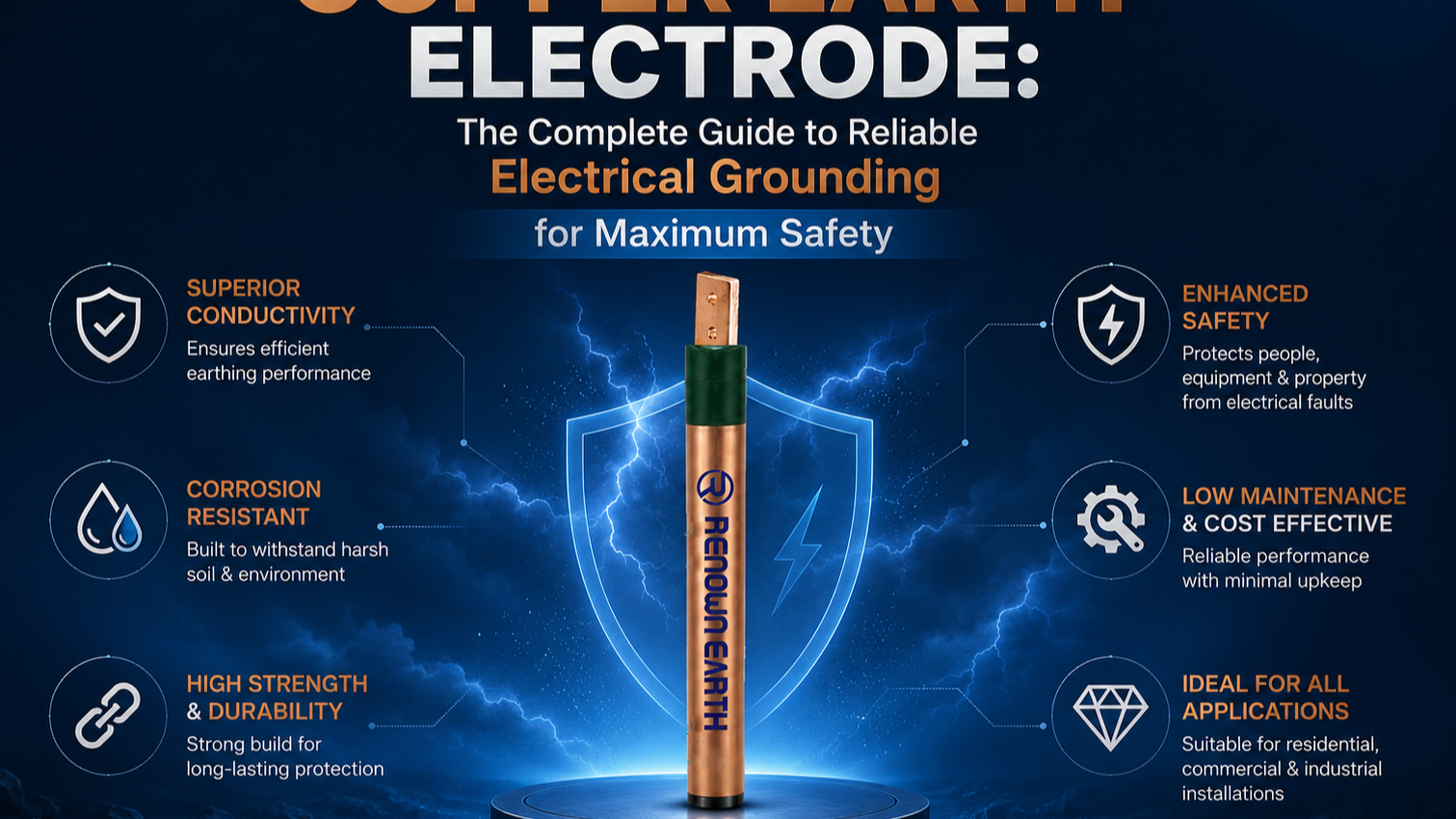
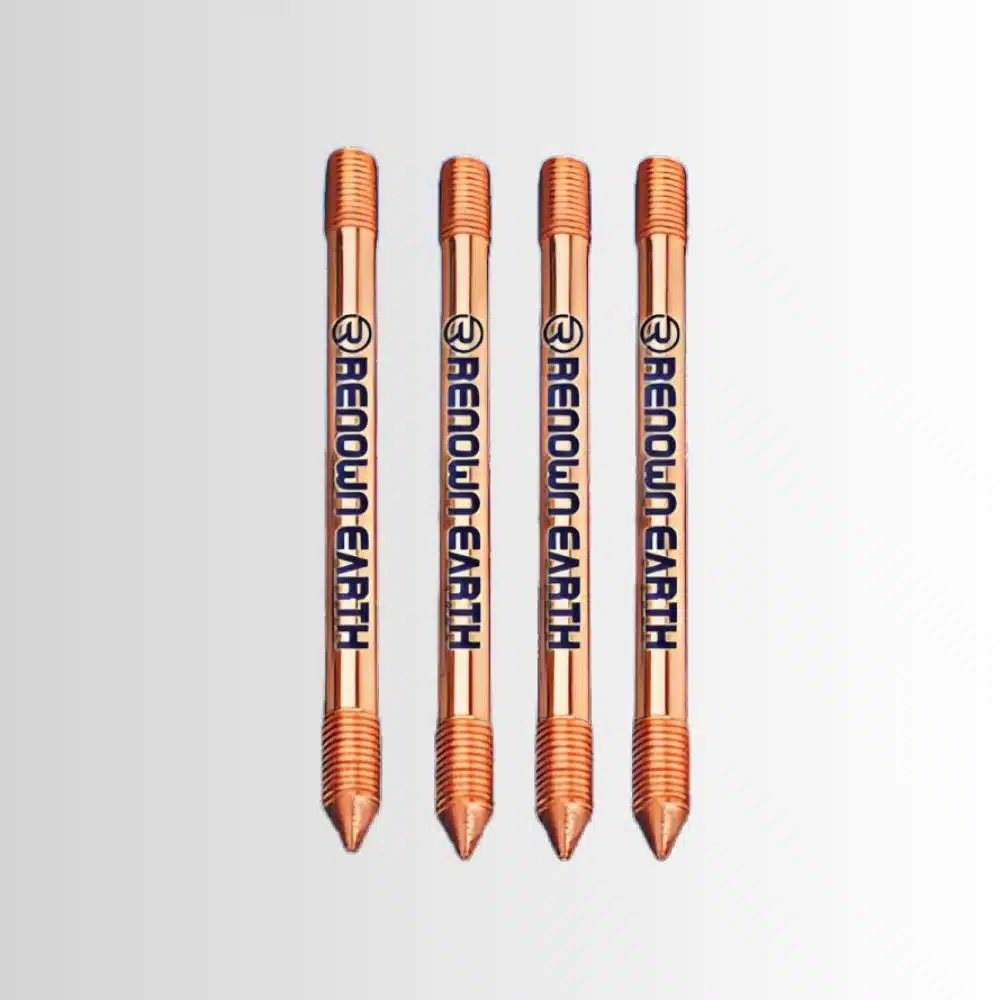

Electrical grounding is an essential part of electrical safety systems. It helps provide a controlled path for unwanted electrical current to flow safely into the earth, reducing risks to people, equipment, and electrical infrastructure. Among the commonly used grounding electrodes, the copper bonded earthing rod is widely used because it combines the strength of steel with the electrical and corrosion-resistant properties of copper.
Understanding how copper bonded earthing rod works can help contractors, electrical professionals, and businesses choose an appropriate grounding solution for different applications. Renown Power offers earthing and electrical safety solutions for residential, commercial, industrial, and renewable energy requirements.
What Is a Copper Bonded Earthing Rod?
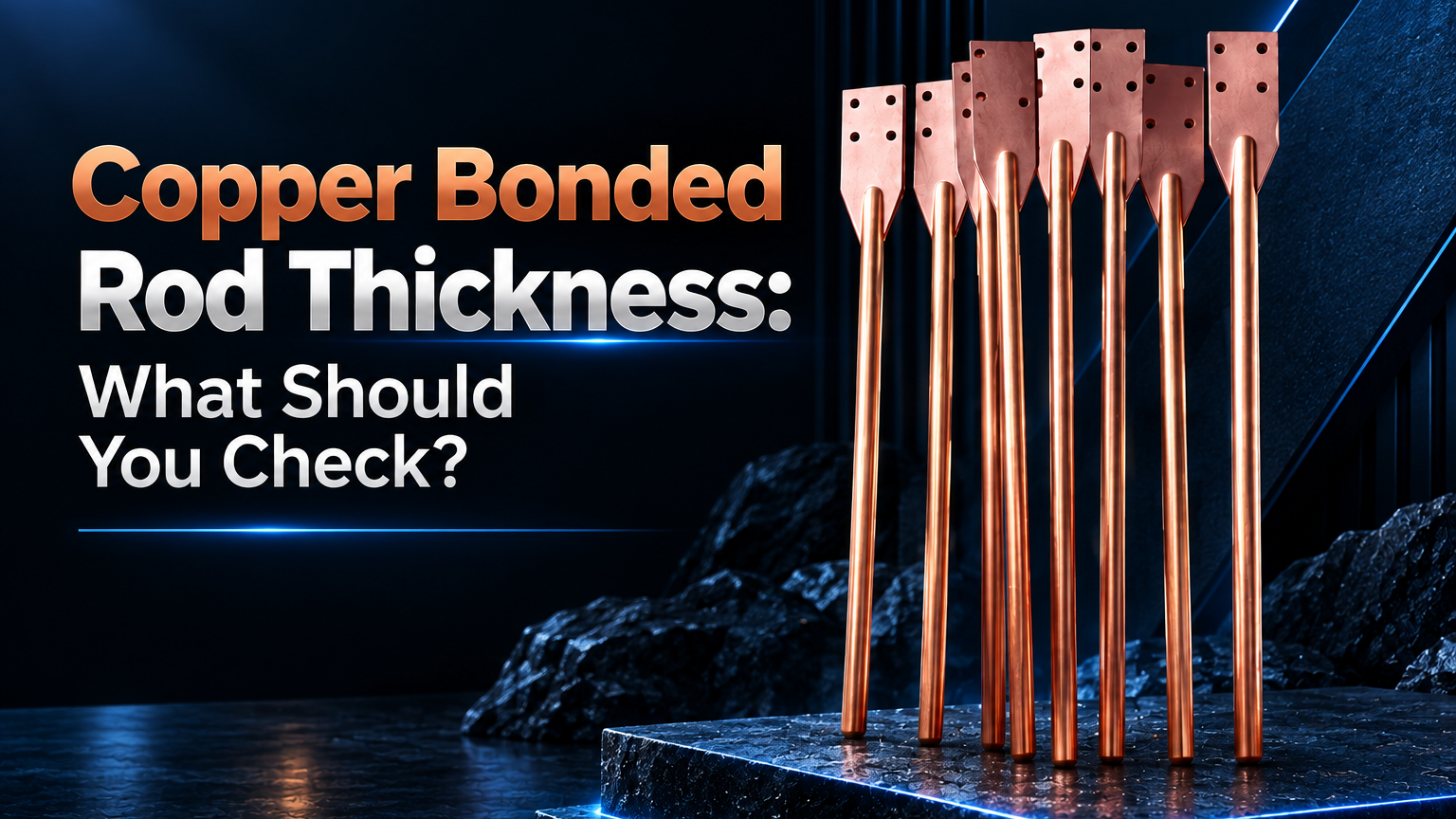
A copper bonded earthing rod is a grounding electrode consisting of a steel core with a layer of copper permanently bonded to its surface. The steel core provides mechanical strength, while the copper layer provides good electrical conductivity and helps protect the electrode from corrosion.
The rod is installed into the ground and connected to the electrical installation through a suitable grounding conductor. Once installed, it becomes an important part of the overall earthing system.
How Does a Copper Bonded Earthing Rod Work?
The working principle is based on providing a reliable electrical path between an electrical system and the earth. Under normal operating conditions, the grounding electrode does not carry the system's regular operating current.
If an electrical fault, leakage current, or surge occurs, the grounding system provides a path through the grounding conductor to the earthing electrode. The copper bonded rod then transfers the unwanted current into the surrounding soil.
The effectiveness of this process depends on the complete grounding system, including soil resistivity, electrode dimensions, installation depth, conductor size, connections, and overall system design.
Role of Copper in the Earthing Rod
Copper plays an important role in the performance of the electrode. It has good electrical conductivity, allowing the electrode to provide an effective connection with the grounding system.
The copper layer also provides protection against corrosion in many soil environments. This can help support the long-term durability of the electrode when it is properly manufactured, installed, and maintained.
The copper is bonded to the steel core rather than simply placed around it. This construction helps combine electrical performance with the mechanical strength required during installation.
Benefits of Copper Bonded Earthing Rods
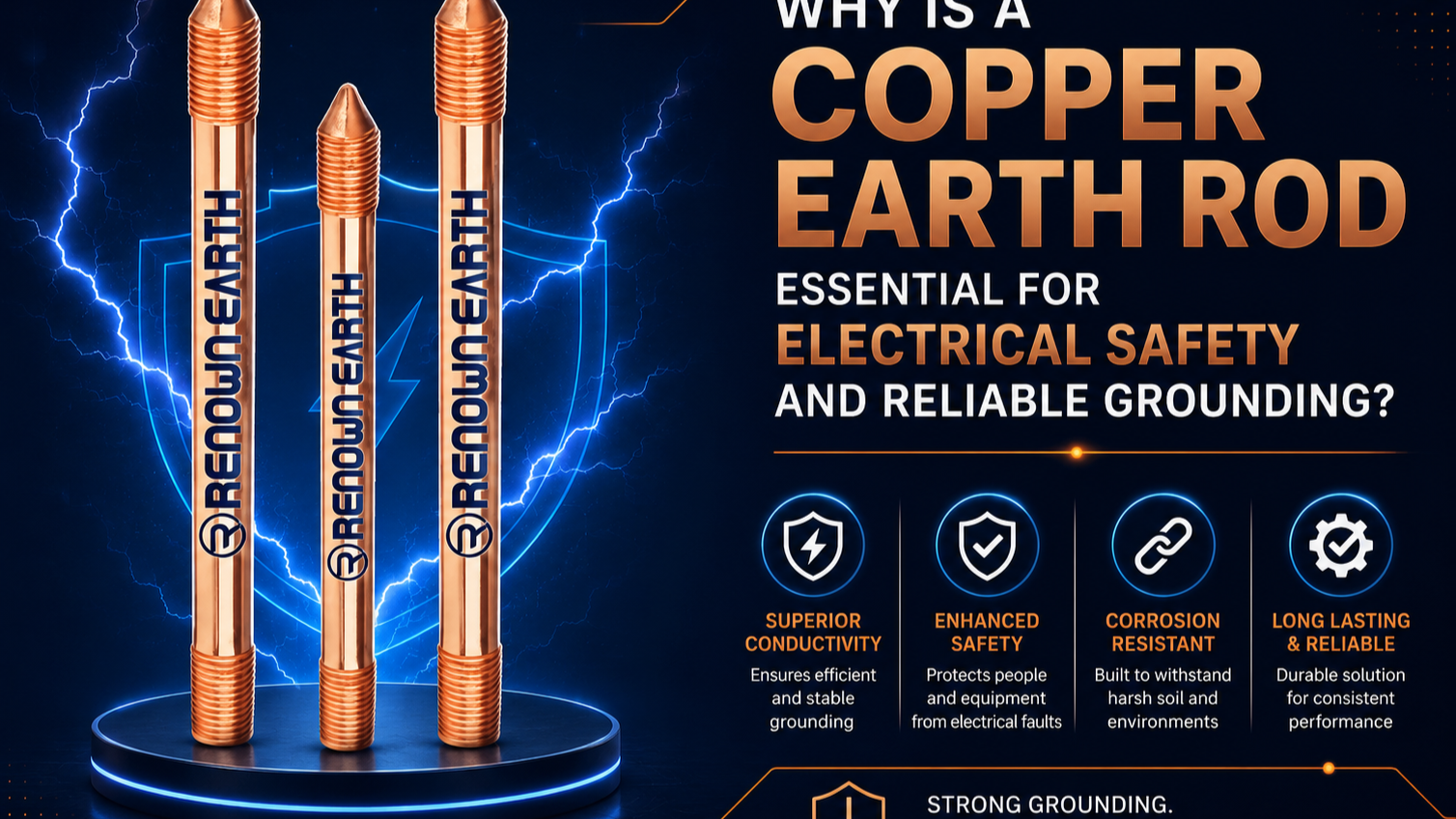
Copper bonded earthing rods offer several advantages for grounding applications:
Good Electrical Conductivity
The copper surface provides a conductive interface between the grounding electrode and the surrounding soil.
Mechanical Strength
The steel core gives the rod the strength needed to withstand driving and installation forces.
Corrosion Resistance
The copper coating can provide protection against corrosion, helping support longer service life under suitable soil conditions.
Versatile Applications
Copper bonded rods can be used in various grounding installations, including buildings, industrial facilities, telecommunications systems, solar installations, and electrical infrastructure.
Long-Term Performance
When the correct rod is selected and the grounding system is properly designed and installed, copper bonded electrodes can provide dependable grounding performance over time.
Where Are Copper Bonded Earthing Rods Used?
Copper bonded earthing rods are suitable for a wide range of applications. They may be used in residential buildings, commercial properties, factories, telecommunications facilities, data centers, electrical substations, solar power systems, and other infrastructure projects.
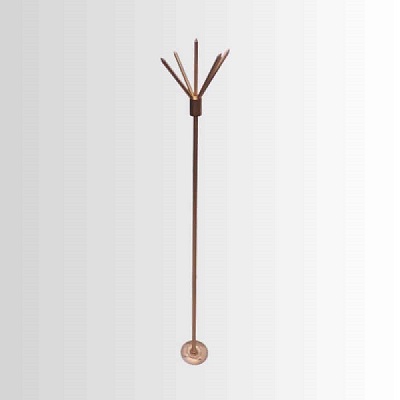
They can also form part of lightning protection and surge protection systems where appropriate. The exact grounding arrangement should be determined according to the electrical design, soil conditions, and applicable standards.
Factors That Affect Earthing Performance
Installing a copper bonded earthing rod is only one part of creating an effective grounding system. Soil resistivity is an important factor because different types of soil offer different levels of electrical resistance.
Moisture content, soil composition, electrode depth, electrode spacing, conductor connections, and installation quality can also influence grounding performance. For this reason, proper site assessment and professional installation are important.
Regular inspection and testing can help determine whether the grounding system continues to perform according to its design requirements.
Why Choose Renown Power?
Renown Power provides earthing solutions designed for different electrical and grounding requirements. Its range includes copper-based earthing products that can be considered for residential, commercial, industrial, and renewable energy applications.
When selecting a copper bonded earthing rod, factors such as rod size, copper bonding quality, mechanical strength, soil conditions, and project requirements should be carefully evaluated. Choosing the right product can help create a reliable and durable grounding installation.
Conclusion
Knowing how copper bonded earthing rod works helps explain why it is an important component of many electrical grounding systems. The steel core provides mechanical strength, while the bonded copper layer supports electrical conductivity and corrosion resistance. When connected correctly and installed as part of a properly designed earthing system, the rod provides a pathway for unwanted electrical current to dissipate into the earth.
For electrical, industrial, telecommunications, and solar applications, selecting the appropriate grounding electrode is essential. Renown Power offers earthing solutions that can support different grounding requirements and contribute to safe and reliable electrical installations.
For reliable earthing solutions, explore Renown Power: https://www.renownpower.com/